Perspectives on BC’s Most Iconic Landscapes
British Columbia doesn’t do “average.” It does towering peaks, glacier‑fed lakes, and trails that make even seasoned hikers pause mid‑switchback to whisper, “Okay, BC… calm down.” Nowhere does this alpine drama shine brighter than the corridor between Whistler and Garibaldi Provincial Park.
Whether you’re here to tackle the legendary ridges or you’re a traveler seeking mountain charm without the 1,200-meter vertical climb, this region offers a masterclass in scale.
The Icons: From Grand Vistas to Quiet Shores
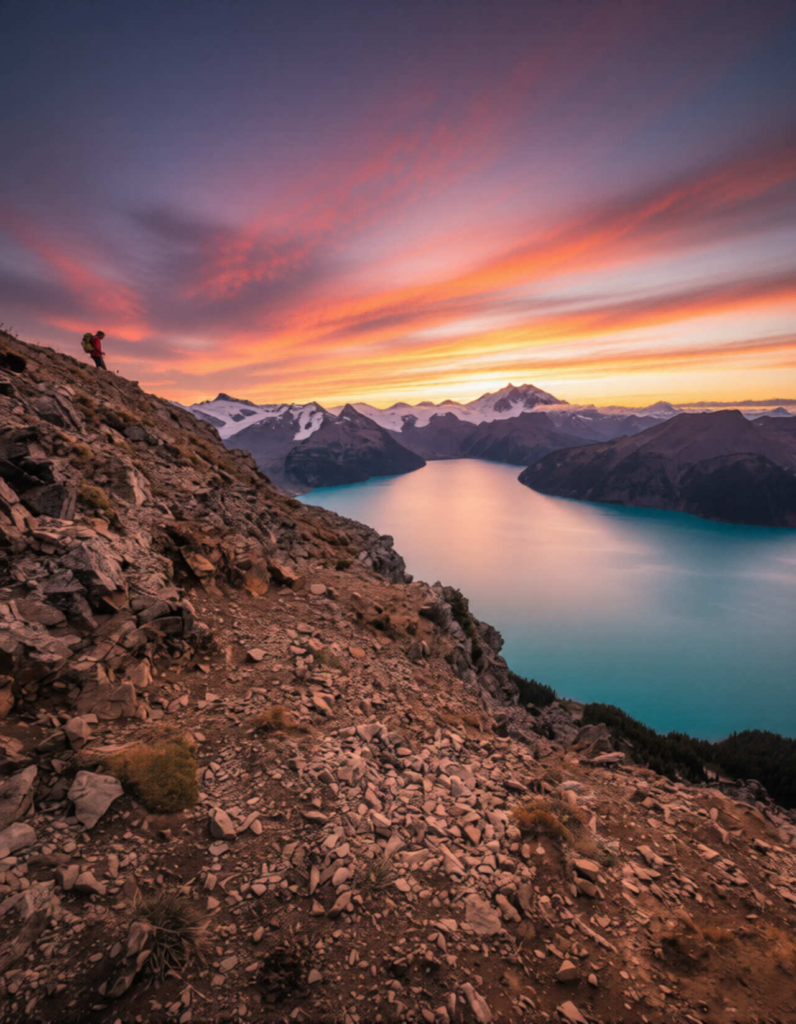
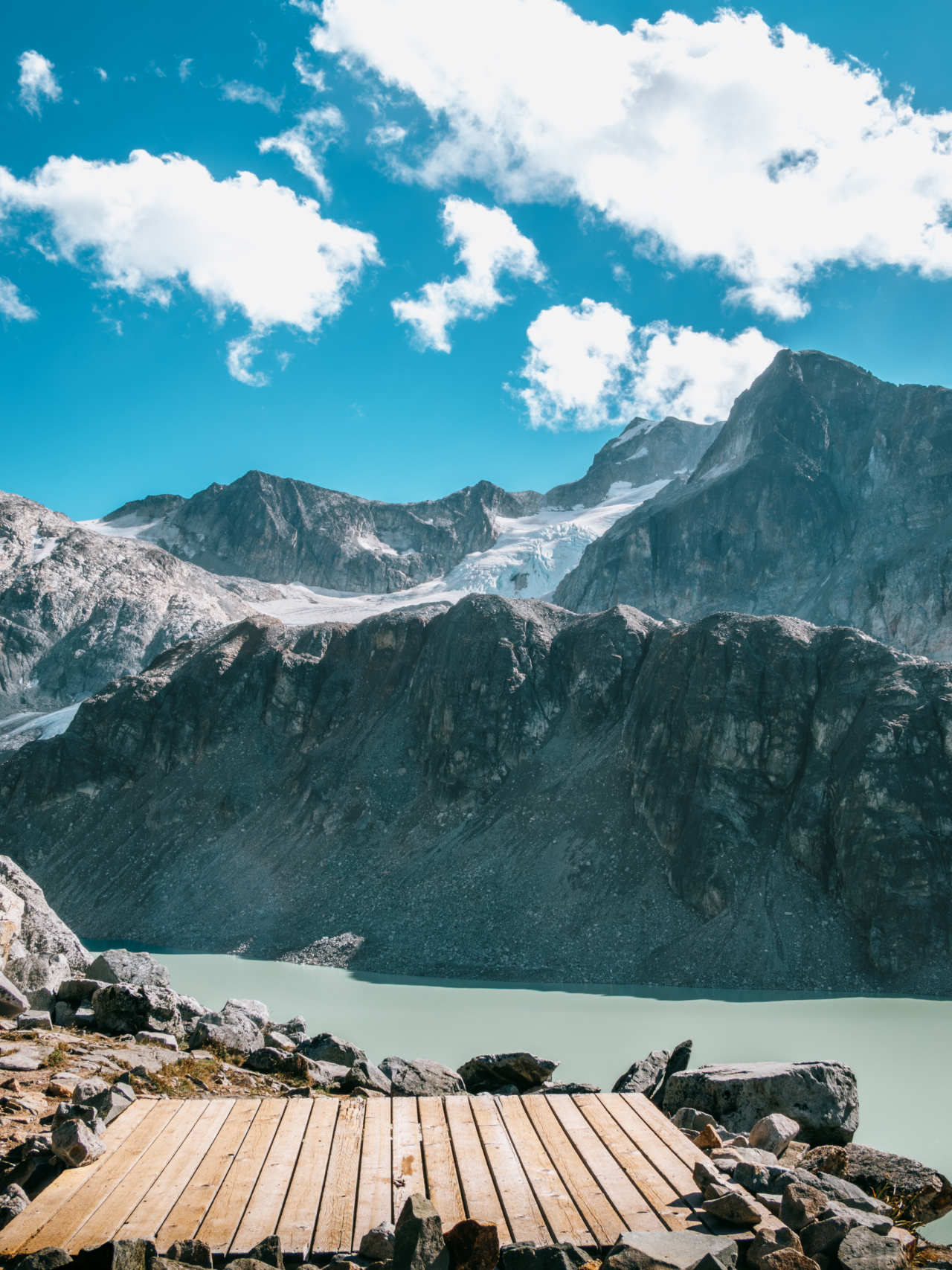
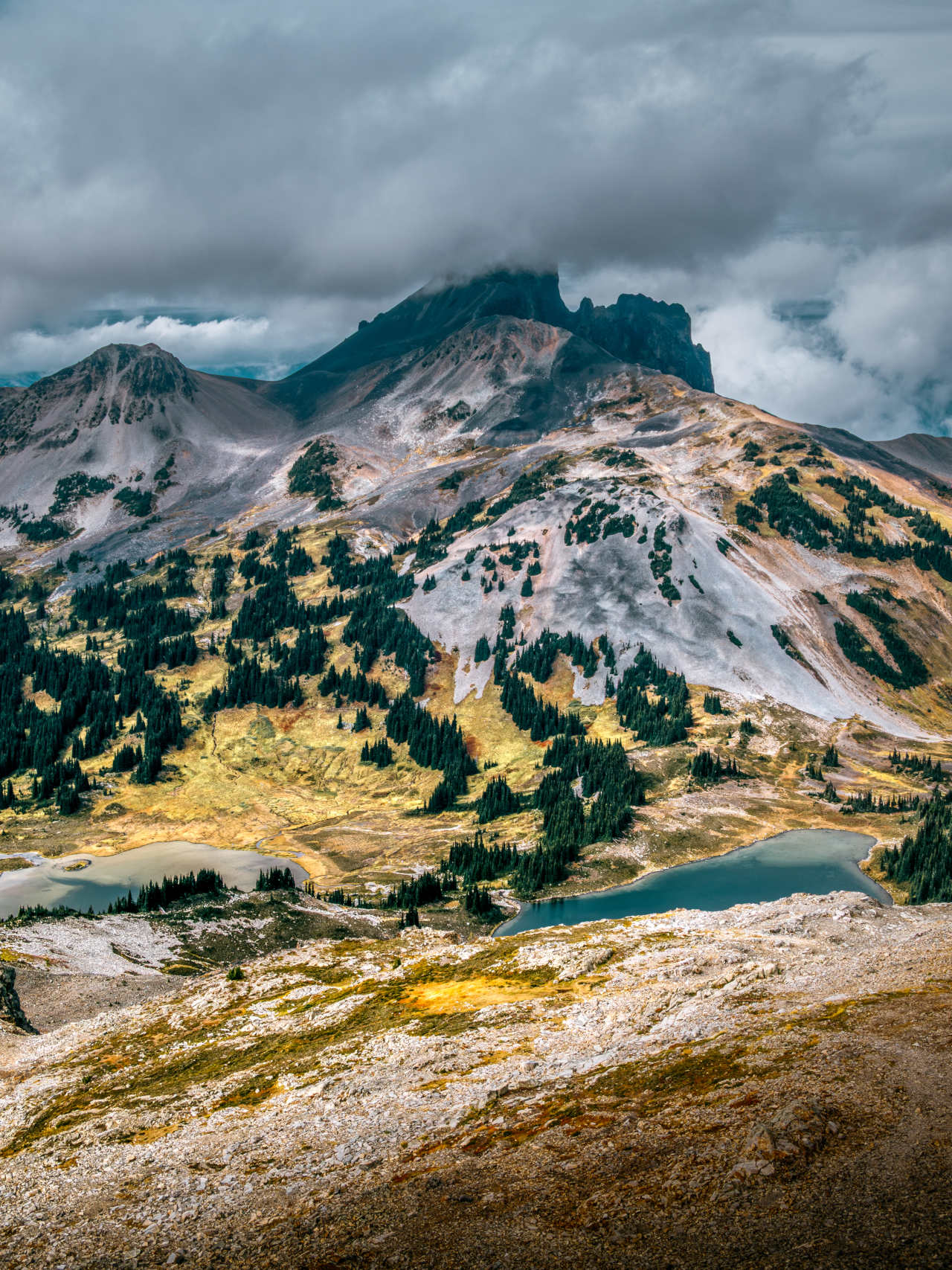
The trails that put Garibaldi on the global map each have a distinct architectural “personality.” For those seeking a cinematic masterpiece, Panorama Ridge is the gold standard—a 30km odyssey that culminates in an overlook of Garibaldi Lake so vast it feels surreal. If you prefer sheer vertical drama, Wedgemount Lake provides a steep, rugged climb to a turquoise basin tucked directly beneath a glacier. It’s a shorter distance than the Ridge, but its 1,200m gain requires a deeper respect for the terrain.
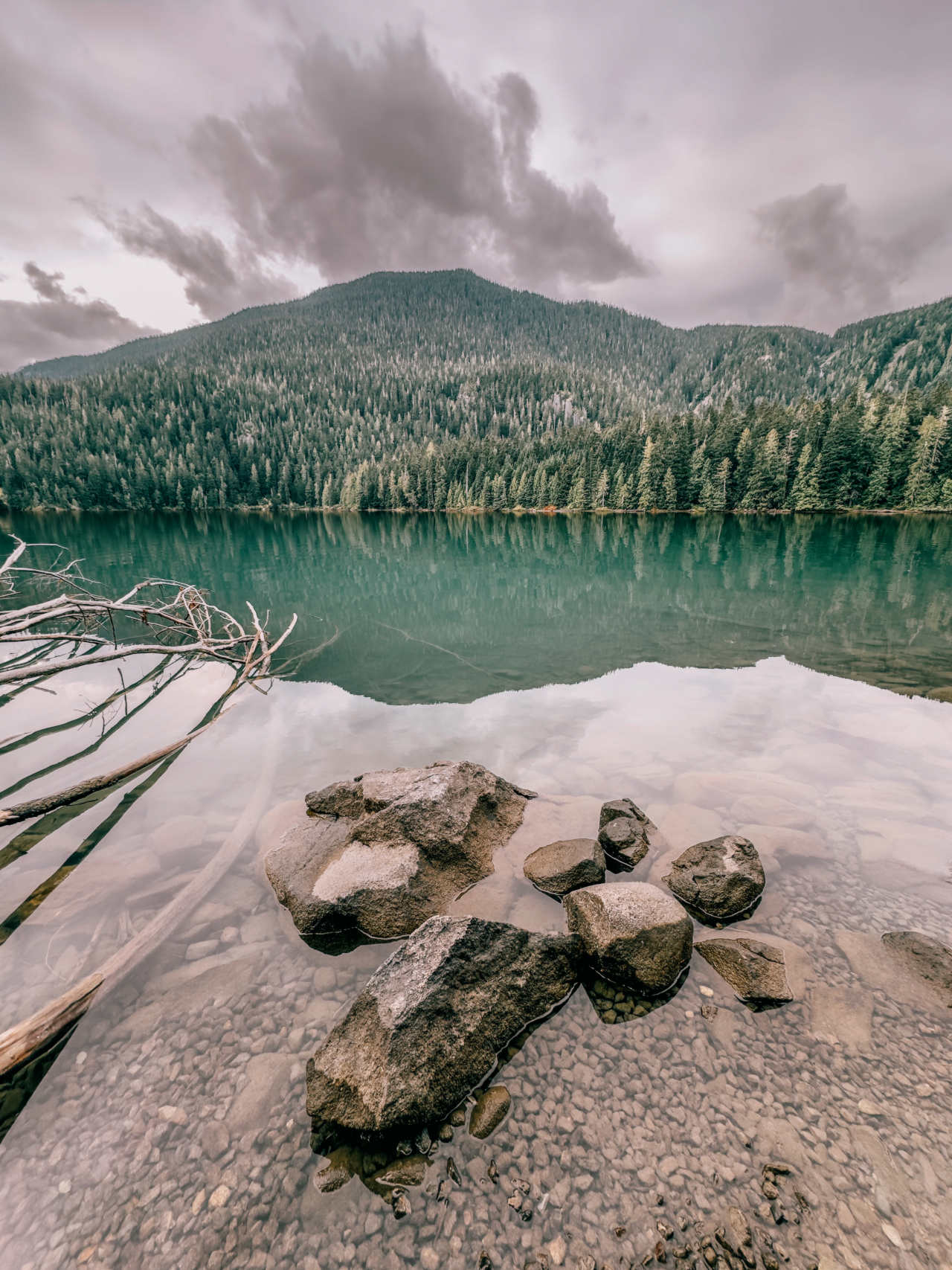
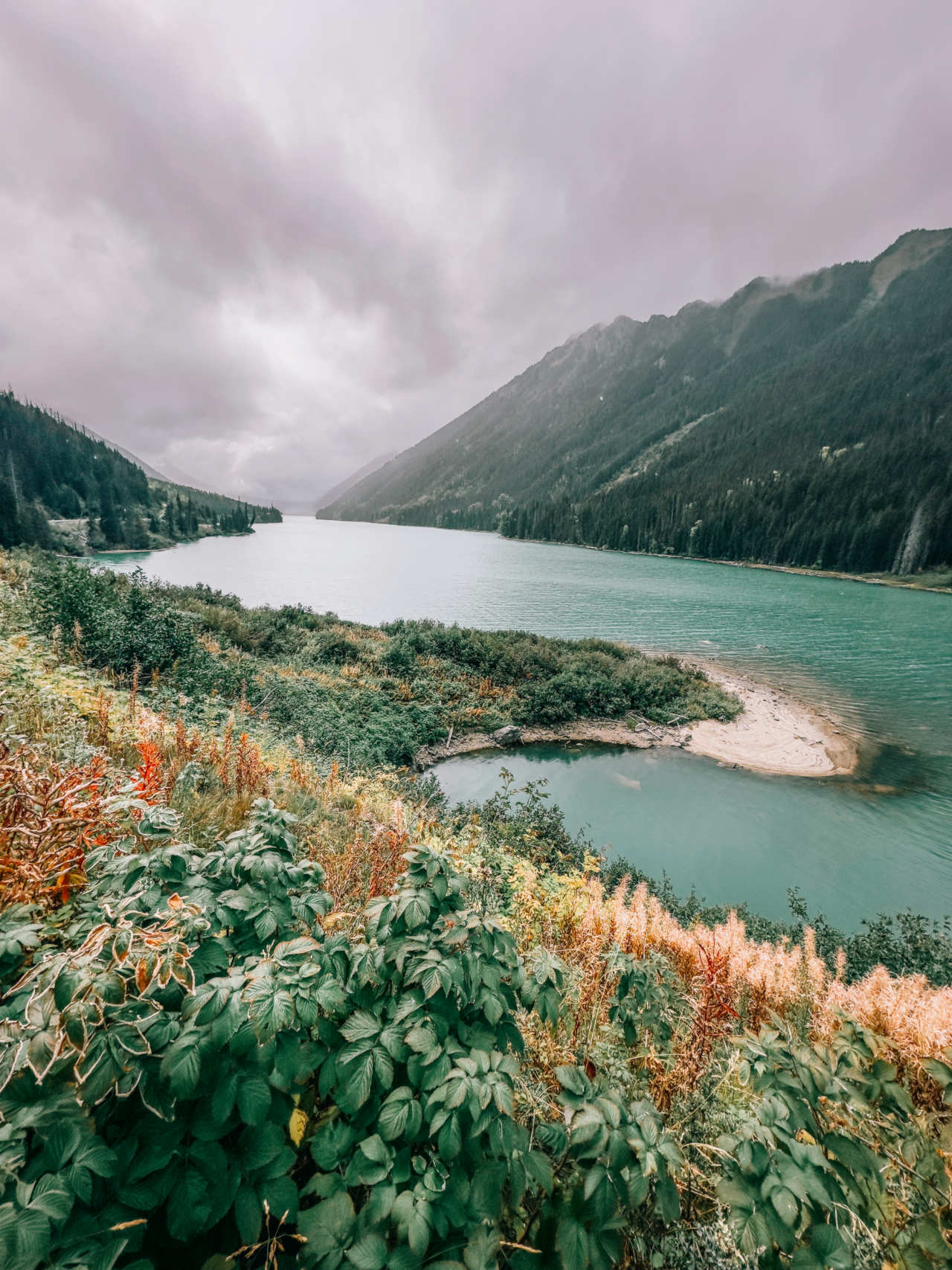
For the days when your legs need a reprieve or for families seeking a gentler pace, Cheakamus Lake and Joffre Lakes offer a shift in scale. Cheakamus is a peaceful, flat forest walk to a serene turquoise shoreline, while the three lakes of Joffre provide an escalating reward of blue hues. And if you aren’t hiking at all, a stop at Duffy Lake along Highway 99 offers mirror reflections and dramatic peaks right from the roadside—nature’s design accessible to everyone.
Basecamp: Whistler and Beyond
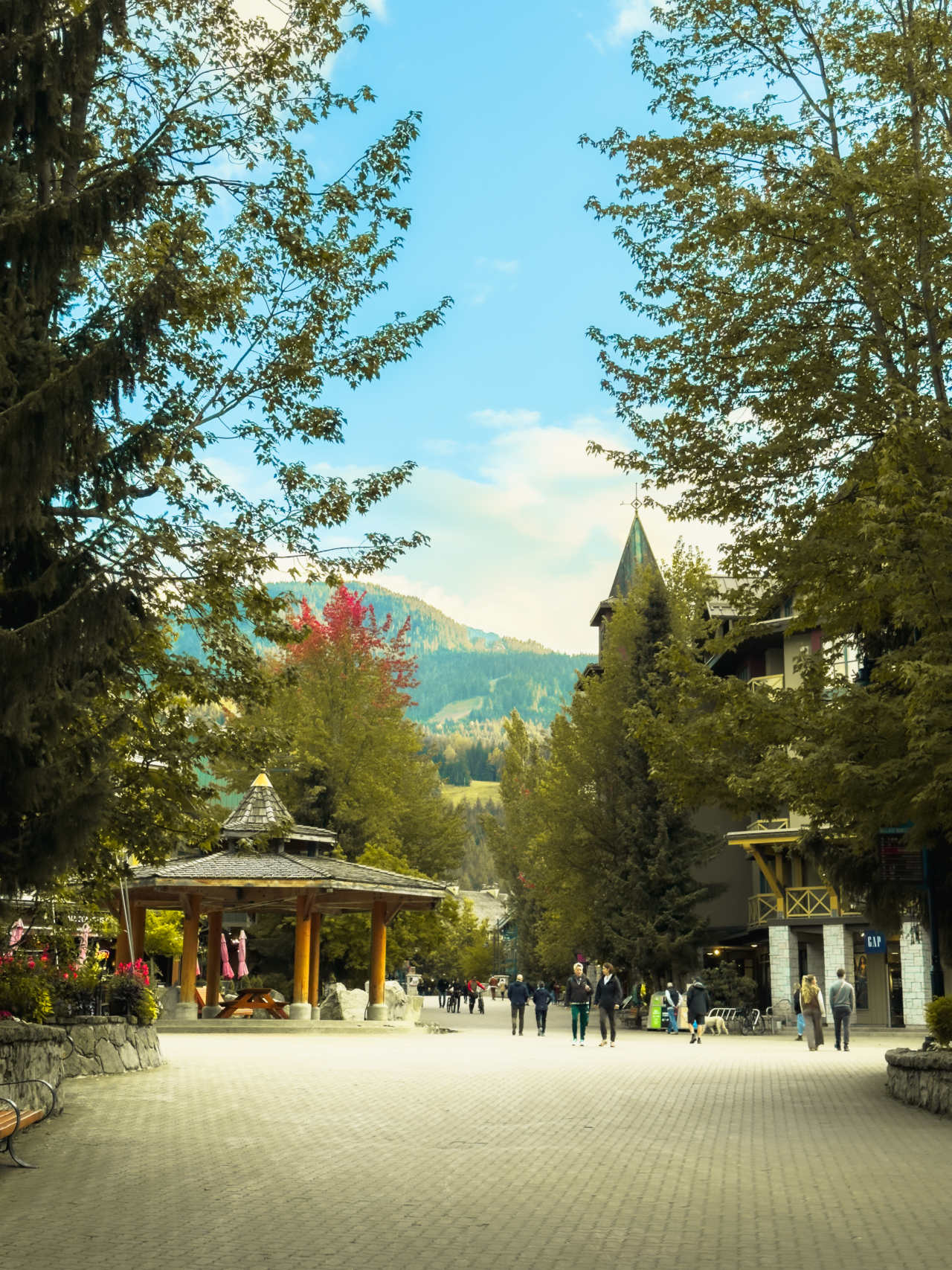
Whistler Village serves as the lively, walkable heart of the region, perfect for families who want to be close to the gondolas and playgrounds. If you’re looking for something quieter and more local, Creekside is a fantastic alternative, while Pemberton offers a rural charm that puts you closer to Joffre and Duffy Lakes.
Regardless of where you drop your bags, the experience is about more than just the destination. It’s the “apres-hike” coffee in the village, the sunset light hitting the Black Tusk, or the mist rising off Alta Lake in the morning.
The Rhythm of the Mountain
Beyond the logistics of bear spray and hiking boots, there is a specific rhythm to life in the Sea-to-Sky. It’s a landscape that demands physical effort but offers a rare kind of clarity in return. As an architect, I find the contrast between the bustling, engineered village and the raw, ancient spires of the Garibaldi range endlessly fascinating. It is a reminder that while we build for comfort, nature builds for awe.
Final Thoughts
Whistler and Garibaldi aren’t just destinations—they’re experiences that stay with you long after the mud has been washed off your boots. Whether you’re chasing alpine sunrises, exploring family-friendly trails, or simply breathing the cool mountain air with a coffee in hand, this region has a way of turning every visitor into a lifelong fan. And once you’ve stood on those ridges, the world below always looks a little bit different.
Sparrow's Field Kit
The Brief: A quick-reference guide for the architectural traveler exploring the Coast Mountains.
-
Best Time for the “Golden Hour”: Late July to Early September. This ensures the glacial lakes (Wedgemount/Cheakamus) are fully thawed and the alpine wildflowers are in peak bloom.
-
The Sea-to-Sky Drive: From Vancouver to Whistler, stay in the right lane for the best views of Howe Sound, but keep your eyes on the road—the curves are as dramatic as the scenery.
-
Park Permits: Garibaldi Provincial Park requires day-use passes during peak season. Book these via the BC Parks website at 7:00 AM sharp, two days before your hike.
-
Gear Architecture: * Footwear: Sturdy boots with ankle support for the technical rubble on the Panorama Ridge ascent.
-
Water: At least 3 liters for Wedgemount Lake; the elevation gain is a “vertical mile” and requires serious hydration.
-
Photography Tip: Bring a circular polarizer. It’s essential for cutting through the surface glare on the glacial silt to reveal those deep turquoise layers.
-
Offline Navigation: Download Gaia GPS or AllTrails. Cell service is non-existent once you leave the trailhead; having GPS-synced offline maps is your “structural backup.”
-
Bear Safety: Carry Bear Spray in an accessible hip or chest holster (not inside your pack). Whistler is active grizzly and black bear territory—think of it as your most important “site safety” equipment.
-
Fuel Strategy: Pack high-calorie, lightweight snacks like Trail Mix, Beef Jerky, and Energy Gels. For a long day on Panorama Ridge, bring a “summit sandwich”—something substantial to celebrate reaching the peak.
-
Emergency Lighting: Carry a compact LED Flashlight or a Headlamp with extra batteries. Even if you plan to be back by sunset, trail delays or getting turned around can quickly leave you stranded in the dark—think of it as your “emergency structural lighting.”
-
Stability & Support: Pack a Trekking Pole or a sturdy Hiking Stick. While not always necessary on flat ground, it becomes a literal lifesaver for weight distribution during steep descents, or providing vital structural support if you encounter leg cramps or a sprained ankle.
-
Power Redundancy: Carry a compact 10,000mAh Power Bank and the necessary charging cable. High elevations and cold alpine air can drain a mobile battery 30–50% faster than at sea level. Keeping your phone alive ensures your GPS and offline maps stay functional during the critical descent as light fades.
Explore more Great Canadian Landscapes:
• Cape Breton & the Cabot Trail
• Banff & The Rockies
• Newfoundland