Introduction: Following the Warm Winds
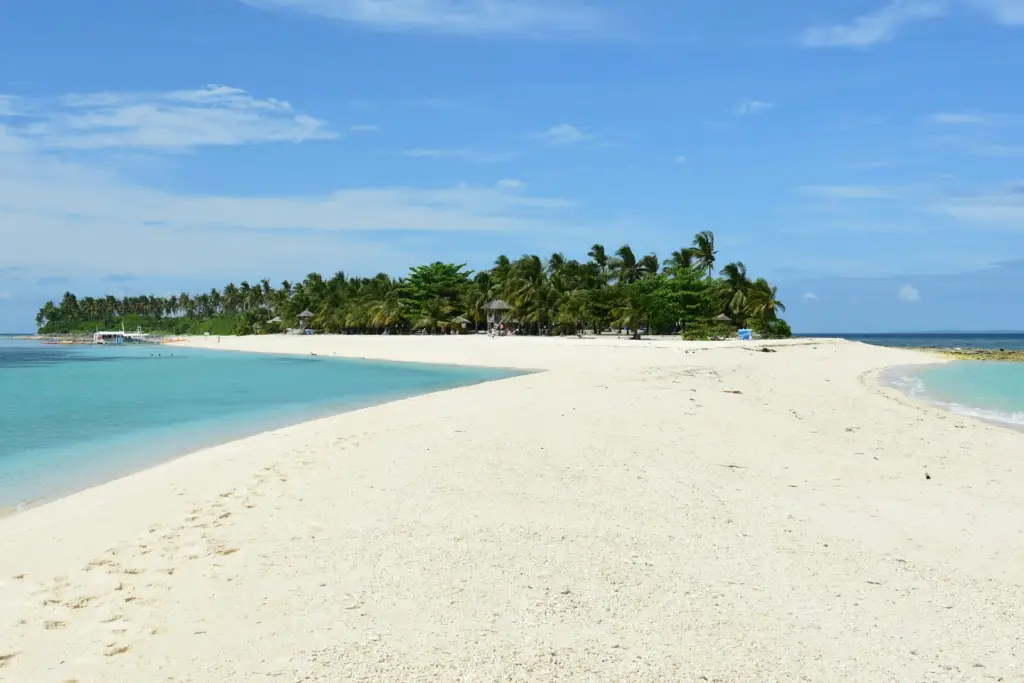
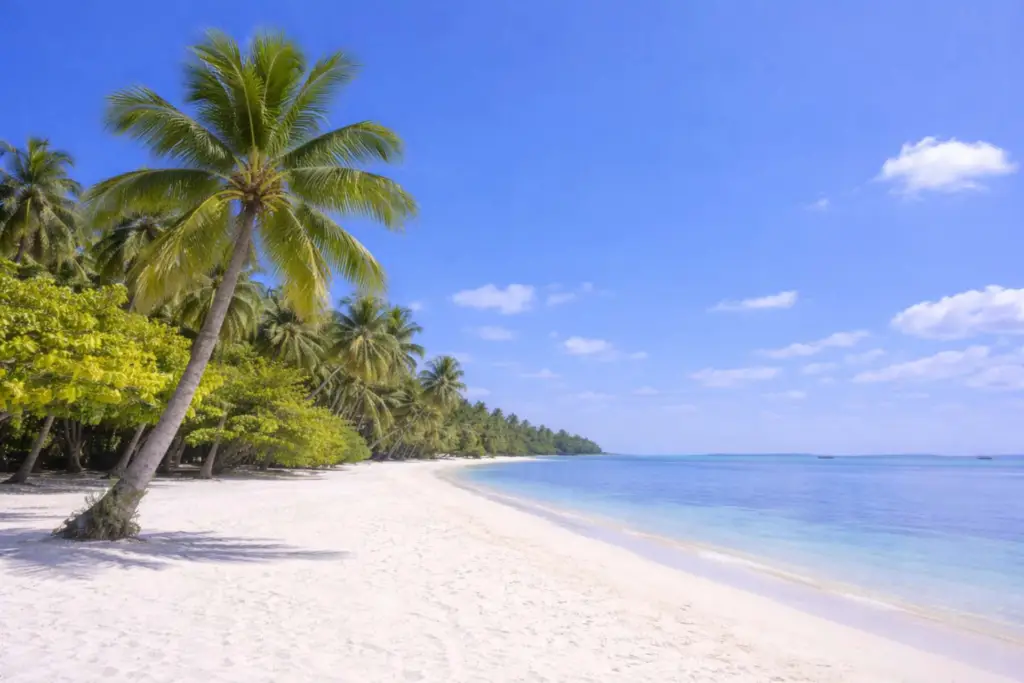
There is something irresistible about the tropics. Perhaps it is the rhythm of the ocean waves, the glow of a golden sunset spilling across a quiet beach, or the scent of salt and warm air drifting through palm trees.
For travelers, tropical destinations promise adventure, beauty, and the kind of memories that linger long after the journey ends. Yet traveling in the tropics is a little different from traveling elsewhere. The climate is warmer, the pace of life often slower, and daily routines follow the rhythms of sun, rain, and tide.
Over the years, I’ve learned that traveling well in the tropics isn’t just about arriving at beautiful places—it’s about understanding how to move comfortably through them. A little preparation, a few practical habits, and a handful of clever travel tricks can transform a trip from exhausting to effortless. Here are some essential tropical travel tips I’ve gathered over the years to help you stay comfortable and prepared.
Dress for the Humidity
One of the first lessons every traveler learns in the tropics is that clothing matters more than you expect. Tropical climates combine heat, humidity, and sudden rain showers, which means your wardrobe should focus on comfort and functionality.
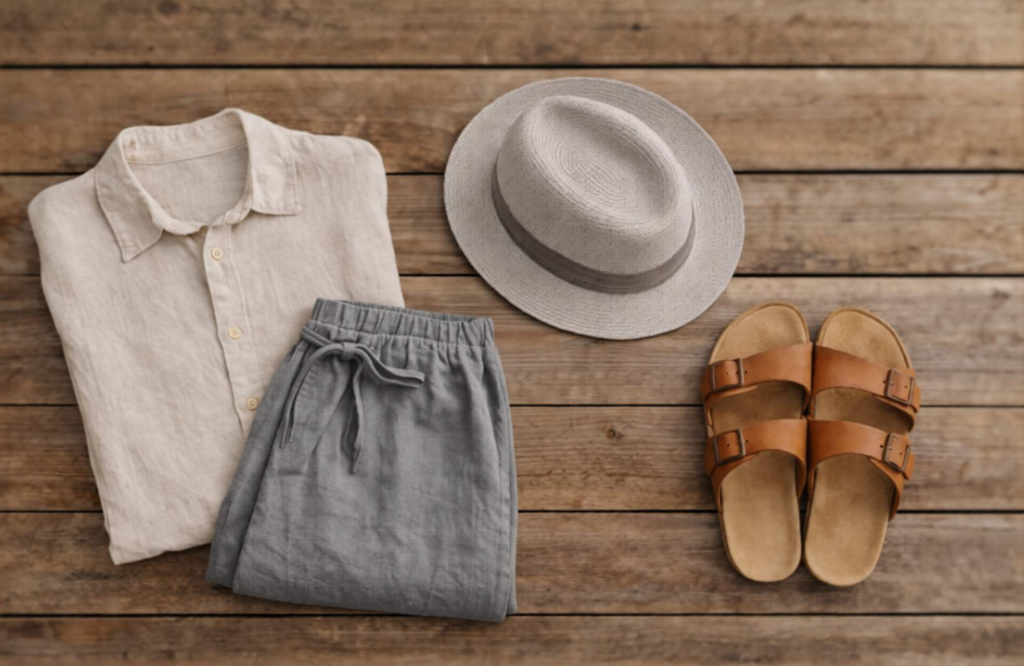
Breathable fabrics such as cotton, linen, and lightweight moisture-wicking materials are ideal. They allow air to circulate and dry quickly after a humid afternoon or a sudden tropical downpour. Avoid dark denim or heavy synthetics, which can quickly become uncomfortable when the humidity climbs.
Quick Tropical Packing Essentials:
-
- Lightweight cotton or linen shirts
-
- Quick-dry travel clothing
-
- Breathable shorts or lightweight trousers
-
- Comfortable sandals (for the beach)
-
- Light hiking shoes or trail runners (for the streets)
-
- Compact rain jacket or poncho
-
- Wide-brim hat or cap
Master the Tropical Clock
In many tropical regions, the midday sun is a heavy hitter. Locals often adapt their schedules to the heat, and seasoned travelers benefit from doing the same.
-
- Morning – Exploration: Hit the markets at dawn. The air is cooler, and the energy is vibrant as vendors prepare for the day.
-
- Midday – Rest and Recharge: Between 12:00 PM and 3:00 PM, do as the locals do—retreat. This is the perfect time for a long lunch or a shaded café break.
-
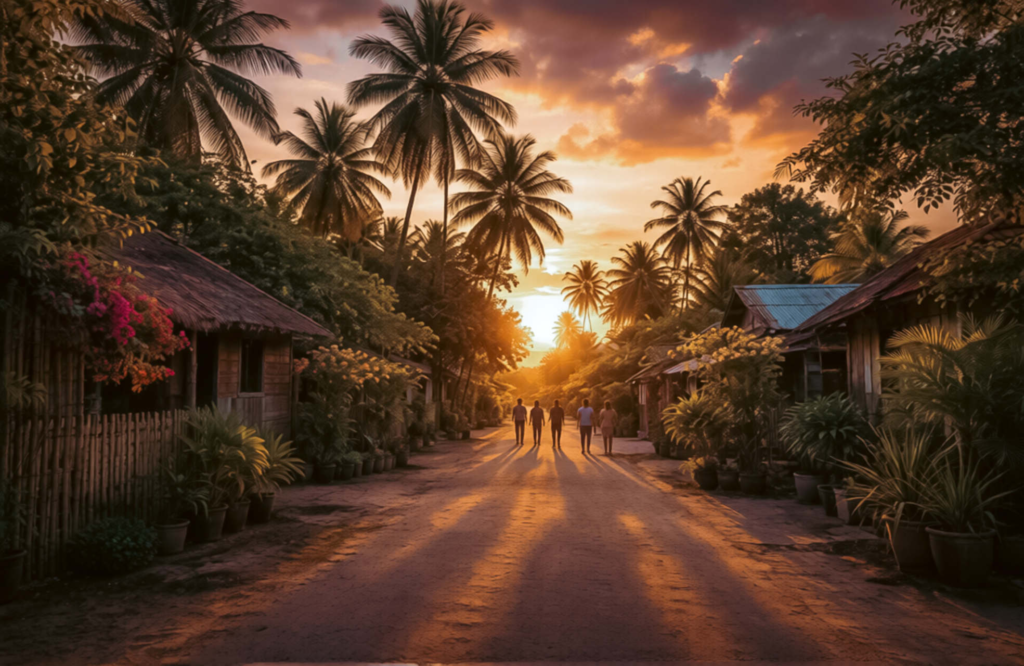
- Late Afternoon – The Golden Hour: As the sun softens, the outdoors becomes inviting again. The Crafty Tip: This isn’t just the coolest time to hike; it’s the best time for photos. The midday sun is harsh, but the “Golden Hour” just before sunset provides long shadows and rich textures that make tropical landscapes truly “pop.”
- Evening – Culture and Sunsets: Evenings are magical. Street food stalls open, and the sky becomes a daily ritual of brilliant colors.
Protect Yourself from the Elements
The tropics offer incredible beauty, but the environment can be intense. A little preparation ensures the environment remains something you enjoy rather than endure.
Sun Protection The tropical sun is strong even on cloudy days. Always have:
-
- Reef-safe sunscreen (to protect the delicate marine life)
-
- Sunglasses with UV protection
-
- Lightweight long sleeves for extended boat trips or outdoor time
Insect Protection Mosquitoes are common near forests and rivers. Useful precautions include:
-
- Repellent containing Picaridin or DEET
-
- Wearing light long-sleeve clothing in the evenings
-
- Staying in accommodations with reliable screens or mosquito nets
Move with Flexibility
Transportation in tropical destinations can be unpredictable. Ferries run on “island time,” and weather may shift travel plans at a moment’s notice.
At first, these delays can feel frustrating, but they often become memorable moments. I’ve found that some of my best stories come from chatting with locals at a ferry terminal or discovering a hidden roadside café while waiting for a bus. In the tropics, patience is your best travel companion.
Crafty Tropical Travel Tips and Hacks
Every experienced traveler develops small tricks that make life easier. These are my favorite “Crafty Sparrow” hacks:
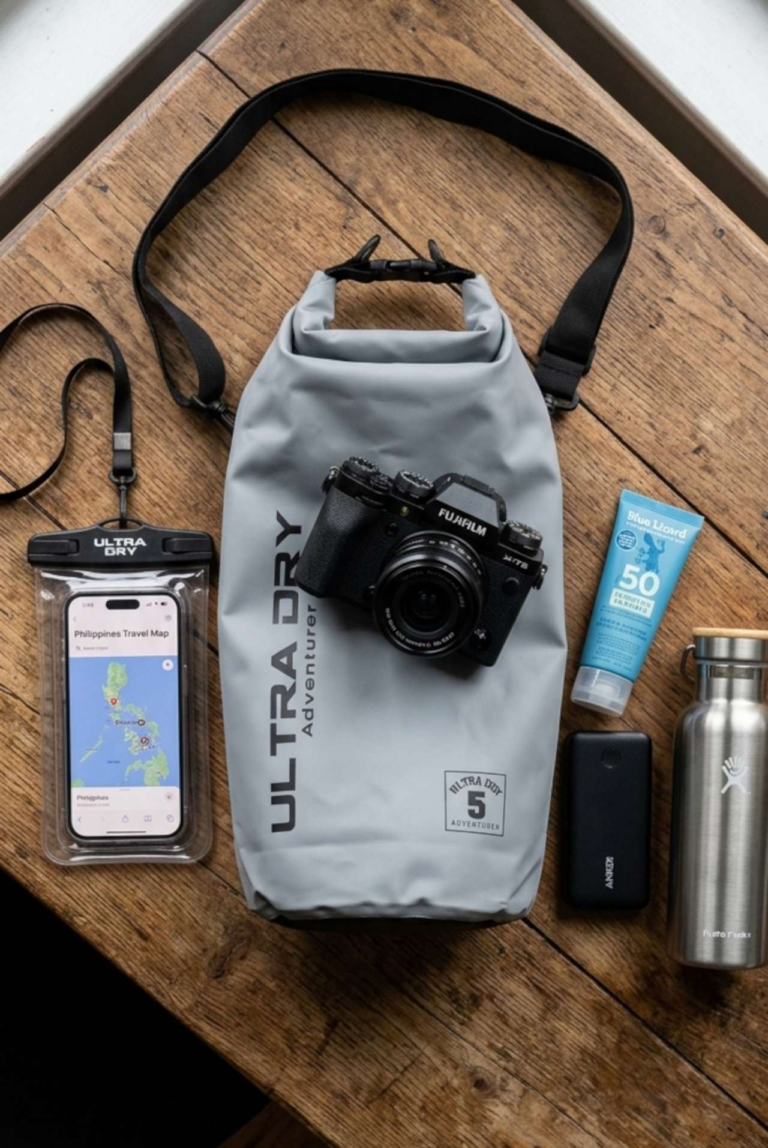
1. The Electronic “Life Preserver” Sudden tropical rainstorms can soak a backpack in seconds. I always carry a large zip-lock freezer bag or a lightweight dry bag inside my daypack. When the clouds open up, my camera, phone, and power bank go straight inside. It weighs almost nothing but has saved my gear countless times.
2. The Island-Hopping Day Bag Instead of digging through a large pack, keep a small waterproof pouch ready with your essentials:
-
- Sunscreen & lip balm
-
- Power bank & cables
-
- Small microfiber towel
-
- Reusable water bottle
- Waterproof phone pouch
The Reward of Traveling Well
Traveling through the tropics is about more than sunshine and beaches; it is about experiencing a natural rhythm where nature and community intertwine.
With breathable clothing, thoughtful preparation, and a few crafty tricks, you’ll find yourself slowing down in the best possible way. Like a sparrow carried gently by warm island winds, the most rewarding journeys come when you simply allow the day to unfold.
What’s the one item you never head to the tropics without? Let me know in the comments below!
Ready for the Journey?
Now that you have the essentials packed, it’s time to choose your destination. Each corner of the Philippines offers a distinct texture and pace. Explore my specific field guides to plan your next escape:
-
The Icons: Boracay & Palawan
Whether you are looking for the vibrant ease of Boracay or the rugged, world-class lagoons of Palawan, these are the pillars of the Philippine coast. Dive deeper into the specifics of El Nido’s limestone cliffs or the hidden lakes of Coron.
-
The Wild Pulse: Siargao
For those seeking a raw, grounded energy and a slower rhythm, the surf breaks and coconut groves of Siargao offer a different kind of island magic.
-
The Quiet Ascent: Northern Highlands
If you need a break from the saltwater, head north. From ancient rice terraces to mist-shrouded summits, the mountains offer a silent, soulful pilgrimage unlike anywhere else in the archipelago.