The first thing I realized about Coron is that it keeps you waiting for the “big reveal.” When you land at Francisco B. Reyes Airport (USU), you aren’t greeted by the sea; instead, you’re surrounded by rolling green hills and cattle ranches. It is only after a winding 18km drive into Coron Town that the landscape shifts, and the massive, jagged limestone peaks begin to rise from the ocean like ancient guardians.
Coron is a kingdom of water and stone. It is less polished than El Nido, a bit more rugged, and doesn’t try quite as hard to impress you on land. But once you leave the docks, the magic happens.
1. Getting There: Starting Your Journey
For the majority of travelers, the adventure begins in Manila or Cebu.
- By Air: Most visitors fly directly into Busuanga (USU).
- The Busuanga Transition: The airport is located in the heart of the island—about 18km north of Coron Town. Shared vans (₱150–₱300) are lined up for every flight and will drop you at your hotel after a 30–45 minute drive.
- The Sea Route: If you’re coming from El Nido, the Fast Ferry (3.5–5 hours) costs between ₱2,800–₱3,500.
2. Decoding the Island Hopping Tours
In Coron, tours are standardized to help you pick your “flavor” of adventure. Here is the breakdown of what you’ll actually see:
The “Super Ultimate” Tour (The Best for Limited Time)
- Cost: ₱1,700 – ₱2,200 per person.
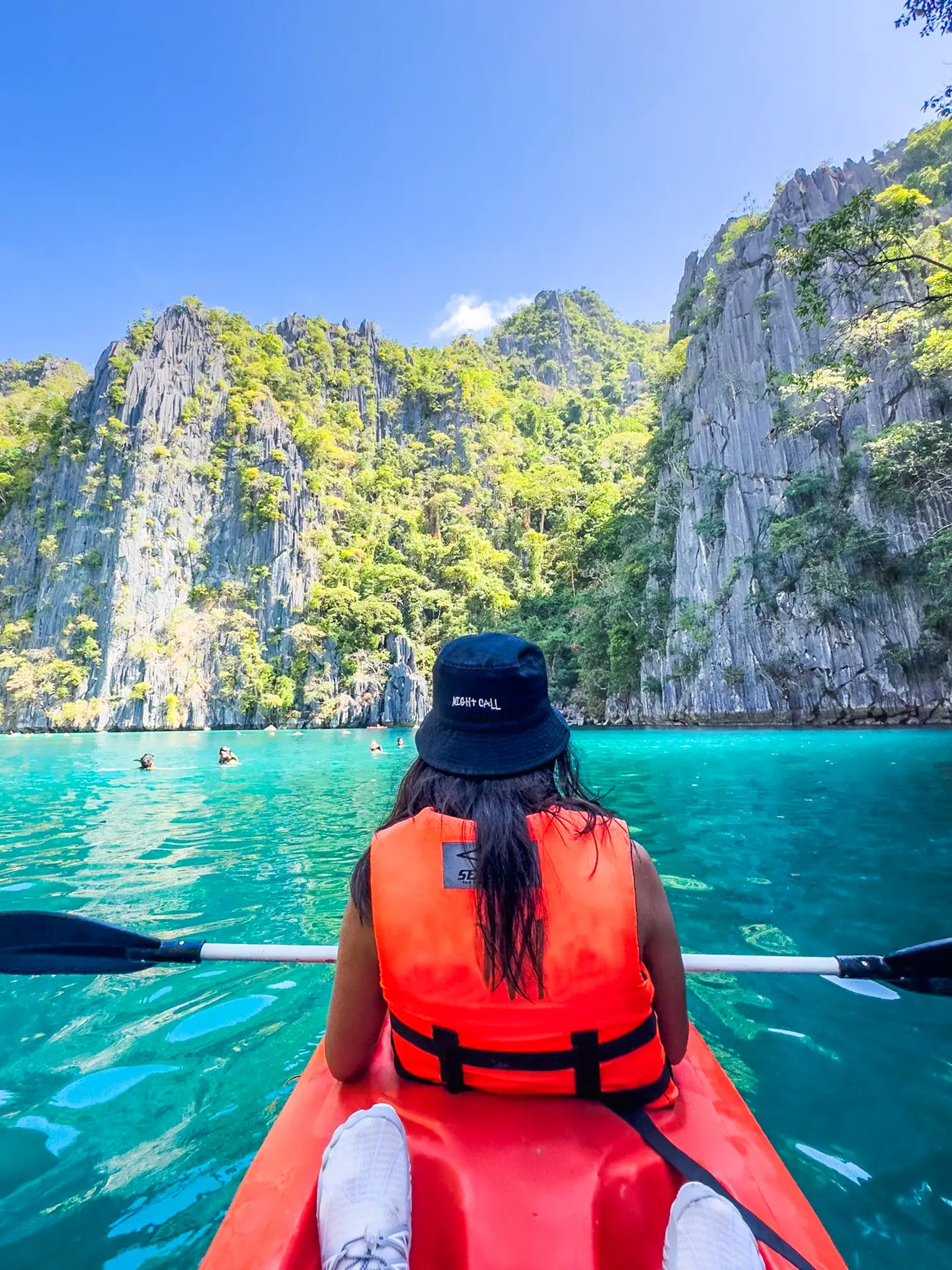
- Highlights: Kayangan Lake, Twin Lagoon, Barracuda Lake, Skeleton Wreck, and Siete Pecados.
- The Vibe: This combines the “greatest hits” of Tours A and B. If you only have one day on the water, this is the one.
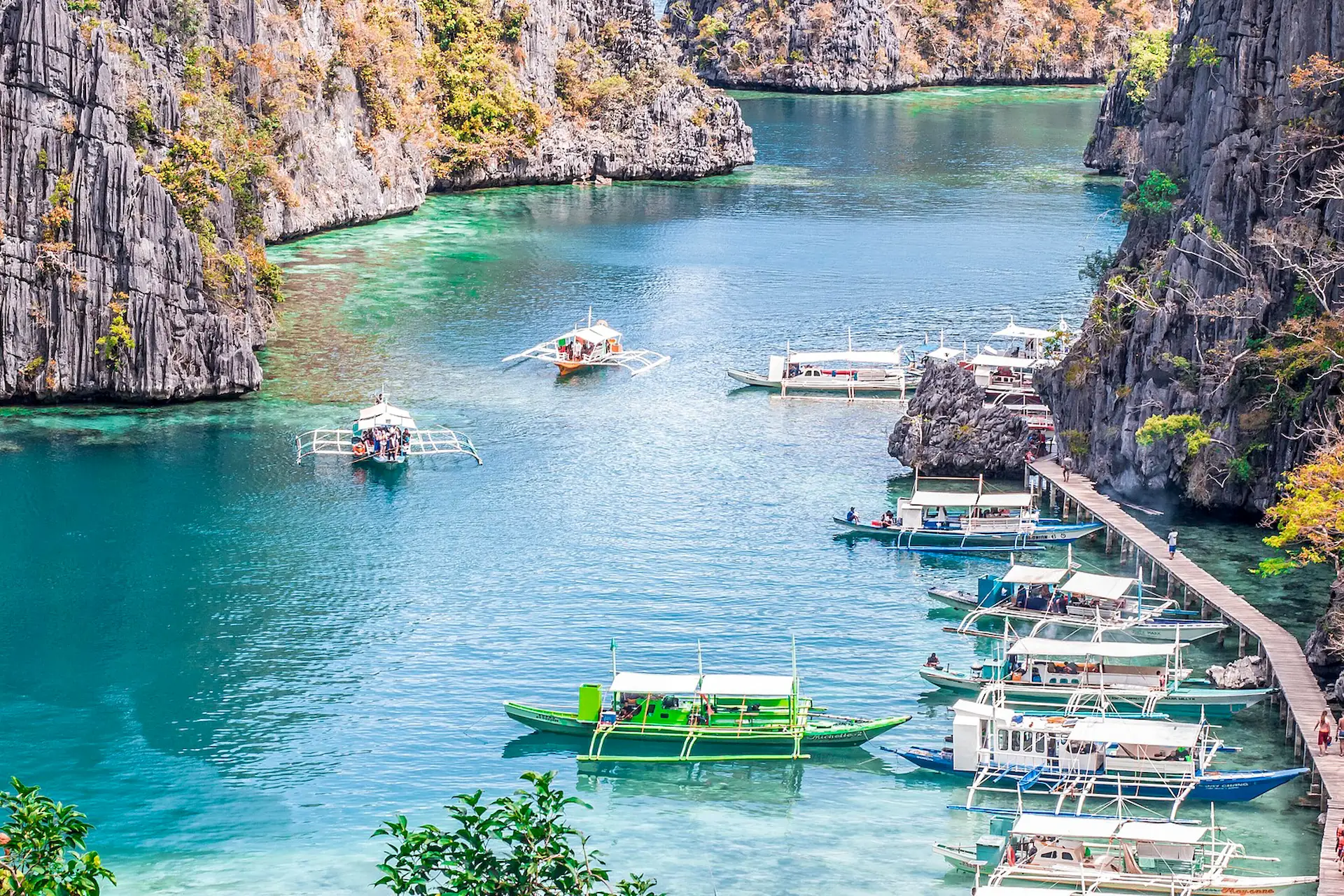
Tour A (The Famous Lakes)
- Cost: ₱1,200 – ₱1,500 per person.
- Highlights: Kayangan Lake, Coral Garden, and CYC Beach.
- The Vibe: Focused on the iconic freshwater lakes and the most famous “postcard” views.
Tour B (The Underwater World)
- Cost: ₱1,300 – ₱1,600 per person.
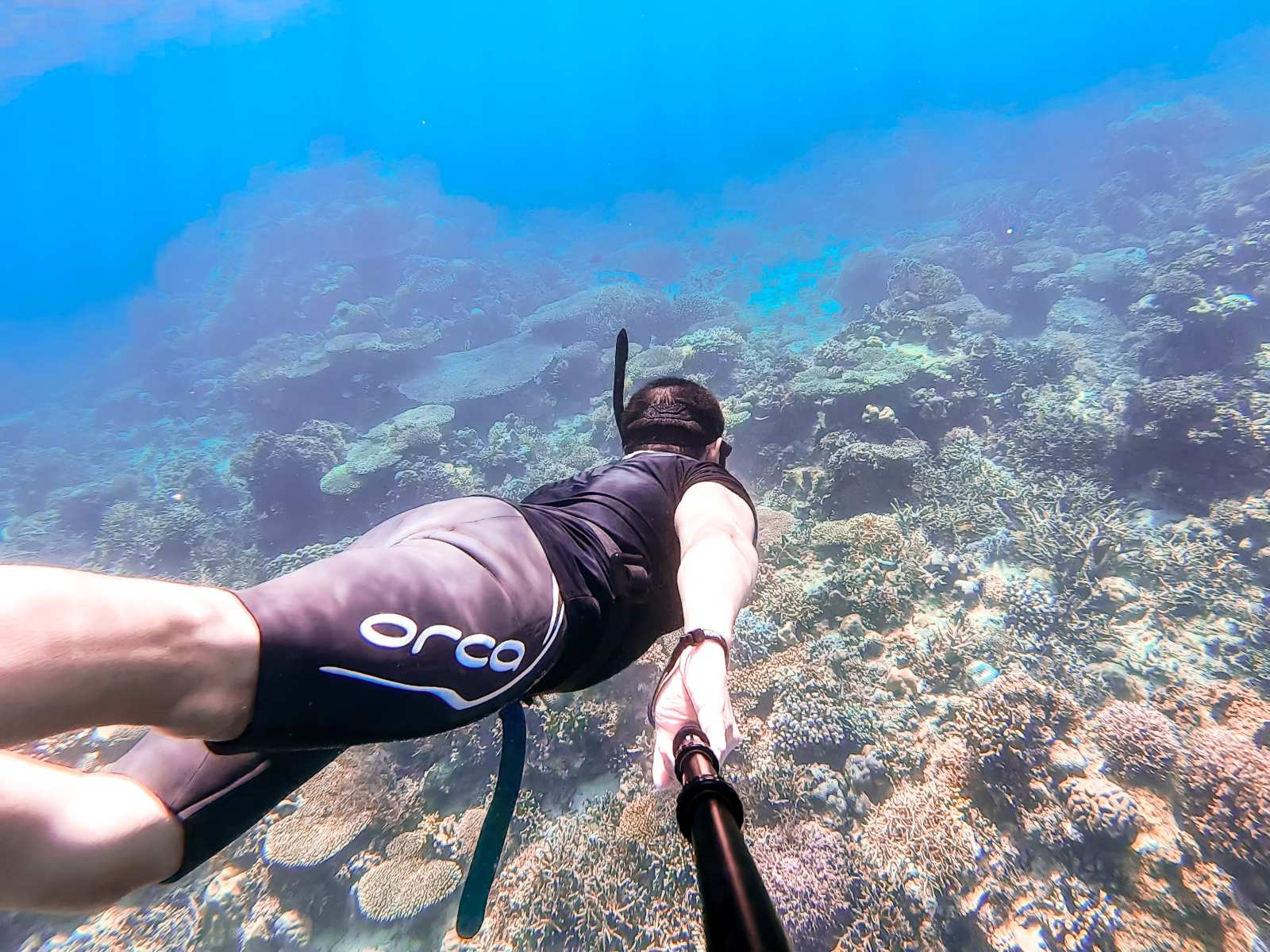
- Highlights: Barracuda Lake, Skeleton Wreck, Twin Lagoon, and Reef Garden.
- The Vibe: Ideal for those who want to see the surreal thermoclines of Barracuda Lake and WWII history.
Tour C (The Beach Escape)
- Cost: ₱1,500 – ₱2,800 per person.
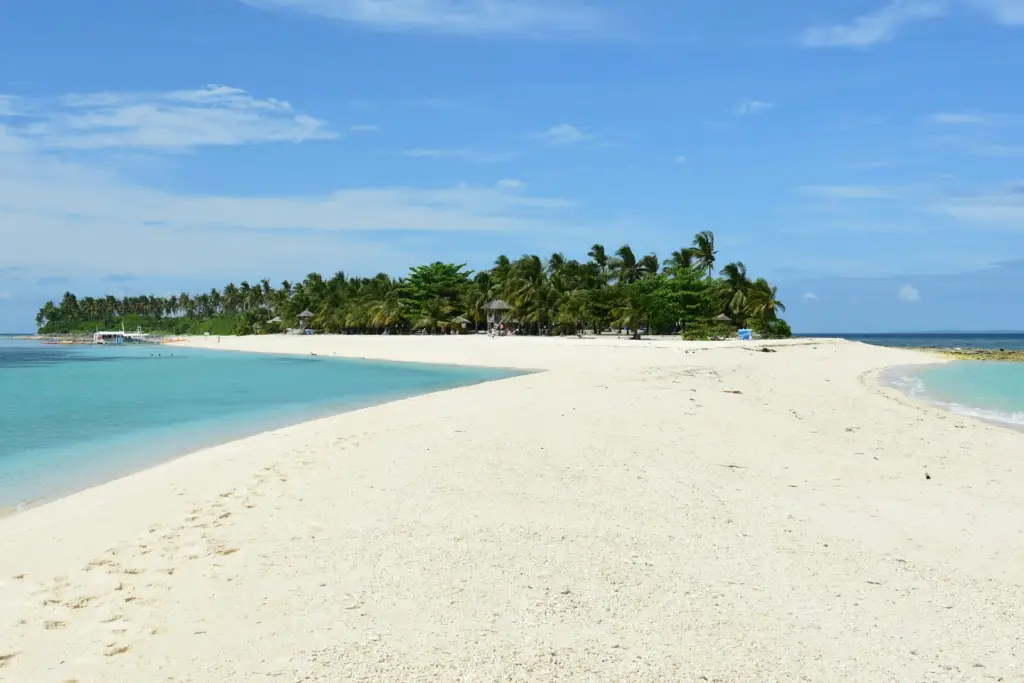
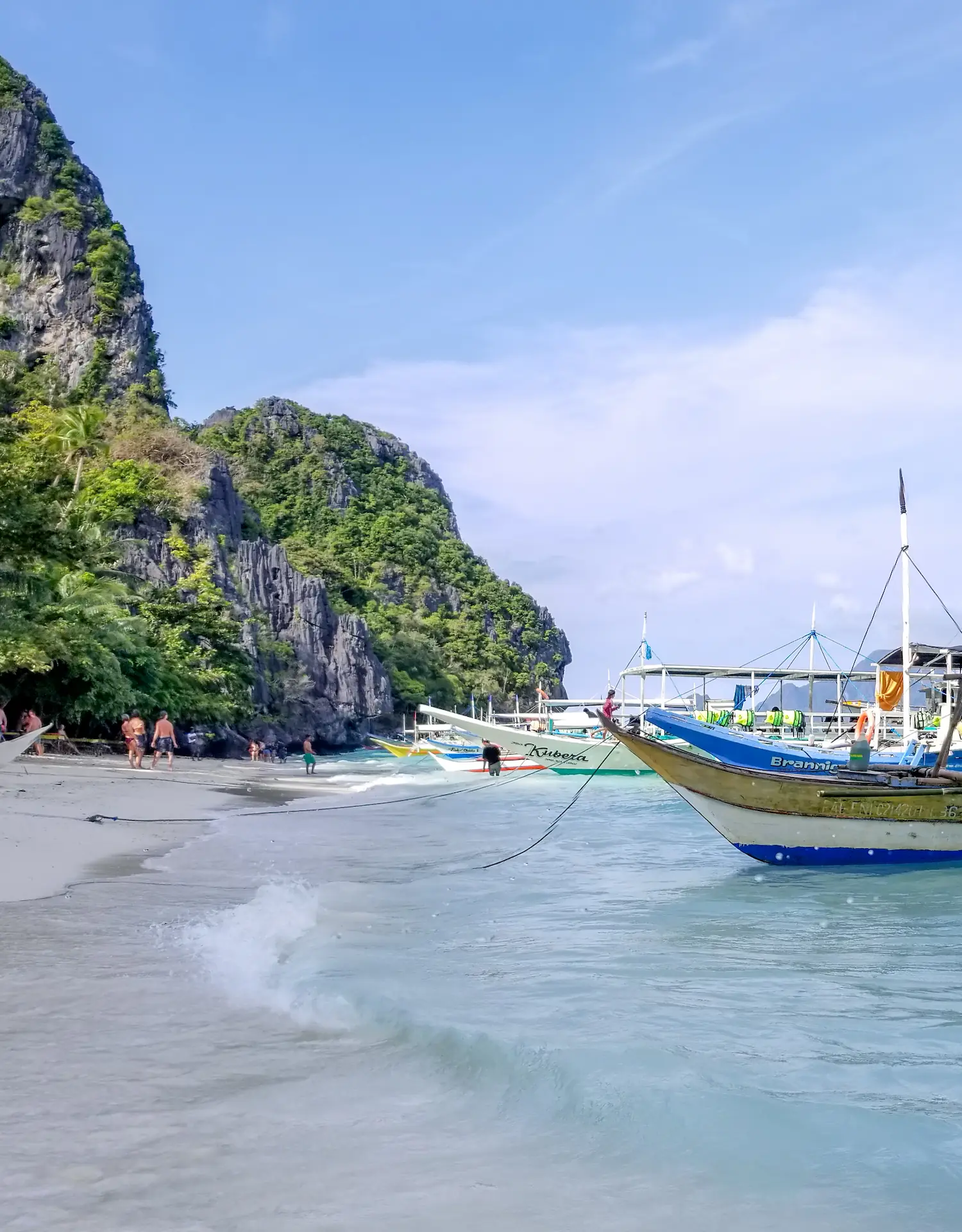
- Highlights: Malcapuya Island, Banana Island, and Bulog Dos.
The Vibe: Since Coron Town has no beaches, this is your only way to get white sand. Note: These islands are further away, so expect a longer boat ride.
3. The Smart Move: Hiring a Private Boat
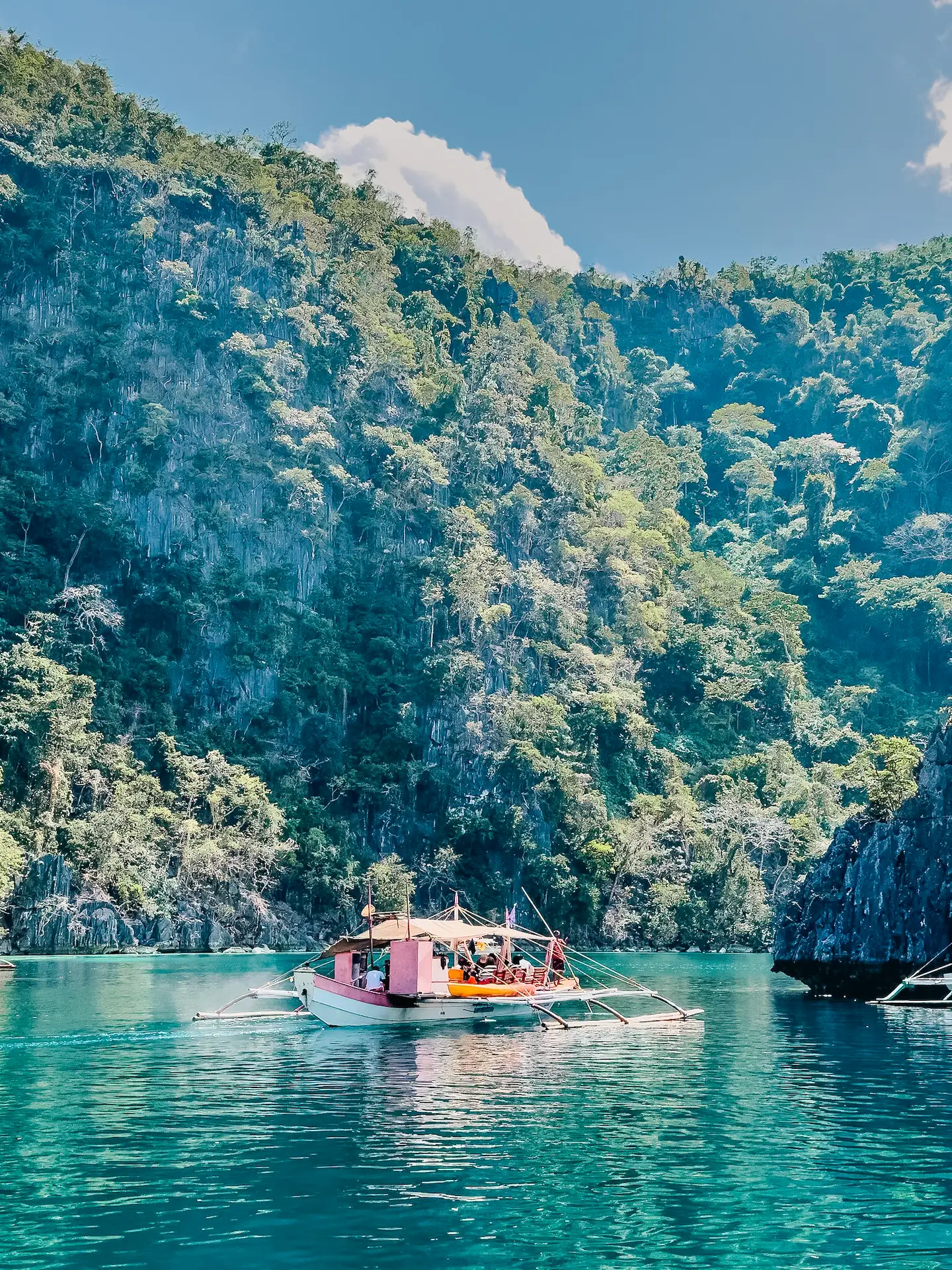
If you want to beat the crowds and you have your own group, hire your own boat. It allows you to customize your destination choices and, most importantly, your schedule.
- The Cost: A private boat usually starts around ₱5,000 – ₱7,000 for the vessel, plus individual entrance fees for each stop.
- The Meal Secret: You can visit the local market with your guide in the morning to shop for your own lunch. A word of caution: It is incredibly easy to over-buy! We ended up with so much fresh seafood and pork that we shared the excess with our boatmen to take home to their families. It’s a great way to give back while enjoying a world-class meal on a private beach.
4. Dining & Survival
- Dining: Food in Coron is simpler and more affordable than El Nido. Local “Carinderias” offer great meals for ₱150–₱300. Of course there are tons of options in the higher price brackets from ₱400–₱600 and up but it is all about the choice of restaurants.
- Cash is Essential: ATMs in Coron are notoriously unreliable. Bring 20% more PHP than you think you need before you arrive.
Connection: Take the 3–4 day boat expedition to El Nido for a once-in-a-lifetime journey through remote islands.
Final Thought: El Nido or Coron?
El Nido is where you go for convenience, social vibes, and beautiful mainland beaches. Coron is where you go for the scenery that takes your breath away. Coron feels less curated and more powerful. When you’re floating in a silent lake surrounded by jagged black cliffs, you realize it doesn’t need the polished beachfronts—it has a landscape that feels completely untouched.
Yes. While many high-end resorts and larger restaurants in the Town Proper do accept cards, the majority of tour operators, tricycles, and market vendors are strictly cash-only. The ATMs in town may frequently run out of money or experience network issues.
No. Stick to bottled or filtered water for drinking and even for brushing your teeth if you have a sensitive stomach.
Tricycles are everywhere and very cheap (₱30–₱100). If you want to visit the Maquinit Hot Springs or explore the inland areas of Busuanga, renting a motorbike for ₱500–₱700/day is the best option.
The only way to truly have the lake to yourself is to hire a private boat and ask your captain to leave the dock by 7:00 AM, at least an hour before the group tours depart.
None. Coron Town Proper is a port area with mangroves. You must take a boat (Tour B, Island Escapade Tour, or a private rental) to reach the white sand beaches.
- Dry Season (Best Weather): December to May. This is when you’ll get those postcard-perfect turquoise waters and clear blue skies.
- Pro Tip: February and March are the “Sweet Spot”—the weather is dry, but it hasn’t reached the scorching heat of April and May yet.
- Rainy Season (Best Value): June to November. You’ll see more rain (usually afternoon bursts), but hotel prices drop significantly, and the limestone cliffs turn a lush, vibrant green.
- Risk: Boat tours are more likely to be cancelled by the Coast Guard during these months due to high waves.
Coron is all about the water, so “function over fashion” is the rule.
- Footwear: Aqua shoes (Water shoes) are non-negotiable although flipflops can also work but with a bit of difficulty. Many snorkeling spots (like Siete Pecados) have sharp coral and sea urchins.
Rash Guards: Essential for sun protection and to guard against occasional “sea lice” (tiny stinger plankton).
Quick-Dry Gear: Lightweight linen or athletic wear. Avoid heavy denim; once it gets wet from the boat spray, it stays wet.
Gear:
Dry Bag (10L–20L): A must-have to keep your phone and wallet dry during island hopping.
Reef-Safe Sunscreen: To protect the coral reefs while you protect your skin.
Beyond the Lagoons: While the limestone cliffs of Palawan are iconic, the Philippines offers a vast range of textures. If you’re looking for a change of scenery, check out the surf culture of Siargao, the white sands of Boracay, or the misty peaks of the Northern Highlands.