Beyond the Blue: A Different Kind of Magic
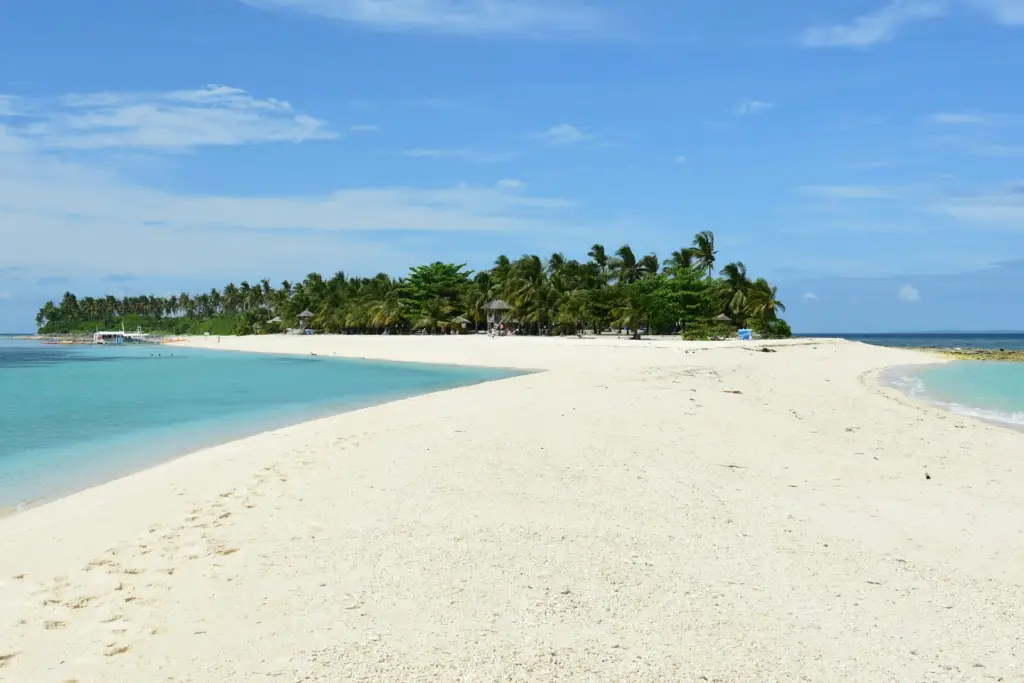
While the world flocks to the white sands of Boracay and the surf breaks of Siargao, there is a different kind of magic waiting in the north. I’ve spent weeks navigating the limestone lagoons of Coron and the hidden beaches of El Nido – two jewels in my larger exploration of Palawan – but the Mountain Province offers a pilgrimage of a different sort. I built this north luzon road trip itinerary for when the air turns crisp, the scent of saltwater is replaced by pine and woodsmoke, and the horizon isn’t a flat blue line, but a jagged silhouette of ancient peaks.
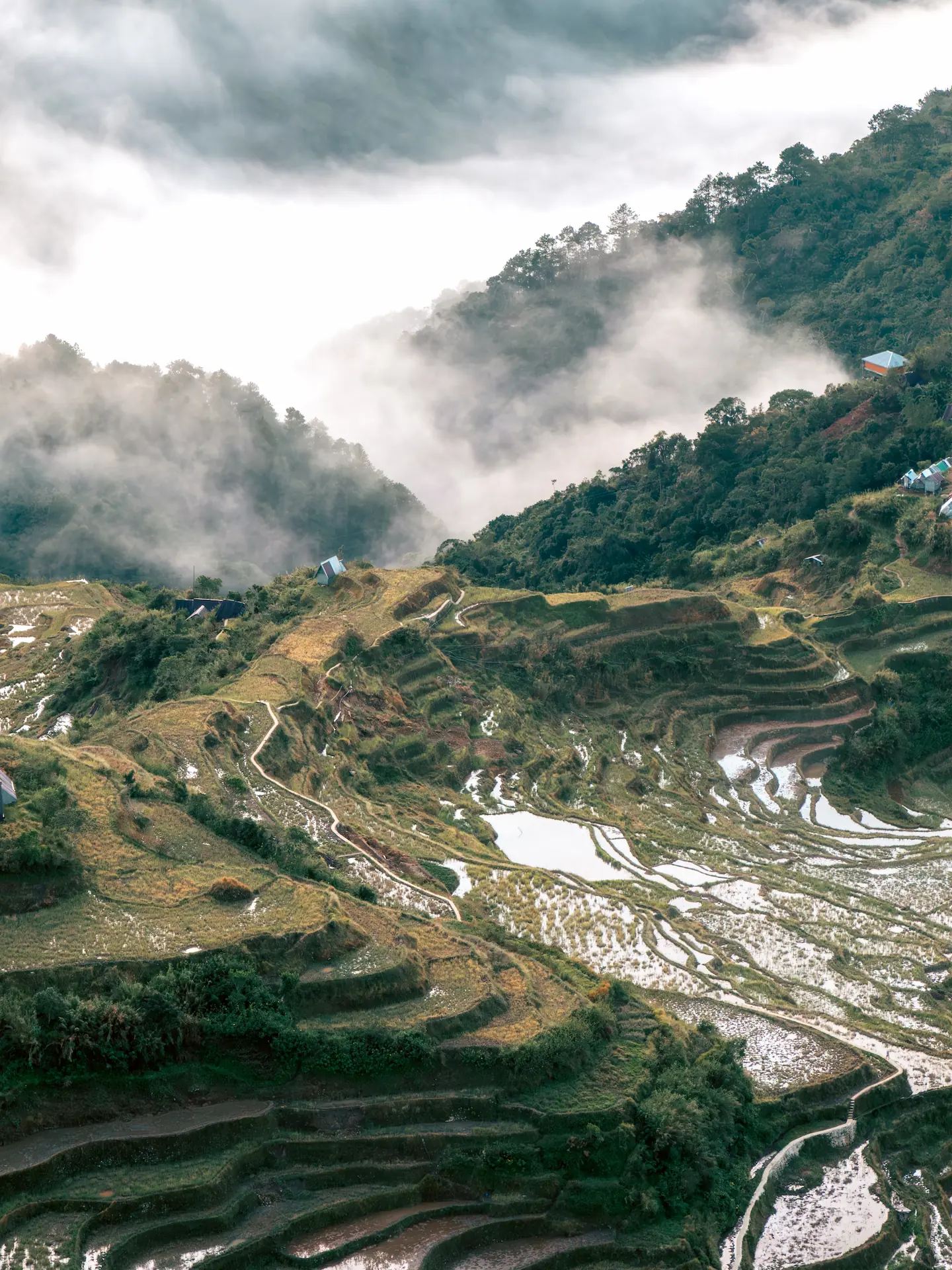
Over the last three years, the Mountain Province has become my annual pilgrimage. There is something about the way the fog hides and then suddenly reveals a mysterious mountain peak that makes you feel like you’ve stepped into another world. This isn’t just a trip; it’s a slow ascent into a culture and landscape that refuses to be rushed.
Quick Facts: The Northern Loop 2026
Before hitting the road, use these quick facts to map out your north luzon road trip itinerary safely.
- The Drive: Allow at least 7–10 days to do the full loop from Baguio to Pagudpud comfortably.
- Road Conditions: The Halsema is well-paved but requires a confident driver, especially during the rainy season when fog is thick.
- Must-Pack: Layers! It can be 15°C in Sagada and 32°C by the time you hit Vigan.
- 2026 Tip: Check for local festival dates (like the Panagbenga in Baguio or Etag in Sagada) as accommodations fill up months in advance.
The Gateway: Baguio and the La Trinidad Transition
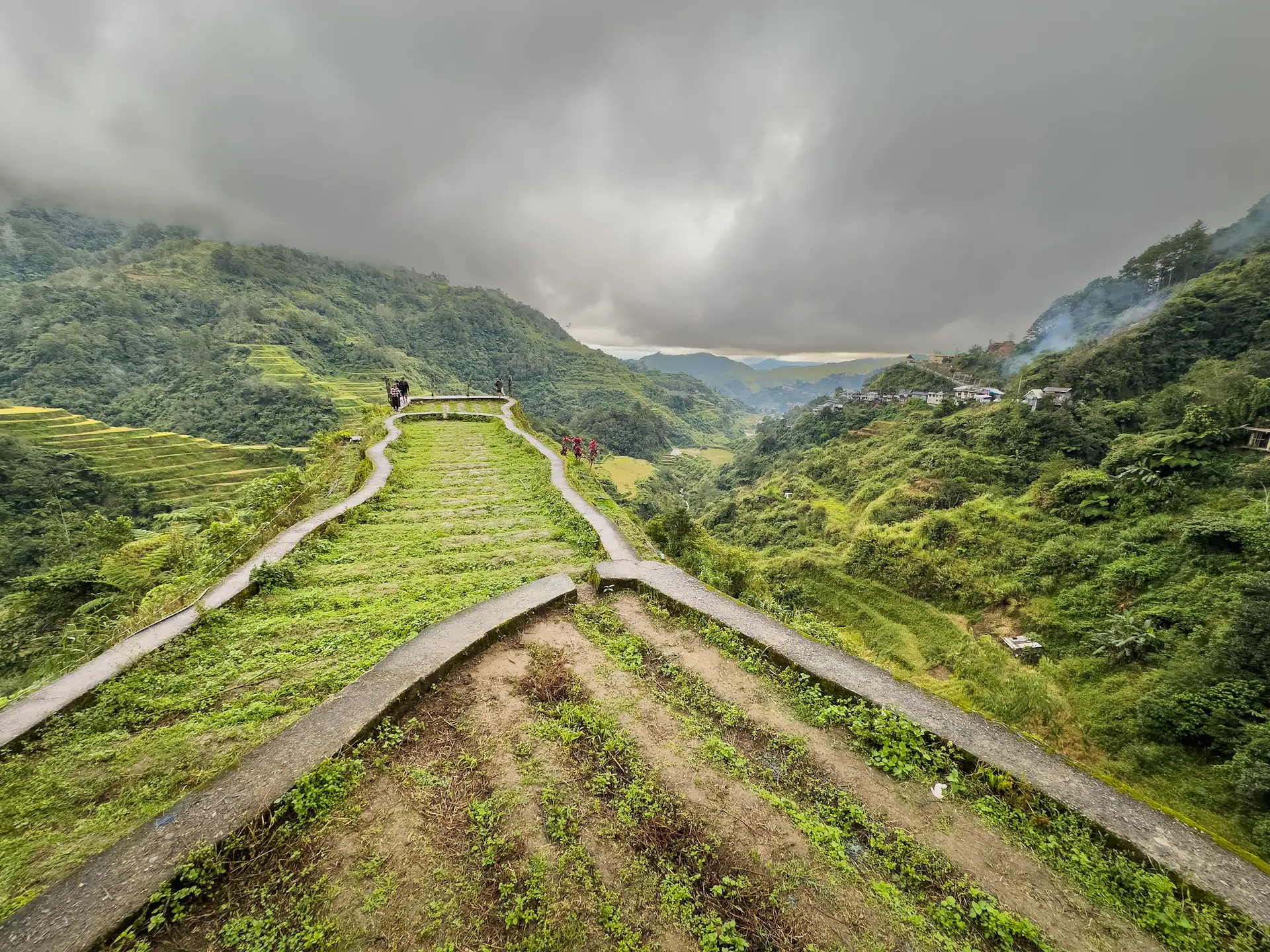
Every journey north begins in Baguio. It’s a unique, bustling contradiction—a city where modern glass and concrete developments are enveloped by a deep-rooted mountain culture. In 2026, Baguio remains the “Summer Capital,” but for me, it’s the gateway.
Passing through La Trinidad feels like a transition point. The bustle of the strawberry farms and the colorful valley houses serve as the final “hello” before the road starts to climb. It’s here that the air changes, and the true adventure begins.
Driving the Halsema: The Highest Point and Beyond
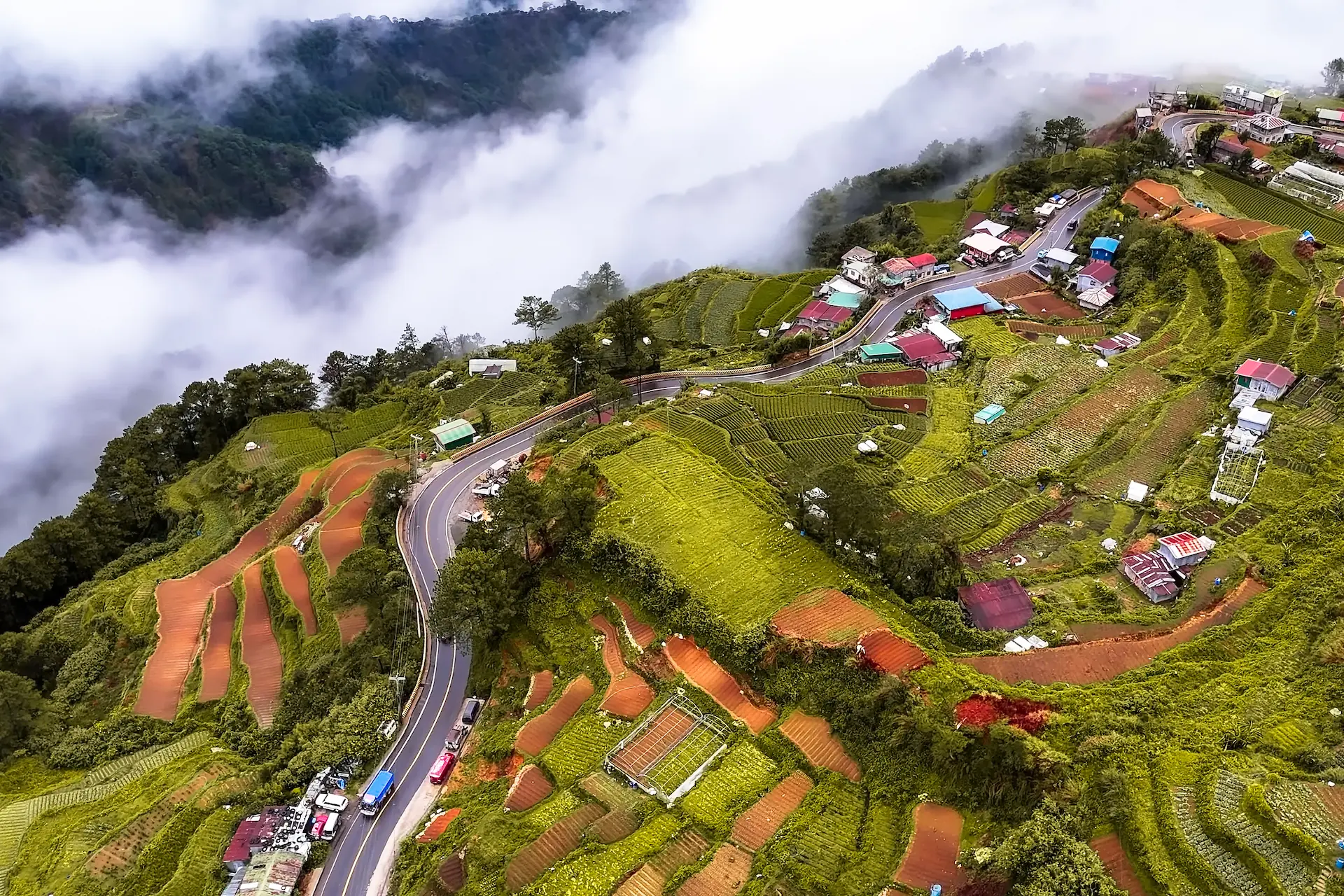
If there is one road every traveler should experience once on a north luzon road trip itinerary, it is the Halsema Highway. Driving this route is a lesson in awe. As you reach the Highest Point of the Philippine Highway System (at over 7,400 feet), you realize just how massive and majestic these mountains truly are.
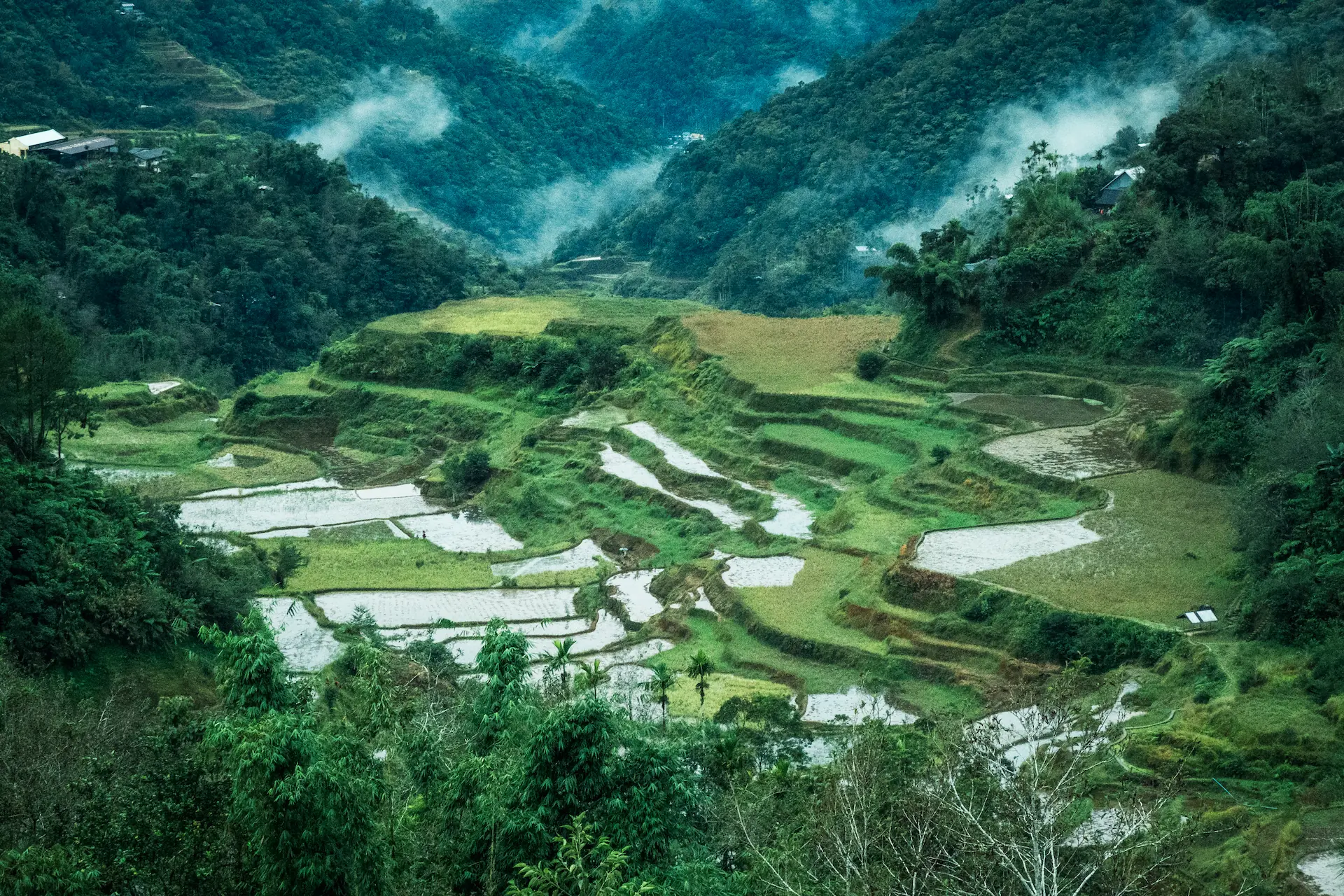
The views are nothing short of breathtaking. One moment you are driving through a dense, white fog that feels like a blanket; the next, the clouds part to show steep slopes carved with ingenious terraces that have stood for thousands of years. It’s a testament to the Cordilleran people—their resilience and their artistry written into the very earth.
Best Stops for Food Along Halsema Highway
No road trip through the Cordilleras is complete without fueling up on local Highland comfort food. As you navigate the winding curves of the Halsema Highway, keep an eye out for these essential stops:
- The “Halfway” Eateries in Atok: Most local buses and vans stop here. Look for small carinderias serving Pinikpikan, a traditional Cordilleran chicken dish, or a warm bowl of Mami to combat the mountain chill.
- Fresh Strawberry Stands: Depending on the season, roadside vendors in Benguet offer the freshest strawberries you’ll ever taste. Don’t pass up the Strawberry Taho if you see a vendor with the signature wooden buckets!
- Highland Coffee Stops: Many small cafes along the route serve authentic Benguet Arabica. It’s bold, earthy, and best enjoyed while staring out at the mist-covered valleys.
The Mountain Circuit: Sagada, Maligcong, and Banaue
Each stop along this route offers a different shade of the Highland heart, and your experience on this north luzon road trip itinerary will vary wildly depending on where you lay your head.
Sagada: The Developed Soul
Sagada is the most established stop on the circuit. It manages a rare feat: offering modern comforts without losing its “mountain mystic” ambiance.
- Expectations: You’ll find paved roads, guided tours that are highly organized, and a vibrant evening scene.
- Where to Stay: There is a wide range here, from cozy guesthouses like Log Cabin to more modern hotels. It’s the place to “recharge” before or after the more rugged legs of the trip.
The Food: This is the culinary capital of the Cordilleras. You haven’t truly experienced Sagada until you’ve had the Lemon Pie from the famous Sagada Lemon Pie House or a hearty dinner at Yoghurt House. In 2026, the farm-to-table movement is huge here—don’t miss the local Etag (smoked pork) pasta for a true taste of the mountains.
Maligcong: The Raw Retreat
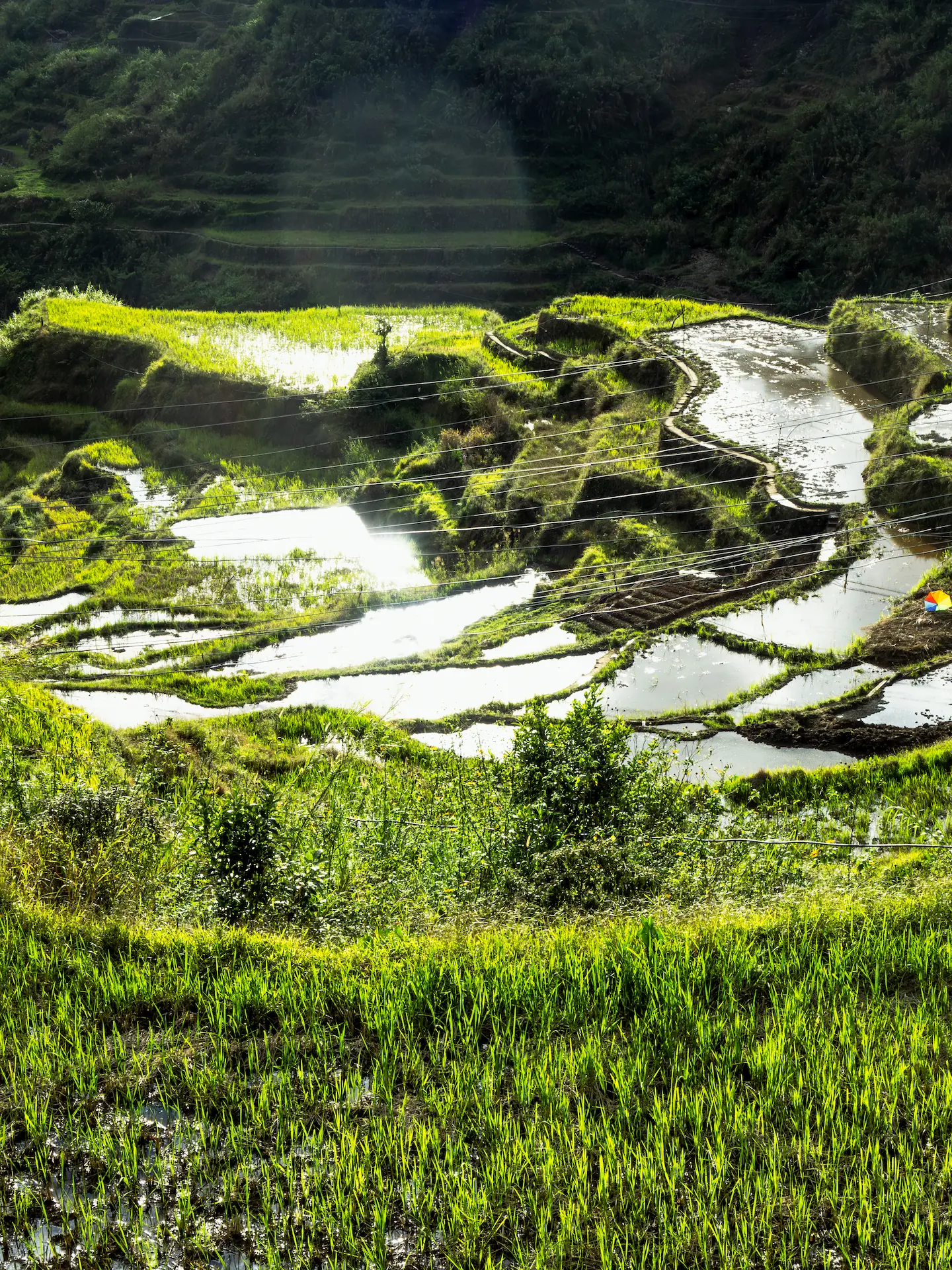
In contrast, Maligcong is for the traveler who wants to disappear. It is the most limited in terms of infrastructure, and that is exactly its charm.
- Expectations: Don’t expect luxury hotels or fancy restaurants. Most accommodations are small, family-run homestays and informal local inns. You’ll likely be eating what the family is cooking.
- The Vibe: It’s quiet, authentic, and focused entirely on the landscape. You come here for the Maligcong Rice Terraces, which are stone-walled and feel much more intimate than those in Banaue. It’s the perfect place to disconnect from your phone and reconnect with the earth.
Banaue & Batad: Living Among the Clouds on a North Luzon Road Trip Itinerary
Banaue and Batad sit somewhere in the middle—a blend of raw heritage and accessible tourism.
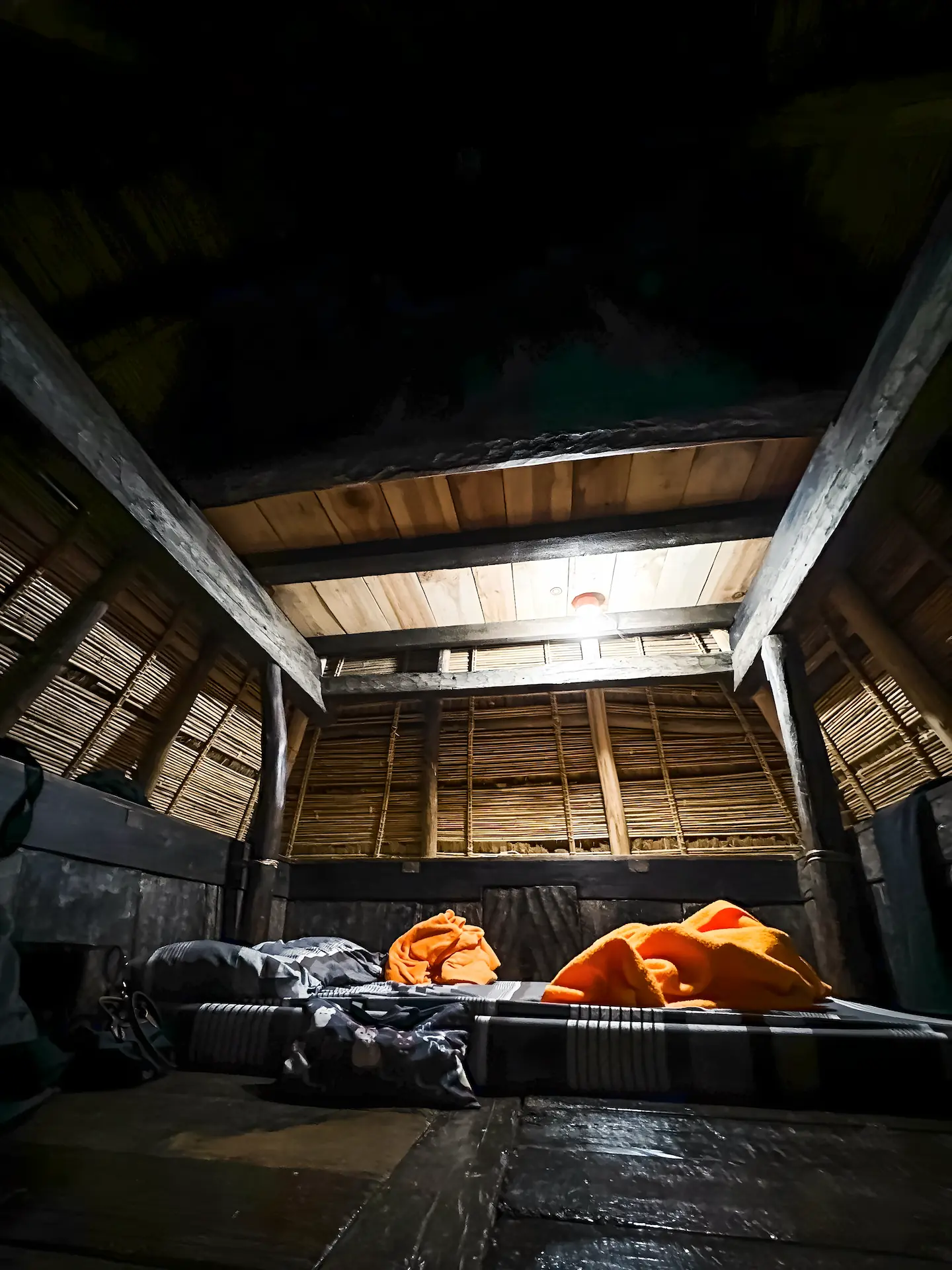
- The Authentic Stay: During my last trip, our family spent two nights at the Hiwang Native House. This isn’t your typical hotel; it’s an authentic structure built to the traditional standards of the mountain people. Staying here is a sensory experience—the smell of the wood, the cool mountain air, and a literal “front-row seat” to the Banaue Rice Terraces. Waking up to that view is something that stays with you long after you’ve left.
- Expectations: In Batad, be prepared for a hike. There are no roads leading directly to the village, so you’ll be walking in. The inns are basic but offer views that are quite literally world-class.
- The Food: Try the native black rice—it’s nutty, filling, and grown right in the fields you’re looking at.
| Location | Vibe | Must-Eat | Stay Type |
| Sagada | Mystical & Social | Yoghurt & Lemon Pie | Boutique Guesthouses |
| Maligcong | Raw & Quiet | Home-cooked Pinikpikan | Local Homestays |
| Banaue | Majestic & Historic | Native Black Rice | Traditional Native Houses |
Artisan Weaving: From Sagada to Vigan
The Philippines’ northern heritage is literally woven into its fabric. If you want to take home a piece of the culture, these are the spots to find the most authentic craftsmanship:
Sagada: The Sagada Weaving House
While Vigan’s weaving is often cotton-based and softer, Sagada Weaving is known for its heavy-duty canvas-like quality, often featuring vibrant reds, blacks, and whites.
- What to buy: Their backpacks, tote bags, and traditional attire (the wanes for men and lufid for women) are iconic symbols of Igorot pride and craftsmanship.
Vigan: The Abel Loom Weavers
In the hidden workshops of Vigan, you can still hear the rhythmic clack-clack of traditional wooden looms. Abel Iloco is famous for its durability and intricate geometric patterns.
- Pro Tip: Look for the Rowilda’s or Cristy’s weaving centers to see the artisans in action and buy blankets or table runners directly from the source.

The Far North: Vigan, Bangui, and Pagudpud
For those who keep driving, the mountains eventually give way to the rugged coastline of Ilocos.
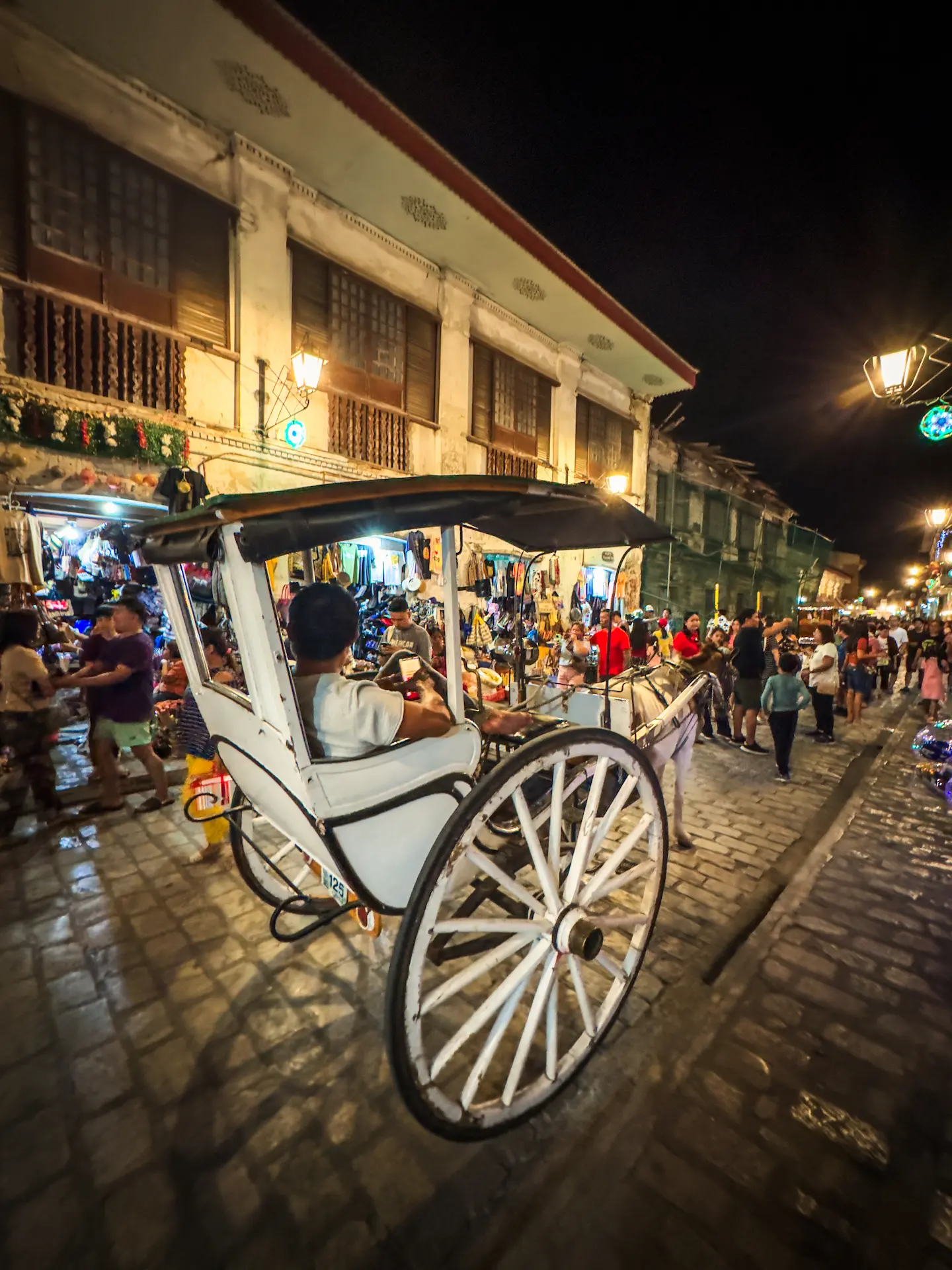
- Vigan: Walking the cobblestones of Calle Crisologo at night feels like time-traveling. The Spanish colonial architecture is a stark, beautiful contrast to the tribal heart of the mountains.
- The Bangui Windmills: Seeing these giant white turbines spinning against the backdrop of the West Philippine Sea is a modern marvel.
- Pagudpud: The “Boracay of the North.” It’s less about the social scene and more about the raw, windy beauty of Saud Beach and the Patapat Viaduct.
Final Thoughts: Why the North Matters
We spend so much time chasing the sun and the sea that we forget the soul-cleansing power of the mountains. The Mountain Province doesn’t try to impress you with neon lights or curated luxury. It impresses you with its scale, its history, and its silence.
Driving the Halsema Highway over the last three years has taught me that the best views on a north luzon road trip itinerary aren’t the ones you find on a map—they’re the ones that reveal themselves when the fog finally lifts.
Frequently Asked Questions: Road Tripping the Cordilleras
Yes, the Halsema Highway is now fully paved and much safer than its old reputation suggests. However, it is extremely winding with steep drop-offs. Ensure your brakes and tires are in top condition before leaving Baguio, and avoid driving at night due to heavy fog (locally called lipu-ot).
The peak blooming season for the Northern Blossom Flower Farm is usually from January to April. If you visit in December (like I did!), you will still see beautiful greenery and some early blooms, but the full “sea of flowers” is best in the first quarter of the year.
Expect the drive to take anywhere from 5 to 6 hours, depending on how many times you stop for photos at the Highest Point or for a coffee break in Atok. It’s a journey meant to be savored, not rushed!
No, most weaving centers like Rowilda’s are open to the public. You can usually walk in and watch the artisans at work for free, though it is polite (and hard to resist!) to purchase a souvenir or leave a small tip for the weavers.
Even if it’s sunny in the lowlands, the temperature drops significantly as you climb. Pack layers: a light jacket, a bonnet, and comfortable walking shoes. Also, keep some motion sickness mints handy for those famous “Halsema curves!”
Explore more of the Archipelago:
If the rugged peaks of the North have stirred your curiosity, you might also enjoy my journeys through the turquoise waters of the South. Explore my complete guide to Palawan, or dive into the specific shores of Coron, El Nido, and Siargao.