I didn’t discover Dumaguete the way most travelers do. I grew up here.
From kindergarten through my early high school years at Silliman University, this city shaped the way I see the world. It was in the quiet corners of the university library that I first learned of a life beyond the Philippines. Starting in Grade 7, I became completely addicted to books—literature, history, fiction—averaging three a week. By the time I finished grade school, I had already traveled the globe and crossed different eras in my nightly readings.
Coming back now—with roots in both Bacolod and Iloilo and a deep appreciation for the region—I see Dumaguete for what it really is. It isn’t flashy or overwhelming; it is quietly, consistently… livable. I put together this dumaguete city guide to capture that exact soulful, coastal rhythm.
A City of Intellectual Calm
Dumaguete is a university town in the truest sense. With students making up nearly 30% of the population, the city pulses with an intelligent, well-educated energy. It reminds me of my university days at UP Diliman, but with a unique coastal soul.
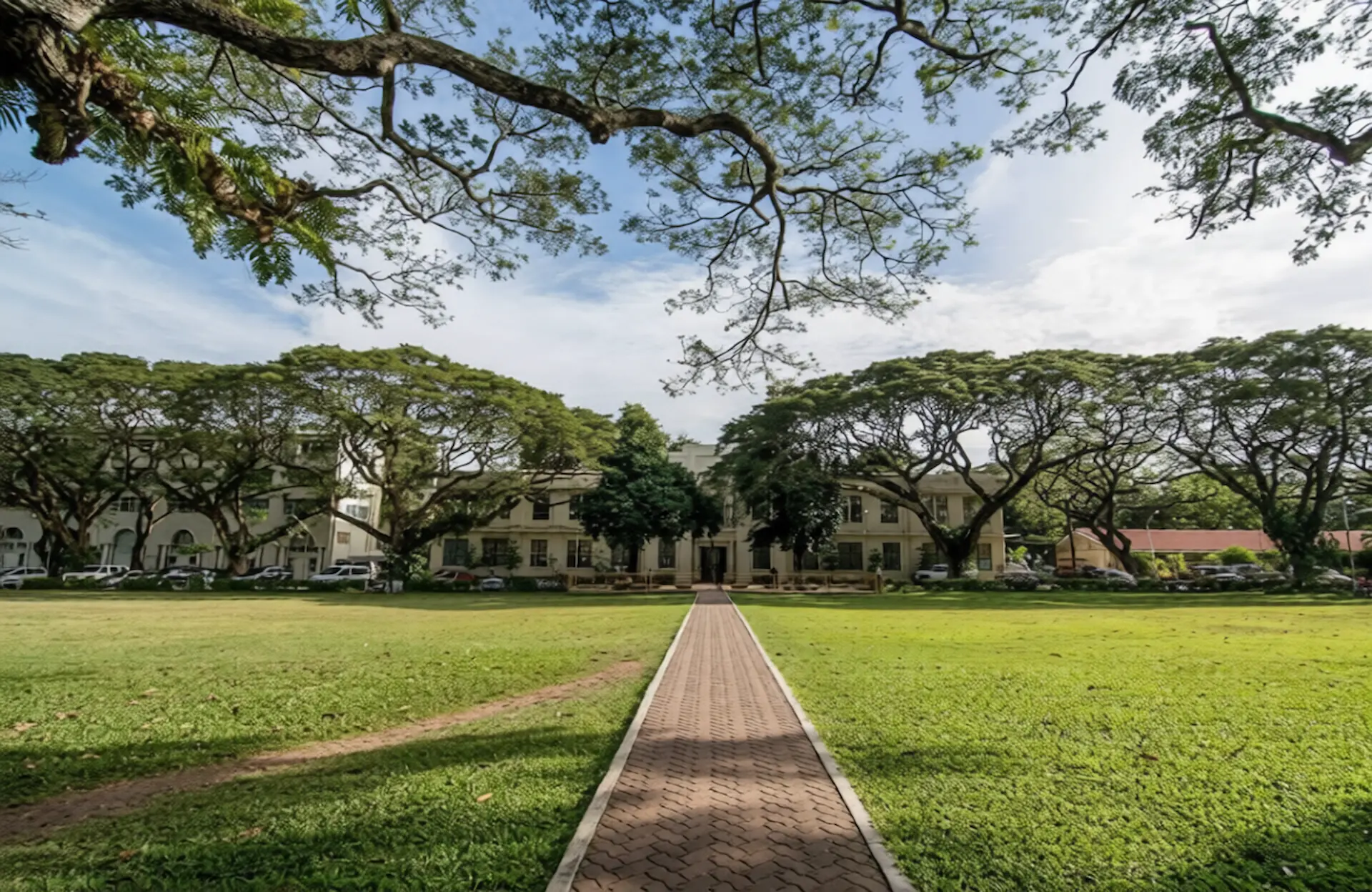
At Silliman, the setting is singular—the center of the city is dominated by the university’s strategic presence, framed by palm trees you won’t find at the major institutions in the capital. This blend of academic culture and seaside tranquility makes it an easy city to live in. People are polite, the streets are peaceful, and the entire city is remarkably walkable.
The Rhythm of the Boulevard
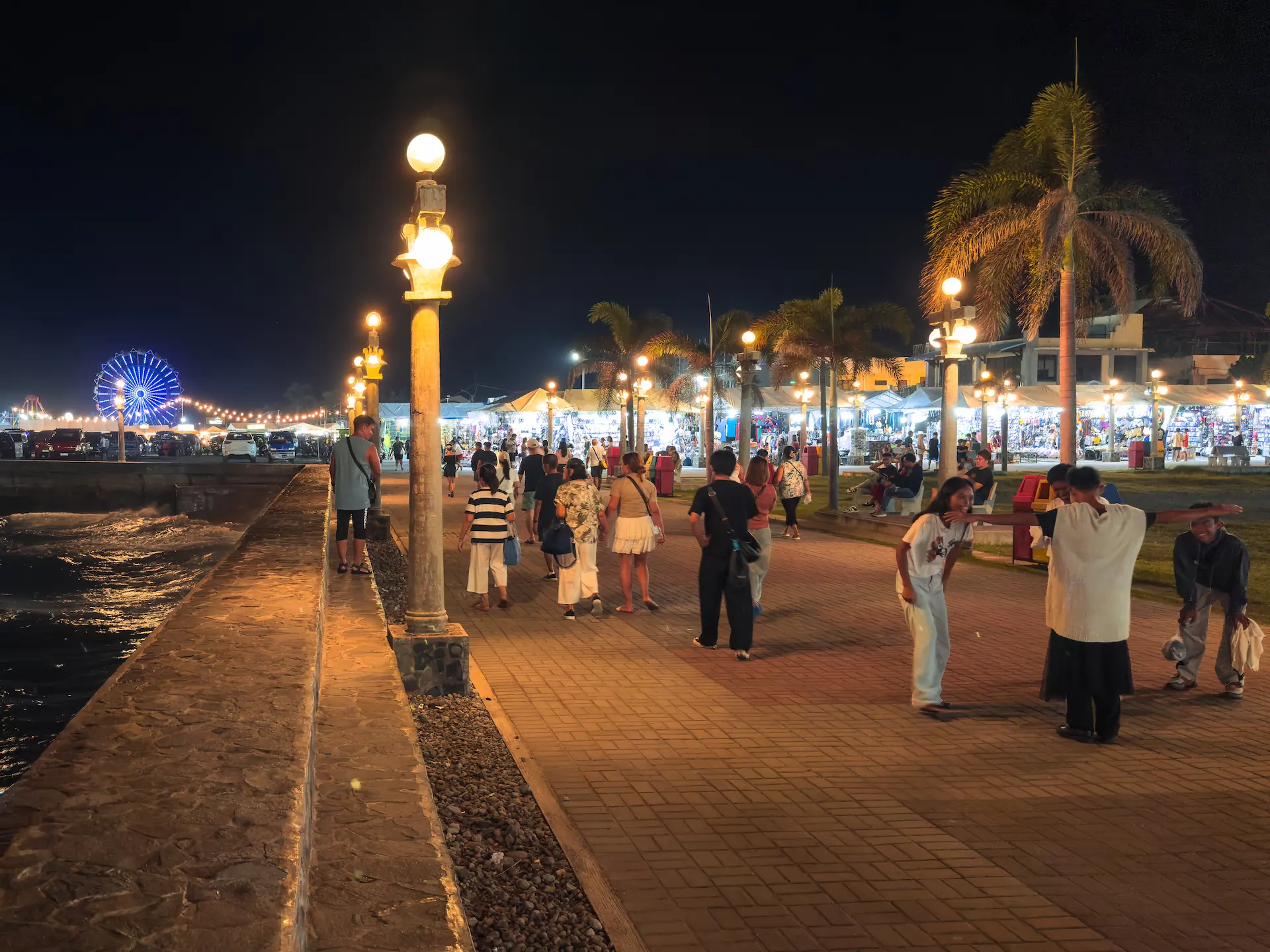
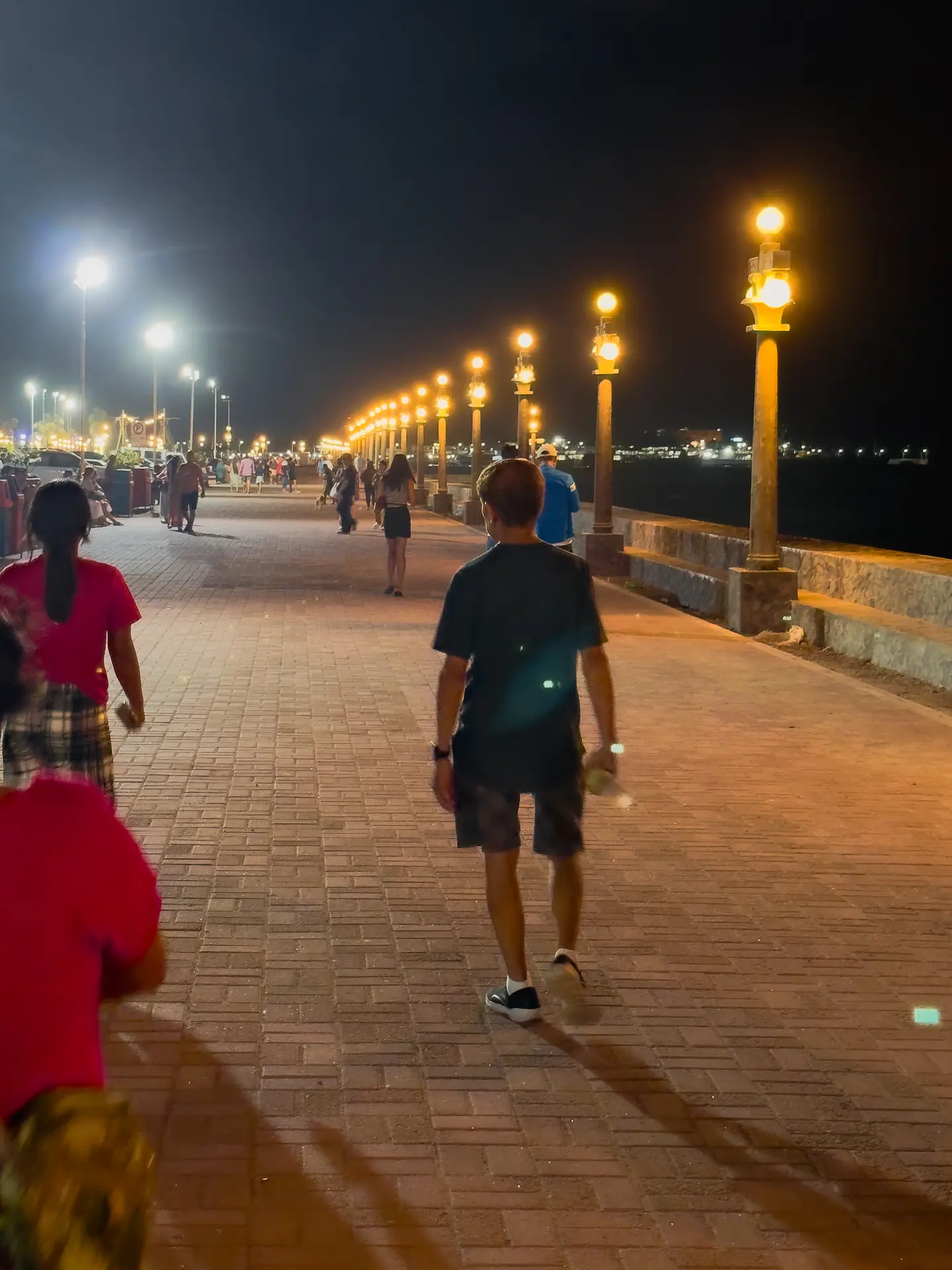
Locals simply call it “The Boulevard.” Rizal Boulevard still holds some of the best sunsets I can remember. Today, it has grown into a celebrated social hub where the city comes to breathe. You’ll see people jogging, students sitting by the water, and friends sharing a meal as the light hits that specific dusk hue over the sea.
In April 2026, new local guidelines were introduced to preserve this peaceful atmosphere, ensuring the Boulevard remains a family-friendly space. It’s a small detail, but it reflects the city’s commitment to maintaining its “gentle” character even as it grows. One of the greatest luxuries of daily life here is this ease of movement; unlike the heavy traffic of Cebu or Manila, Dumaguete allows you to traverse the city without stress.
A Global Retirement Heavyweight
It isn’t just local nostalgia that keeps Dumaguete on the map. In early 2026, global platforms officially recognized Dumaguete as one of the top four most budget-friendly retirement destinations in Asia.
It is frequently mentioned alongside Iloilo City as the gold standard for Philippine living. Having spent a significant amount of time in both, I see why. Both cities are anchored by massive student populations and top-tier university hospitals. But while Iloilo offers a more modern, urban toolkit, Dumaguete remains the favorite for those who prioritize a walkable, coastal lifestyle. If Iloilo is the Visayas’ sophisticated urban center, Dumaguete is its soulful, seaside intellectual heart.
A Coastal Gateway with Hidden Depth
While Dumaguete is grounded, any comprehensive Dumaguete city guide must show that it serves as a natural gateway to some of the most unique landscapes in the Philippines:
- Apo Island: A world-class marine sanctuary and a truly special place for sea turtles.
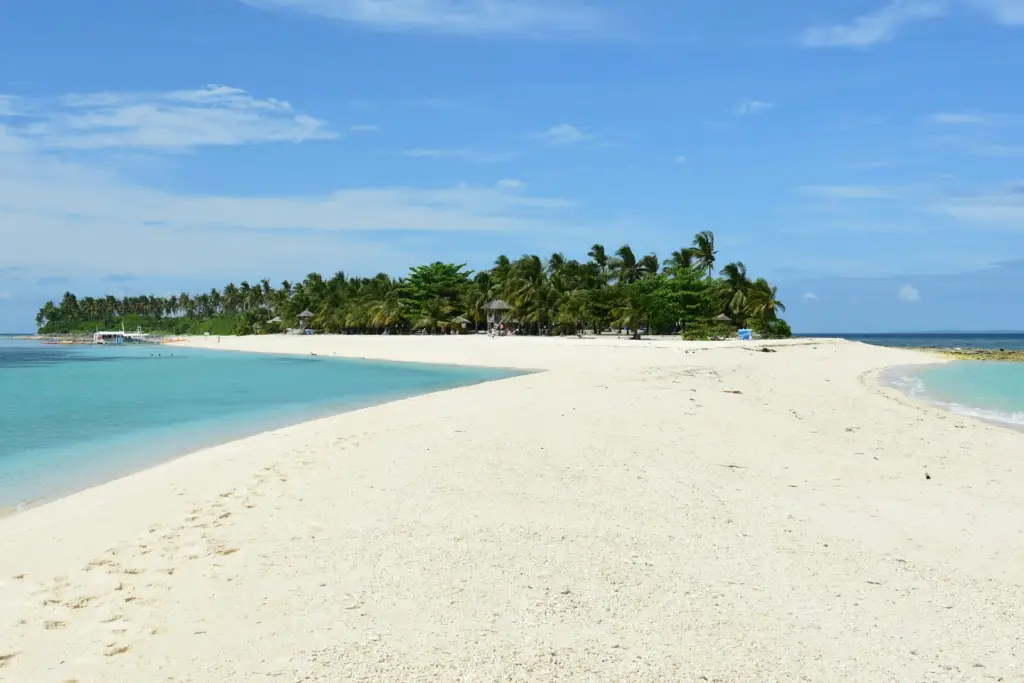
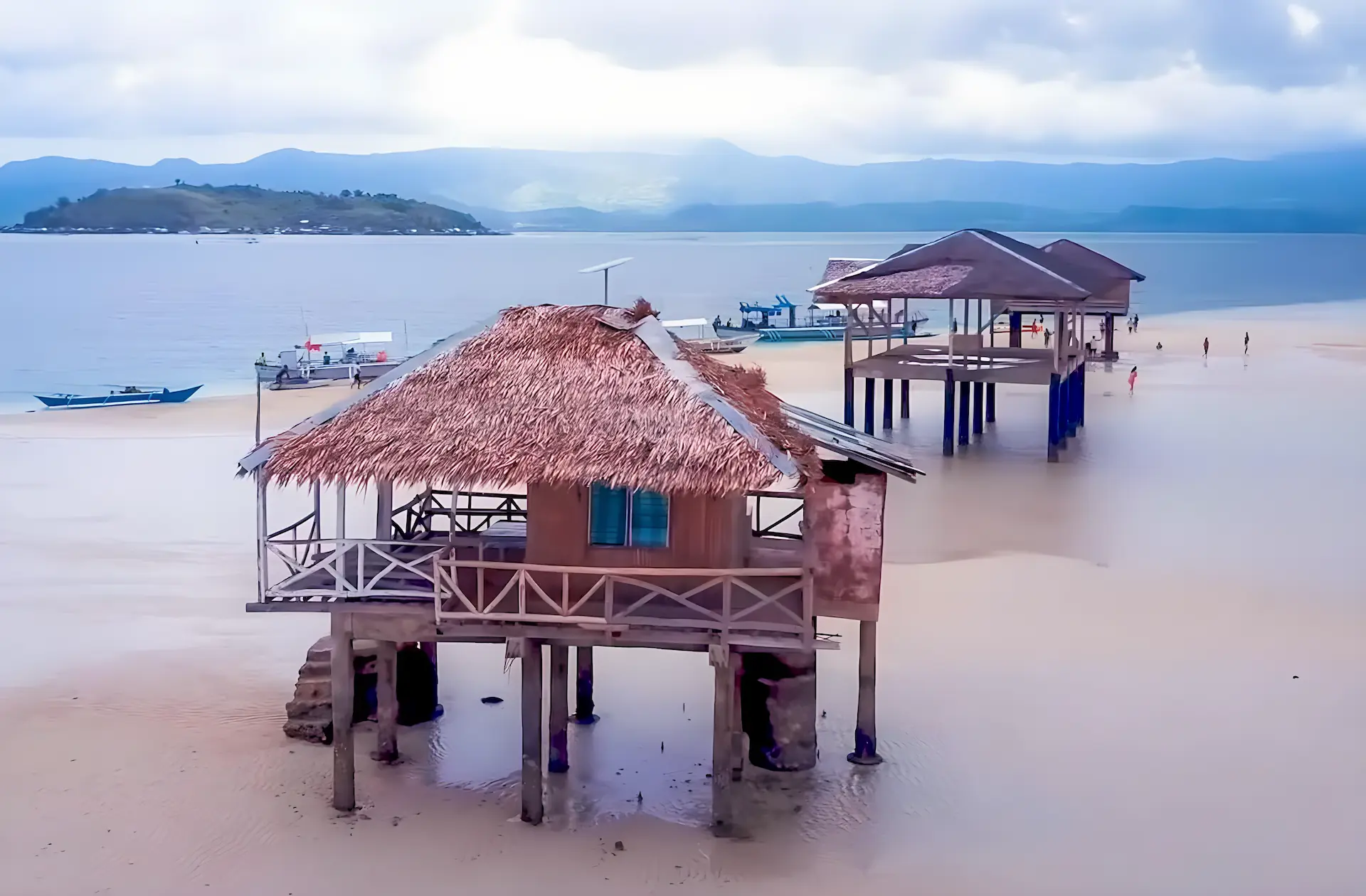
- Manjuyod Sandbar: Often called the “Maldives of the Philippines,” this vast white stretch emerges from the blue like a dream.
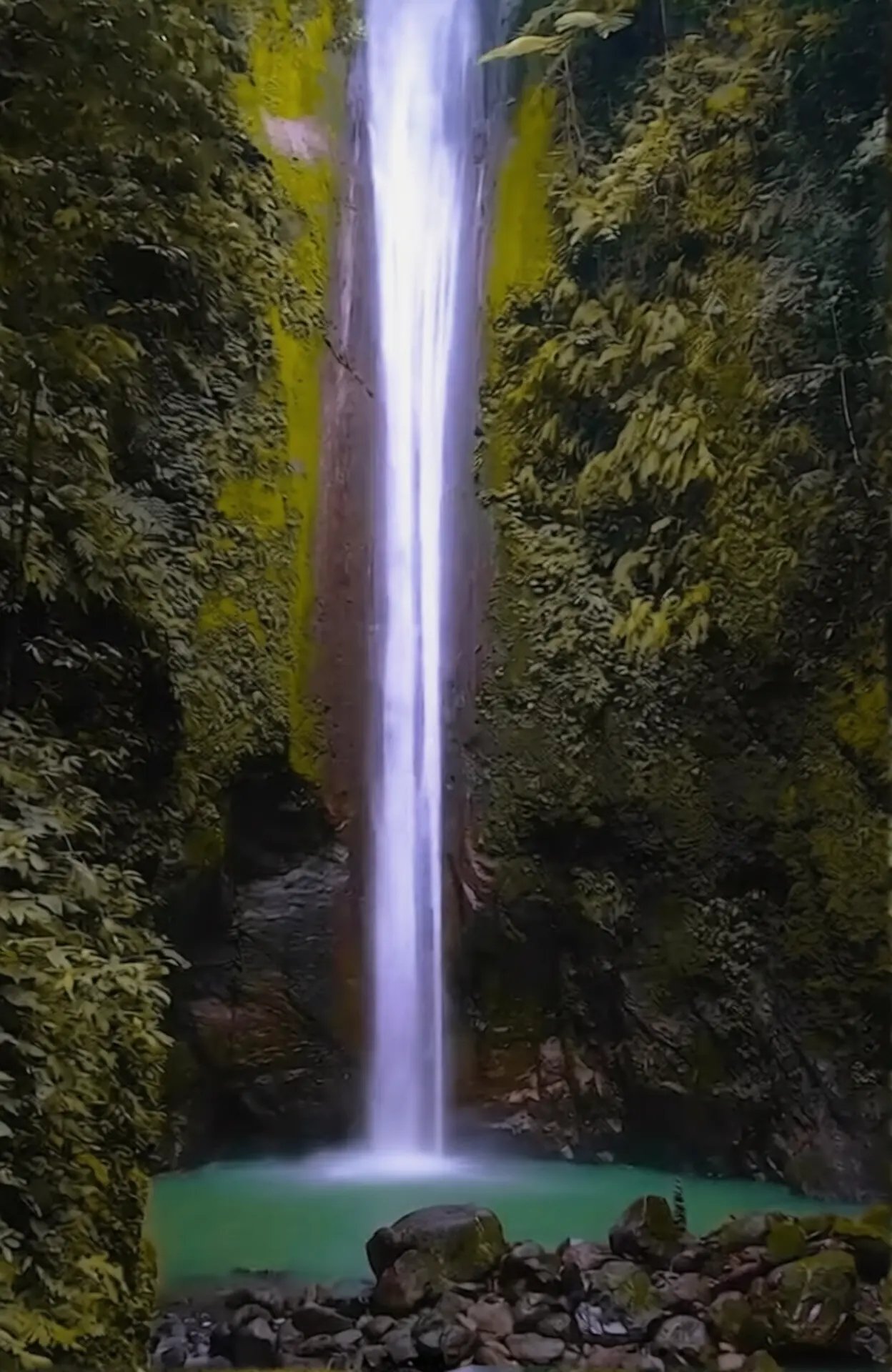
- Casaroro Falls: Located in nearby Valencia, this powerful waterfall offers a refreshing break from the coastal heat.
- The Diver’s Secret: Just minutes away in Dauin, the muck diving is considered some of the best in the world.
The Practicalities of “Staying Longer”
The city’s soul remains unchanged even as it develops. As Negros Island leans further into its identity as a “Green Energy” hub in 2026, the focus on sustainable, solar-powered infrastructure is becoming part of the local landscape. It remains one of the most affordable hubs in the country:
- Travelers: Expect to spend $20–$50/day (Budget) or $60–$120/day (Mid-range).
- Long-term Living: A comfortable lifestyle can be maintained for $1,000–$2,000/month.
Crafty Sparrow Tip: The Slow Reveal
My advice? Stay longer than planned. This isn’t a destination that reveals its soul immediately; this Dumaguete city guide is best experienced through unhurried routine. If you can, visit in October during the Buglasan Festival—the “Festival of Festivals”—to see the full vibrant culture of the province on display.
The best time to visit is during the dry season from November to May. Pack light, bring comfortable walking shoes, and keep a light rain layer for your inland adventures.
Final Thoughts
Compared to the commercial intensity of Boracay or the rugged drama of Siargao, Dumaguete is structured and balanced. It’s a city that doesn’t try to impress you—it simply grows on you. For me, it’s where things began. It’s where I first traveled the world through pages of a book, and after all these years, in many ways, it still feels like home.
Dumaguete City Guide: Frequently Asked Questions
Absolutely. Dumaguete is consistently ranked as one of the safest cities in the Philippines. Both locals and visitors generally feel secure walking the city streets, even after dark.
From Manila, there are direct flights daily to Sibulan Airport (DGT). From Cebu, you can take a fast ferry via Tagbilaran or a scenic bus-and-ferry combo from the South Bus Terminal.
Infrastructure has improved significantly. Most modern cafés and hotels offer fiber-optic speeds from 50 Mbps to 100 Mbps. Local 5G coverage is very reliable in the city core.
Very much so. With 30% of the population being students, English is a primary language for business and education. Communication is easy everywhere you go.
The motorized “pedicab” is the most common and affordable way to get around, though the city is remarkably walkable. For day trips, renting a scooter is a popular choice.
Yes. Recently named a top budget-friendly destination in Asia for 2026, it offers high-quality healthcare (Silliman Medical Center) and a low cost of living.