Why the Sony A7C Remains the Ultimate Tool for Hiking, Landscape, and Travel
With every new camera release, the marketing machine does its best to make us feel like our current gear is instantly obsolete. We are bombarded with promises of AI-driven autofocus, towering megapixel counts, and cinema-grade video specs. After years on the trail, I’ve found that choosing the Sony A7C for hiking completely changed how I balance weight and image quality.
But as the release cycles spin faster, I keep returning to one fundamental question: Do these upgrades actually change the final image for the way I shoot?
Five years after its initial release, I am still shooting with the original Sony A7C. Despite the temptation of newer models, this compact full-frame body remains my absolute go-to for heavy hiking, landscape, and travel photography.
The reason is simple: for the reality of the trail, the Sony A7C isn’t just “enough”—it might still be the smartest choice on the market. Here is why.
Why the A7C for Hiking Beats the Spec Sheet on the Trail
From a hiking standpoint, camera specs don’t mean a thing if the body is too heavy to leave your backpack. When you are climbing alpine terrain, covering serious distance, and already balancing the weight of food, water, and safety gear, every single ounce becomes your enemy.
This is exactly why I chose the A7C for hiking, and why it has earned its permanent spot in my pack. This camera has been my constant companion through:
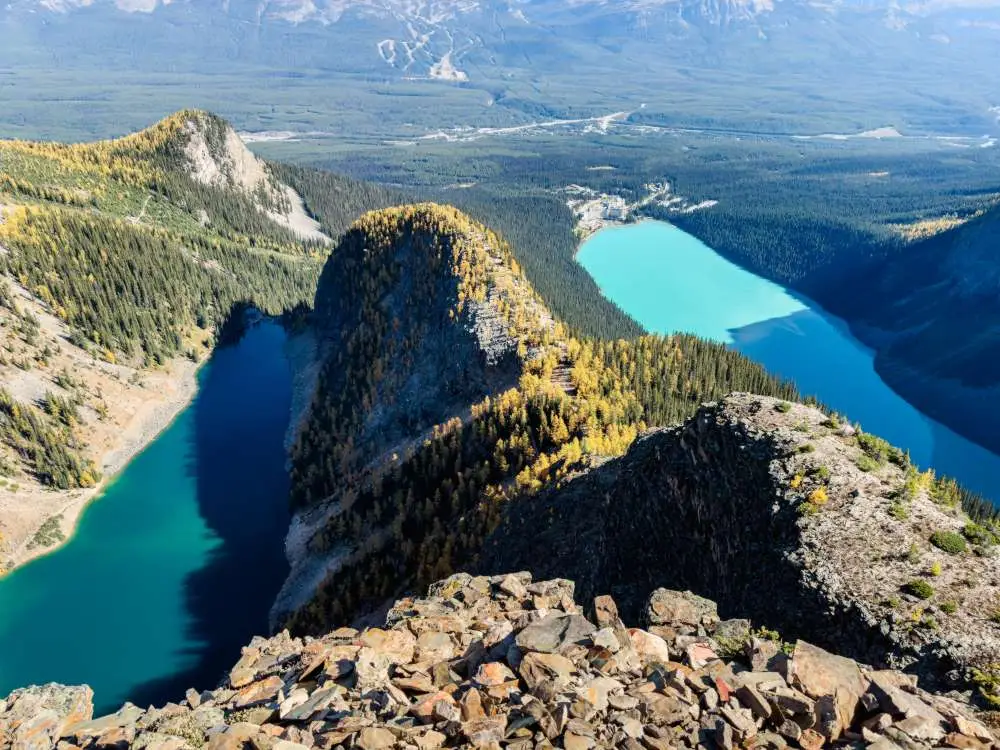
The high-altitude trails of the Canadian Rockies
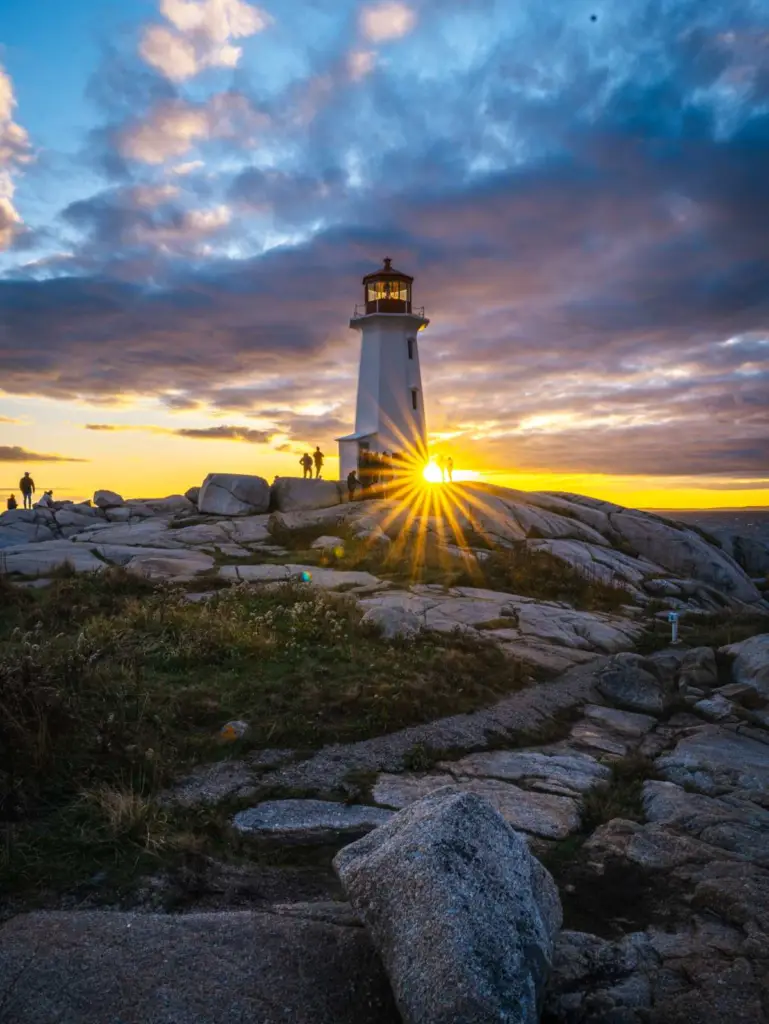
The windswept, rugged coastlines of the Cabot Trail
The dramatic, unforgiving terrain of Gros Morne National Park
And hundreds of kilometers of grueling backcountry treks in Algonquin Provincial Park
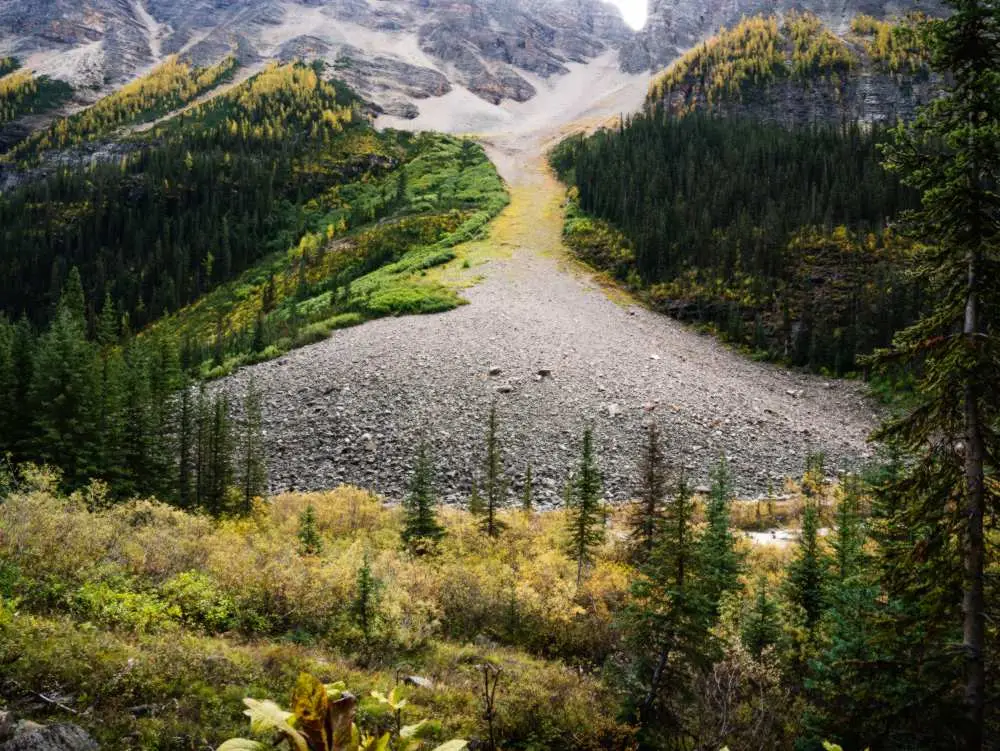
That last location is a perfect case in point. Algonquin isn’t about short, scenic roadside lookouts. It’s about distance, repetition, and endurance. It’s about hoisting your pack over and over again through dense forests, deep mud, sudden elevation changes, and unpredictable weather.
By kilometer fifteen, you feel every single gram of your gear. A technically “superior” camera body that adds substantial weight might win on a spreadsheet, but it loses on the trail. The compact form factor of the A7C keeps full-frame quality in a body that feels like an APS-C, striking a balance that keeps me shooting instead of nursing a sore shoulder.
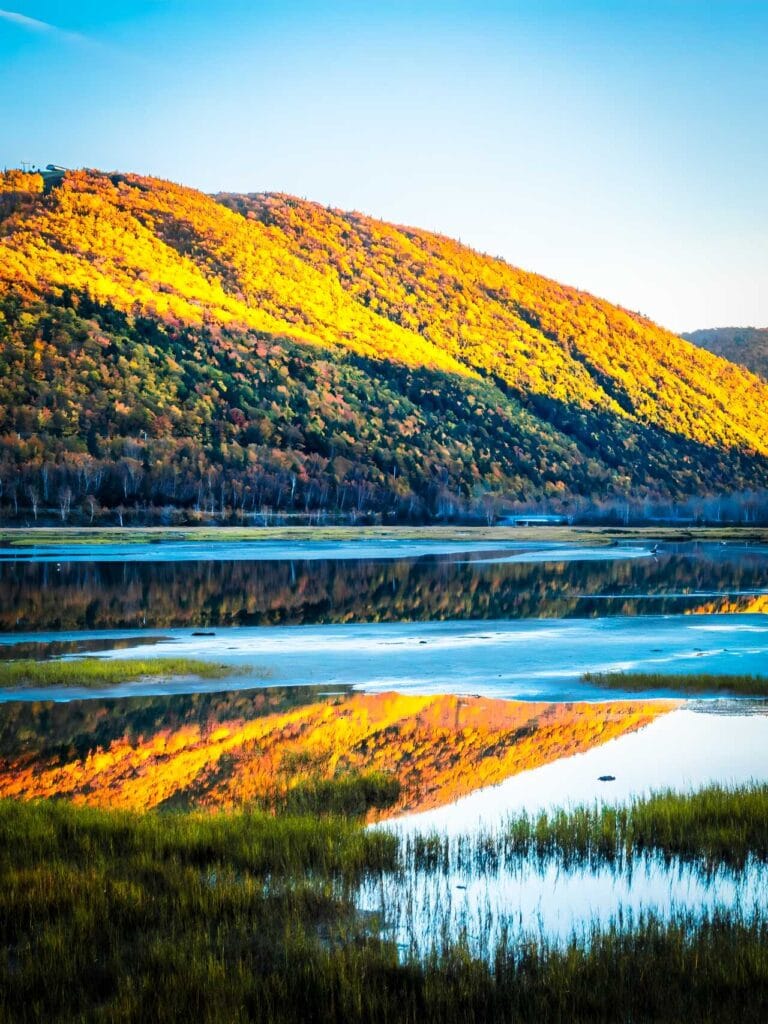
Landscape Photography: The Fundamentals Don’t Age
When you strip away the marketing fluff, exceptional landscape photography still relies on three timeless pillars: dynamic range, color depth, and lens selection.
The Sony A7C for hiking relies on a 24.2MP full-frame sensor that excels in all three, even by today’s standards. In real-world trail conditions, this translates to tangible advantages:
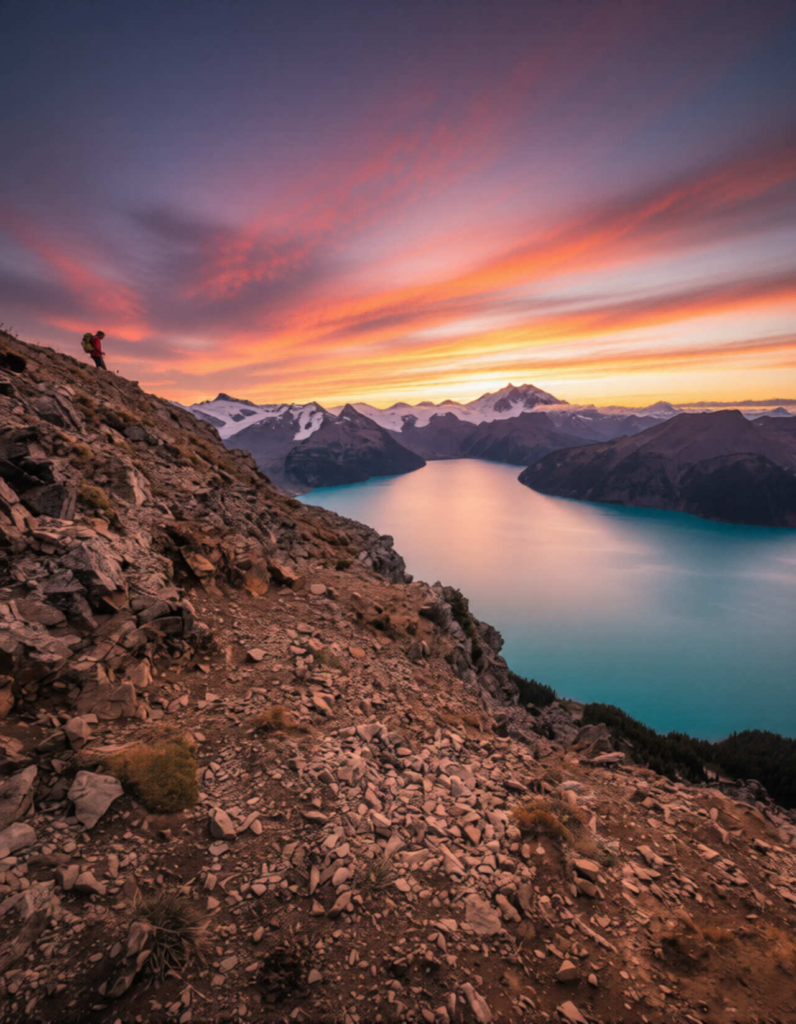
Shadow and Highlight Recovery: When shooting high-contrast sunrises over alpine peaks or sunsets across quiet northern lakes, the dynamic range allows you to pull clean details out of deep shadows without introducing nasty noise.
The 24MP Sweet Spot: While 60-megapixel files sound impressive, they come with a hefty tax: massive storage requirements, slower editing workflows, and less forgiveness with minor lens imperfections. For beautiful gallery prints and intentional cropping, 24MP remains incredibly capable.
        SONY A7C: THE REAL-WORLD BALANCE

[ LIGHTWEIGHT BODY ] ---> Less fatigue on 20km+ backcountry hikes
[ 24MP RAW SENSOR  ] ---> Exceptional dynamic range & manageable files
[ E-MOUNT ECOSYSTEM] ---> Access to ultra-compact, high-end prime lenses
Why RAW Files Level the Playing Field
There is a dirty secret in the camera industry that often gets overlooked: if you shoot in RAW, the gap between sensor generations narrows drastically.
If you rely entirely on out-of-camera JPEGs, newer processors will give you slightly smarter color science and better noise reduction right out of the box. But if you take control of your own editing workflow, the equation changes entirely.
Because you are the one controlling the color grading, exposure curves, and contrast, you aren’t relying on the camera’s internal processing engine. For static compositions like landscapes, mountain vistas, and travel scenes, the final edited RAW file from an A7C is virtually indistinguishable from a camera costing twice as much today.
Travel Photography: Small, Discreet, and Capable
When you transition from the backcountry to the city, opting for the Sony A7C for hiking pays secondary dividends as it shifts roles effortlessly. Travel photography requires a tool that is highly capable but entirely non-intimidating.
The rangefinder-style design of the A7C makes it look like a casual vintage camera rather than a massive, aggressive piece of professional studio gear. It doesn’t draw unwanted attention in crowded public squares or quiet local markets. Paired with a small prime lens or a compact travel zoom, it’s a setup you can comfortably carry in one hand all day long without a second thought.

The Value Proposition: What Are You Sacrificing?
Let’s be entirely fair—the Sony A7C isn’t flawless. To get it into this form factor, Sony had to make some compromises:
- The electronic viewfinder (EVF) is undeniably small.
- The external physical controls are limited, requiring you to use the menus a bit more.
- The menu system is the older Sony generation, which takes some getting used to.
- While the tracking autofocus is excellent, it lacks the newer AI-driven subject recognition found in recent bodies.
If your primary focus is fast-moving wildlife, professional sports, or heavy commercial video production, these limitations are valid reasons to look at an upgrade. But if you are a hiking, travel, or landscape photographer? Those missing features barely impact your workflow.
Instead of sinking thousands of dollars into an incremental camera body upgrade, that capital is far better spent on high-tier glass or park permits and travel experiences that actually improve your imagery.
Beyond the Brand: The Tool Must Match the Terrain
While my journey over the last half-decade has been anchored by the original Sony A7C, this isn’t an exclusive love letter to one specific camera body.
The truth is, the specific brand or sensor size stamped on your camera doesn’t change the fundamental reality of the trail. The market has evolved beautifully, and the core philosophy of a “lightweight, capable companion” extends far beyond a single model number.
In fact, my own gear cabinet isn’t a monument to a single brand—it’s a toolkit. The setup I carry shifts entirely depending on the circumstances, the weather conditions, and the environment I am stepping into:
The Tactile Classic: On days when I want a slower, deeply deliberate creative experience, I often reach for my old Olympus Pen-F. Its Micro Four Thirds sensor allows for incredibly small, lightweight lenses, and its vintage ergonomics bring a distinct joy to the simple act of framing a shot.
The Pocketable Compact: If I am heading out on a grueling backcountry trek where every single gram is being counted, a camera like the compact Canon G5X Mark II is brilliant. Its 1-inch sensor and fixed zoom lens mean I get a massive step up from a phone, packed into a body that slips effortlessly into a jacket pocket.
The Unbeatable Camera: And let’s be entirely honest—there are moments on the trail when the weather turns brutal, the pace quickens, or a fleeting moment happens so fast that the best camera is simply the smartphone riding in my front pocket.
Whether someone is shooting with the original A7C, a newer generation Sony A7C II, a nimble crop-sensor body, or an advanced compact, the underlying philosophy remains identical: the best gear is the gear that removes the friction between you and the landscape.
                        MY PHOTOGRAPHER'S TOOLKIT

   [ MAXIMUM CAPABILITY ] ---> Sony A7C (Full-Frame Dynamic Range & Glass)
   [ CREATIVE JOY ]       ---> Olympus Pen-F (Tactile, Micro 4/3 Portability)
   [ ULTRALIGHT WEIGHT ]  ---> Canon G5X II / Smartphone (Zero Friction)
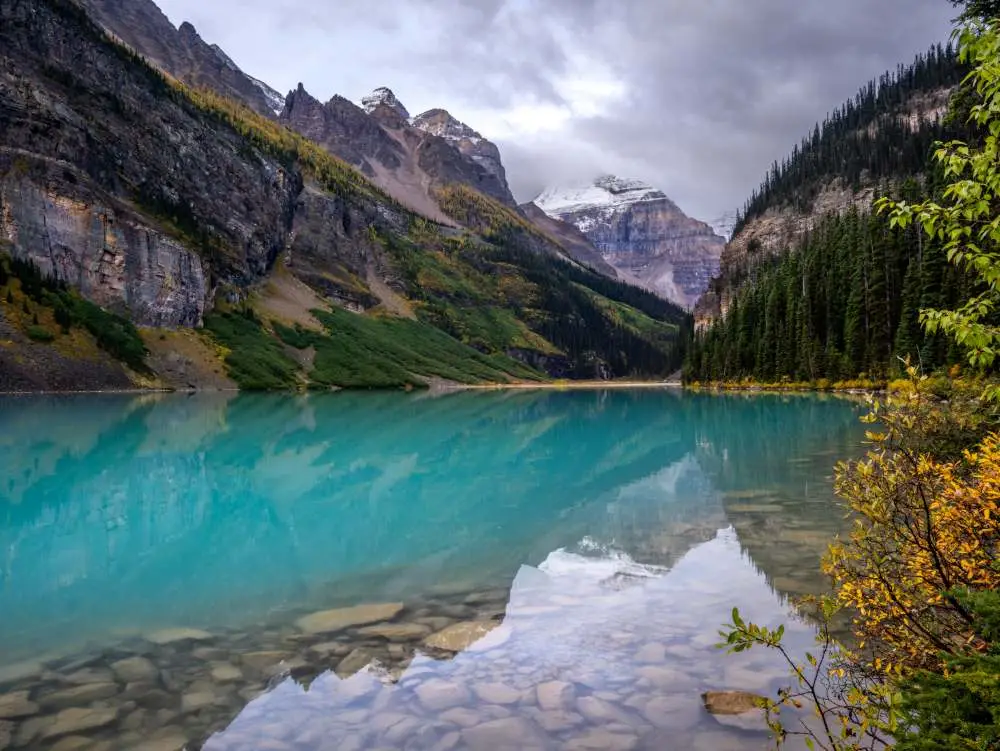
The Art Transcends the Tool
At its core, photography is an act of preservation. It is a deeply personal medium used to capture a specific mood, a shifting light across a valley, or a quiet moment of triumph after a grueling ascent. Those experiences carry an emotional and artistic weight that can never be measured by a spec sheet, a pixel count, or a sensor’s dynamic range rating.
When you look back at a photograph captured at sunrise on an alpine peak, you don’t remember the autofocus algorithm or the menu layout. You remember the biting cold air, the absolute silence of the wilderness, and the sudden warmth of the sun breaking over the ridge.
Photography is an art form—a way to freeze a slice of time and preserve special moments that transcend the technical specs and relentless trends of the industry. If your current camera—whatever it may be—allows you to tell your story and fits the conditions of your journey, ignore the upgrade hype. It is already the perfect tool.