Where Time Starts to Stretch
I didn’t expect Siargao to feel the way it did. If you are reading this Siargao travel guide looking for a heavily commercialized escape, you might be surprised—because Siargao moves differently. I had just come from more structured destinations—places where everything is mapped out for you—but the pace here is slower, the energy more grounded, and the experience feels less curated. You don’t rush here; you settle into it. Over five days, I found myself doing less—and somehow experiencing more. Coming from the structured landscapes of the North, Siargao was a lesson in letting go.
What stood out to me wasn’t just the scenery; it was the rhythm of daily life. Mornings started easy with coffee somewhere along Tourism Road, watching scooters pass by and surfers heading out. Afternoons were for exploring quiet roads lined with coconut trees and taking small detours that turned into highlights. And then evenings slowed everything down again. Siargao isn’t about checking places off a list; it’s about how it feels to be there.
Siargao 2026: Quick Facts Sidebar
The Basics
- Best Time to Visit: For surfing, head there from August to November. For the best overall weather, aim for March to June.
- Ideal Duration: 4 to 6 days allows you to settle into the island’s slow rhythm.
- Getting Around: While motorbikes offer the most flexibility, hiring tricycles is a great, refreshing option for groups or those traveling with seniors.
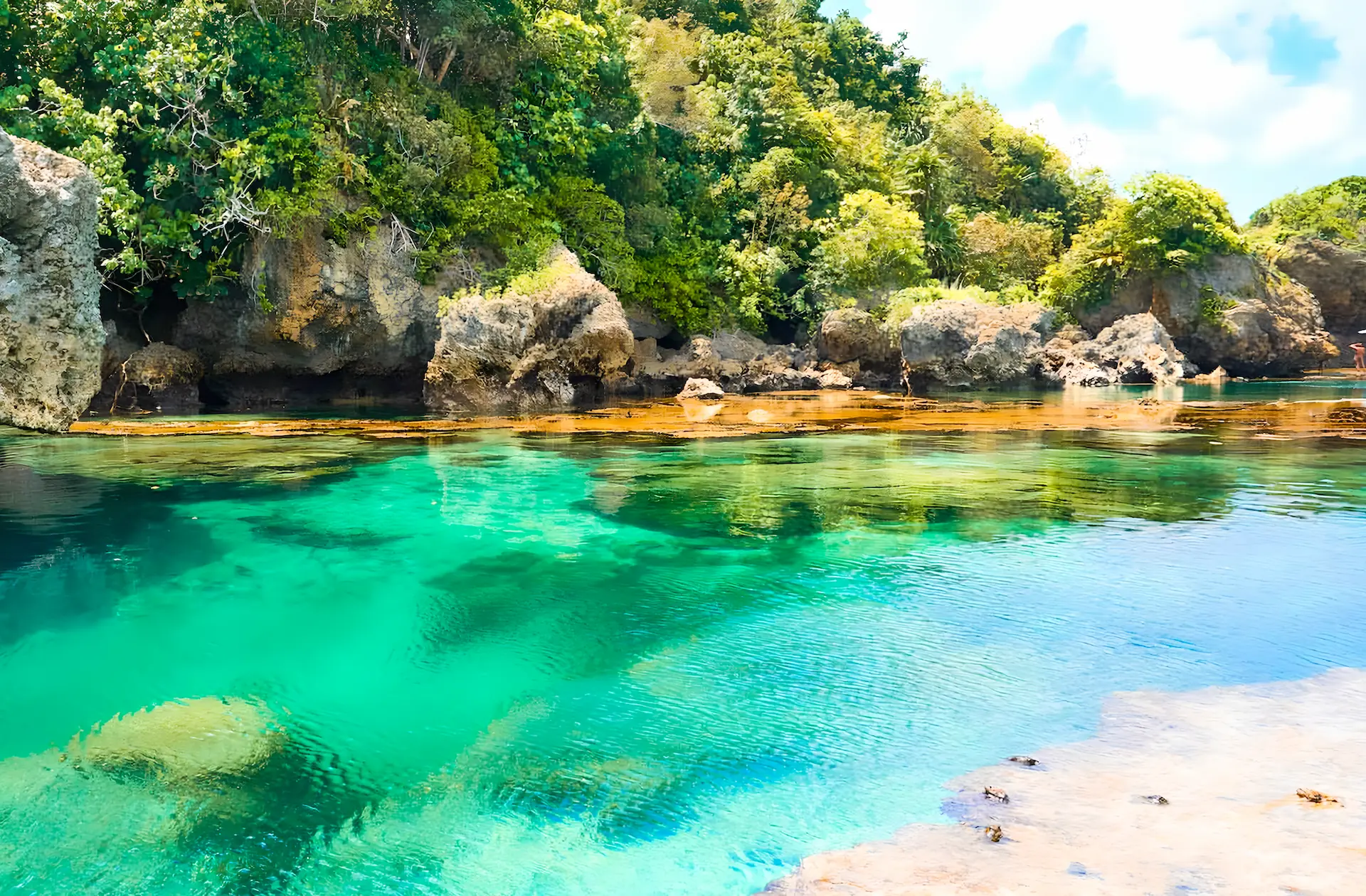
- Top 2026 Must-Visit: Cloud 9 boardwalk, Maasin River, and the Magpupungko Rock Pools (check those low tide charts!).
The 2026 Budget (USD Per Day)
- Budget (Backpacker): $25–$60
- Mid-Range (The “Crafty Sparrow” Sweet Spot): $70–$150
- Luxury (Resorts & Private Tours): $180–$400+
- Note: Siargao is generally more affordable than Boracay, but keep a cash stash as ATMs in General Luna can be unreliable.
The Malinao Detour
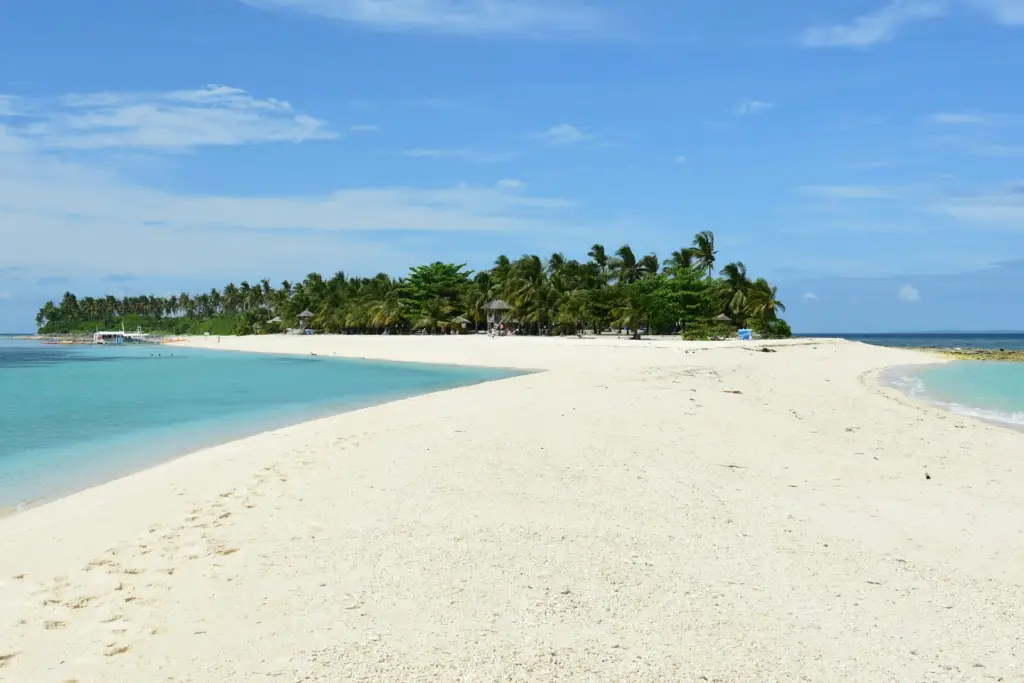
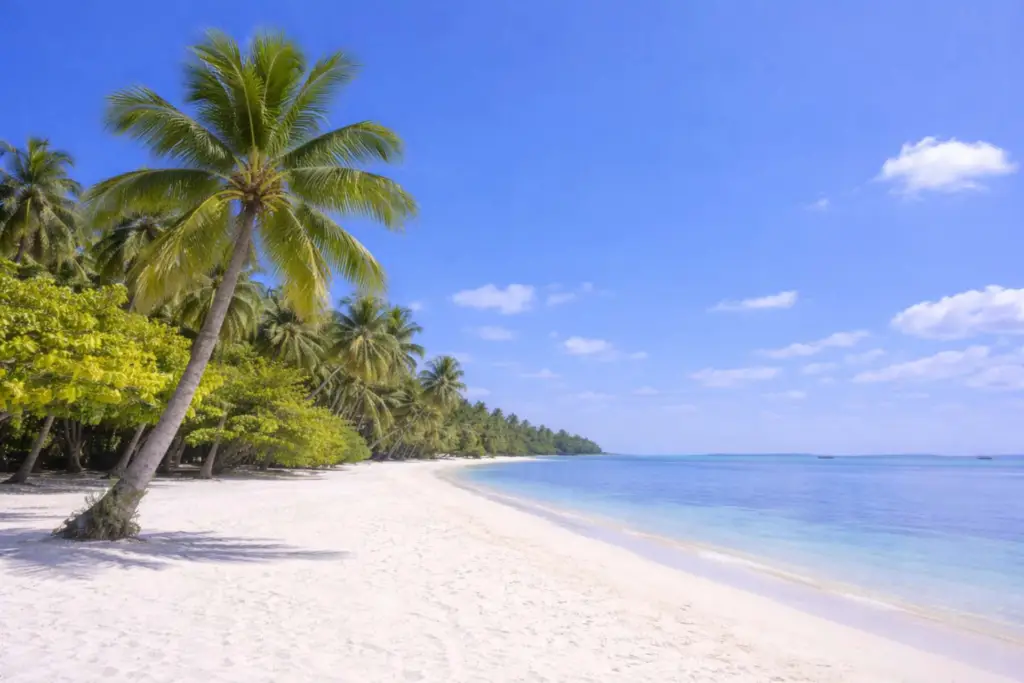
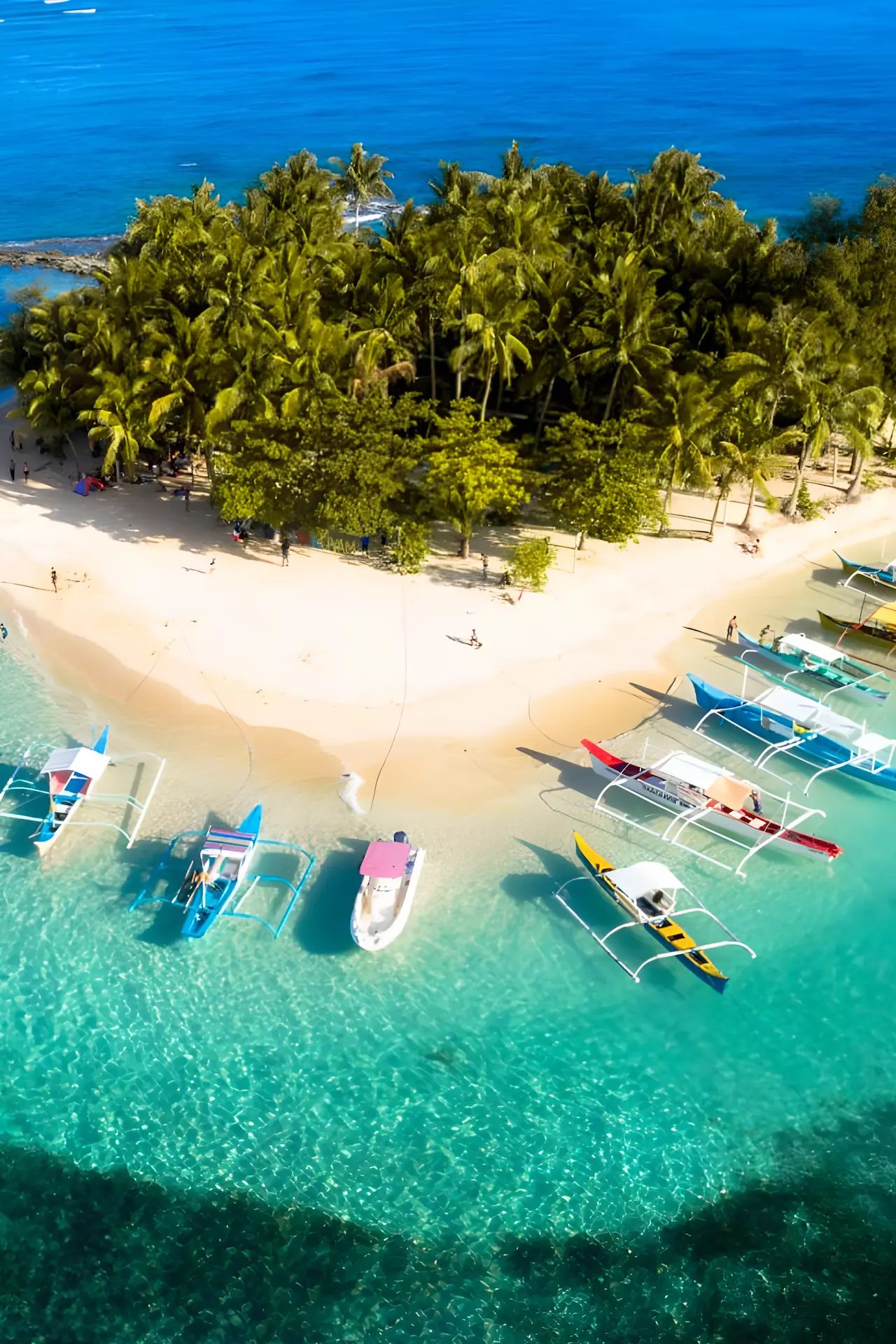
- Secret Beach (Guiwan Beach): A palm-fringed sanctuary with calm waters, located about 15 minutes south of General Luna.
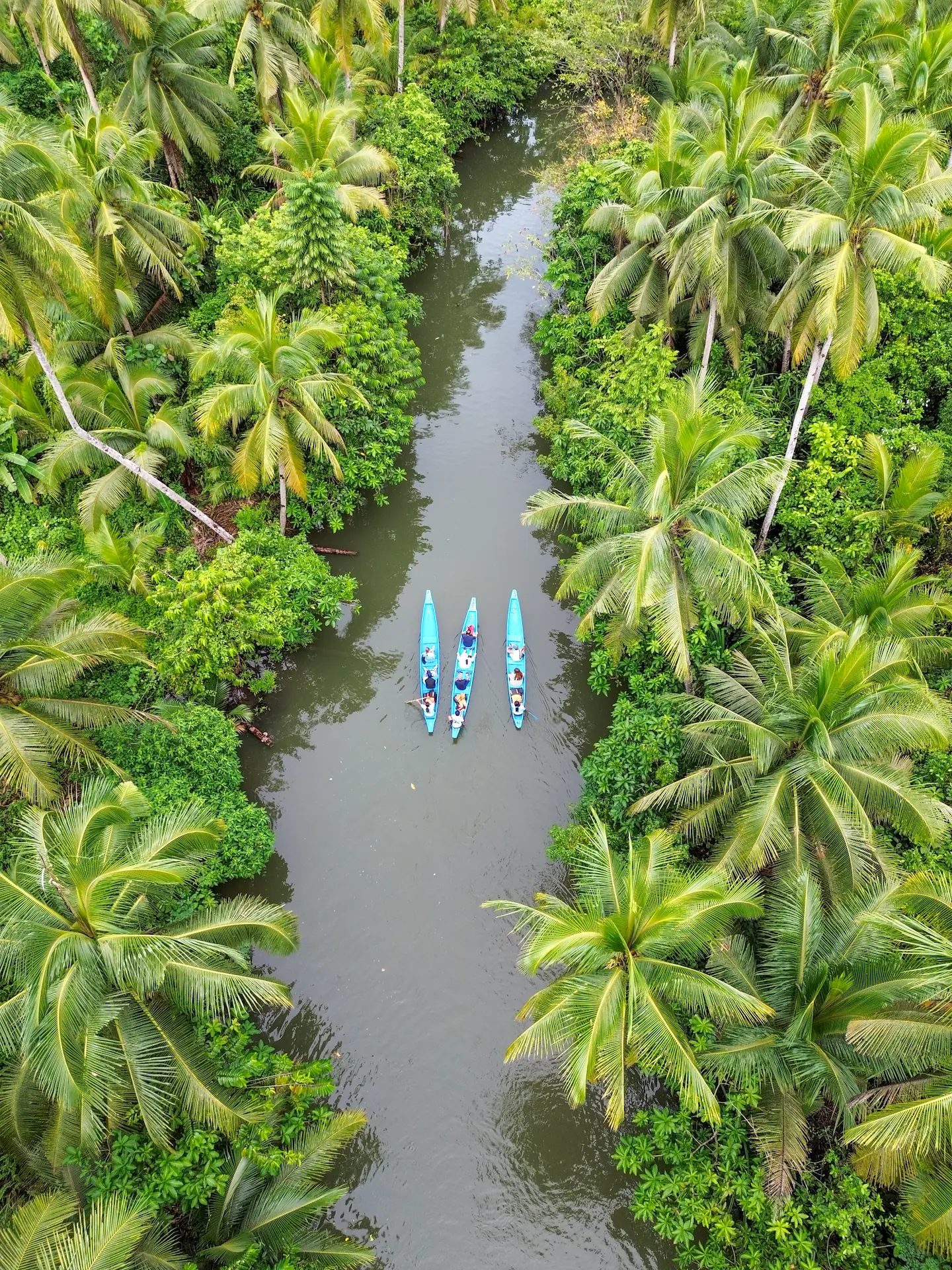
- Mangrove Tour: Rent a boat in Malinao to see the vast mangrove forest. Keep an eye out for forest bats during the day!
2026 Packing Essentials
- Sun Protection: Reef-safe sunscreen and polarized sunglasses.
- Gear: A dry bag for boat trips and comfortable sandals for exploring.
Clothing: Lightweight fabrics, plenty of swimwear, and a light rain layer (especially if visiting in January like I did!).
1. Siargao Travel Guide: Getting to the Island
Getting to Siargao is straightforward, but it still feels like a journey. You fly into Sayak Airport, with connections typically from Manila or Cebu. From there, it’s about a 45-minute drive to General Luna, where most travelers stay.
Vans and tricycles are easy to arrange at the airport, and the transfer itself already gives you a sense of the island—open roads, palm-lined landscapes, and very little traffic compared to other destinations. It’s the first deep breath of the trip.
2. Where I Stayed (And Why It Worked)
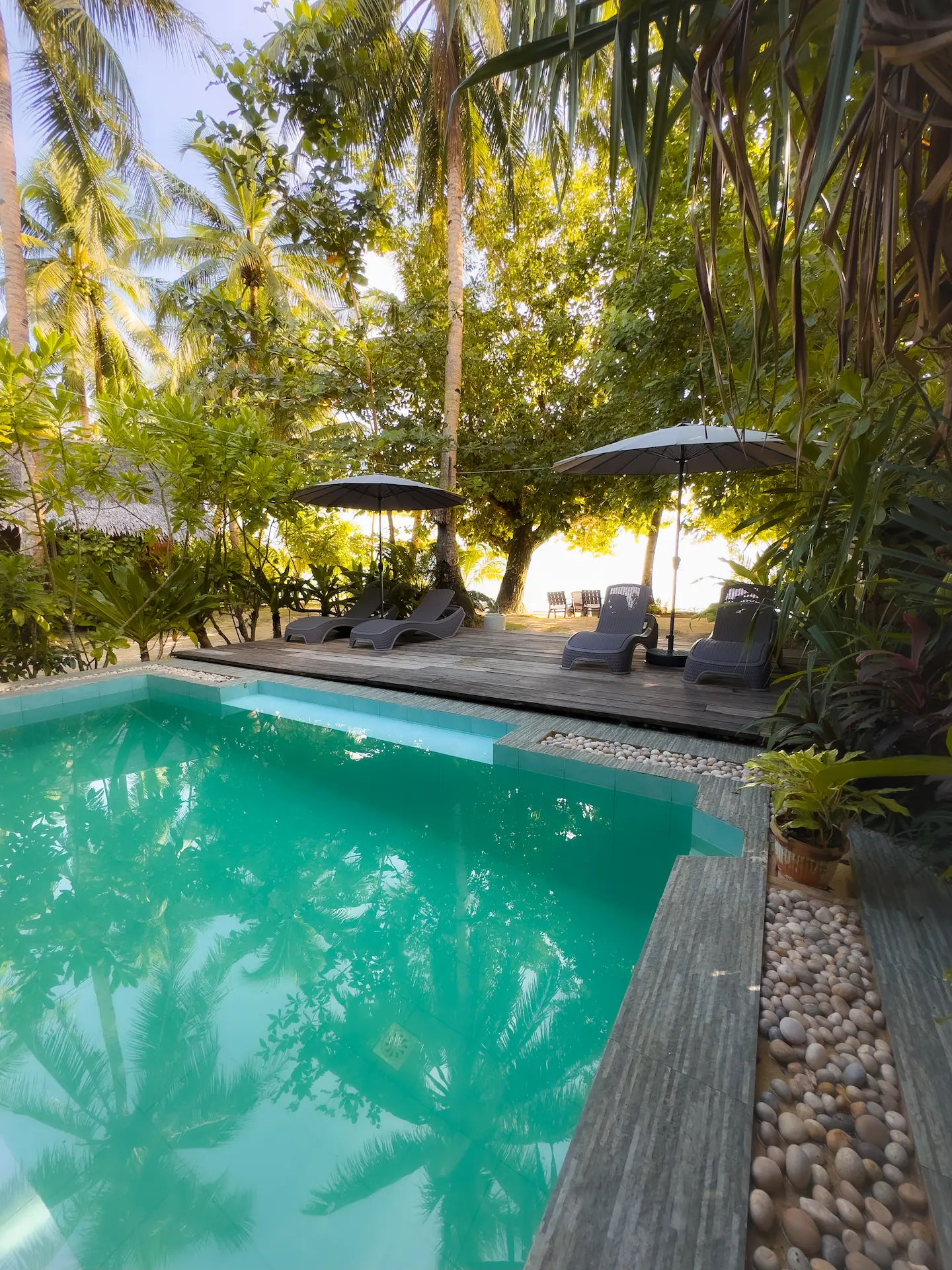
I stayed at Soultribe Beach Retreat, and it set the tone for the entire trip. It’s slightly removed from the center of General Luna, which I appreciated. It was quiet when I wanted to slow down, but still close enough to everything.
That balance is important in Siargao. You don’t necessarily want to be in the middle of everything all the time—but you also don’t want to feel disconnected from the energy of the town.
3. Mapping Your Stay: General Luna and Beyond
Most visitors base themselves in General Luna, and for good reason. This is the island’s social heart, where you’ll find the best restaurants, specialty cafés, surf spots, and tour operators. If you stay along or near Tourism Road, you’re within walking or short riding distance to almost everything.
Further north, areas like Pacifico offer a quieter, more remote experience, but for a first trip—or if you love a strong café culture—General Luna is the right call.
4. Getting Around: The Freedom of the Road
Siargao is best explored on two wheels. However, since we were traveling as a group with my senior mom and dad, we opted to hire tricycles instead and maintained a couple of drivers on call for certain trips.
Traveling around Siargao this way is incredibly refreshing. The long stretches of coconut trees and rolling terrain make the journey itself feel like the destination. It was during these rides that we found some of the quieter corners of the south:
- Secret Beach (Guiwan Beach): Located in the Malinao area, this is a palm-fringed cove with calm, crystal-clear water. It’s a bit of a trek through a coconut forest to get there, but it’s a tropical sanctuary that feels worlds away from the main surf breaks.
- Malinao Paradise & The Mangroves: We took a boat out here to tour the vast Malinao mangroves. It’s a labyrinth of green stillness. We were lucky enough to see forest bats hanging in the trees, though since it was daytime, the fireflies stayed hidden for the night.
- Malinao Village: This side of the island is much more deserted and quiet. Cafés are rare here compared to General Luna, but that’s the draw—it’s a place to see the island’s raw, unpolished side.
5. The Places That Defined My Trip
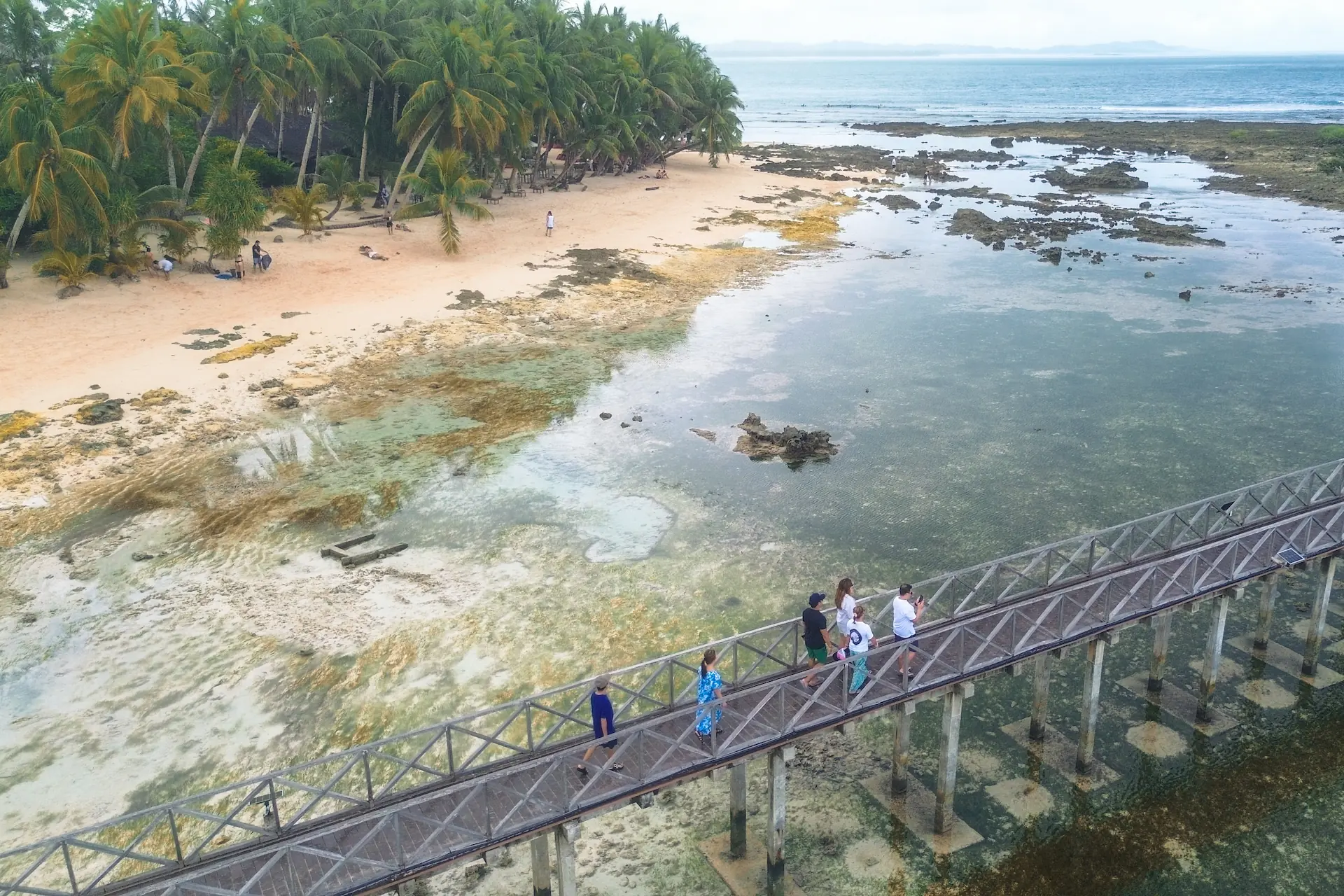
- Cloud 9: No trip is complete without it. Even if you don’t surf, the boardwalk is iconic. Watching surfers move with the waves—especially during golden hour—is a quintessential Siargao moment.
- Maasin River: That iconic bent palm tree stretching over still, green water looks exactly like the photos, but feels even more peaceful in person.
- Magpupungko Rock Pools: Timing is everything here. You have to go at low tide to see the clear tidal pools emerge from the rock formations.
- Sugba Lagoon: One of the most visually striking places—calm water surrounded by mangroves and limestone hills. You can kayak, paddleboard, or just float and take it all in.
- Coconut Mountain View: Driving through thousands of palm trees stretching into the distance is simple, but incredibly photogenic.
- Pacifico: A longer ride to the north, but worth it for the rugged, less commercial side of the island.
- Sunset Bridge (Catagnan): This captures everyday life. Locals jumping into the water and people gathering as the sky fades. It’s understated, and that’s why it works.
6. Island Hopping: Simple & Relaxed
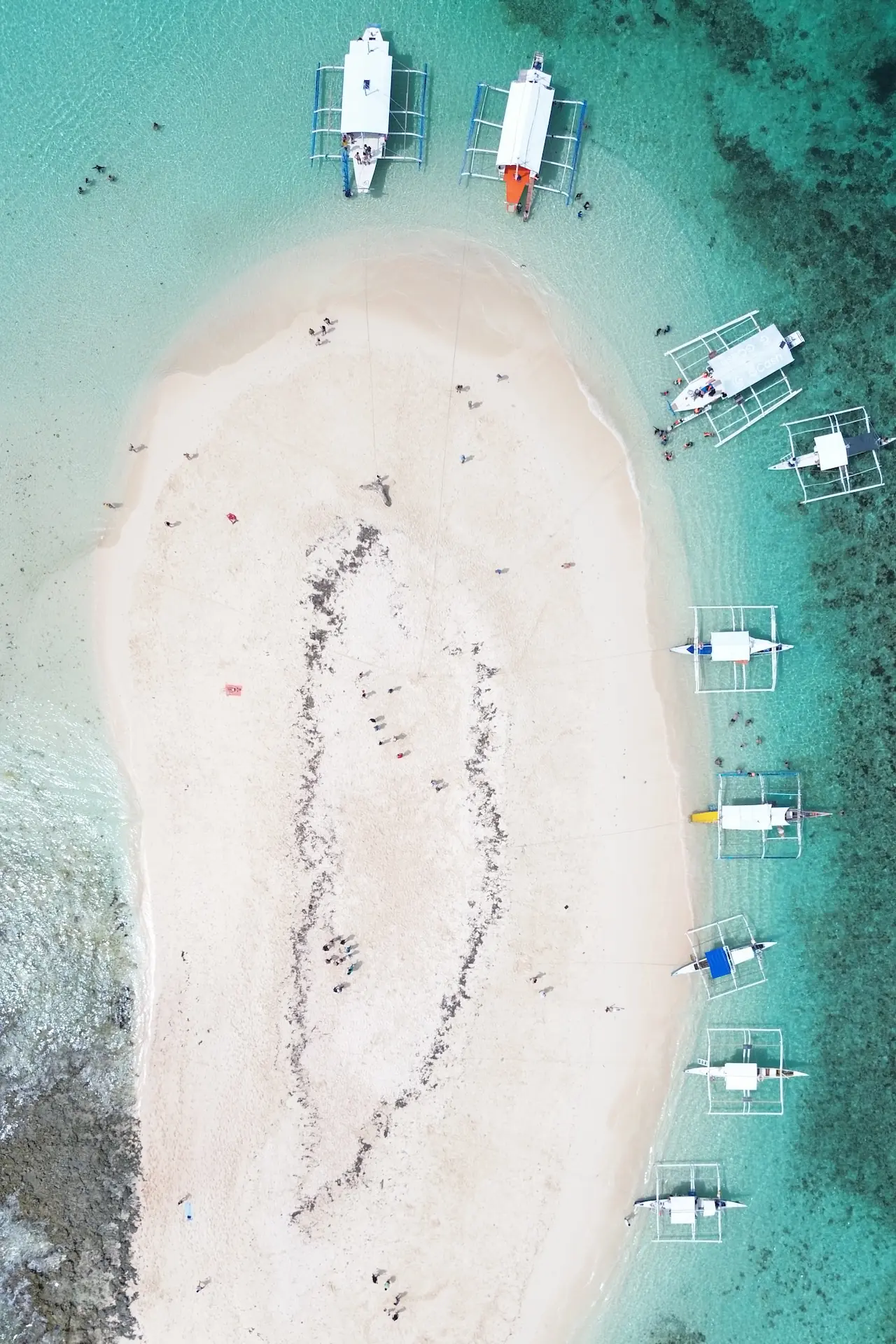
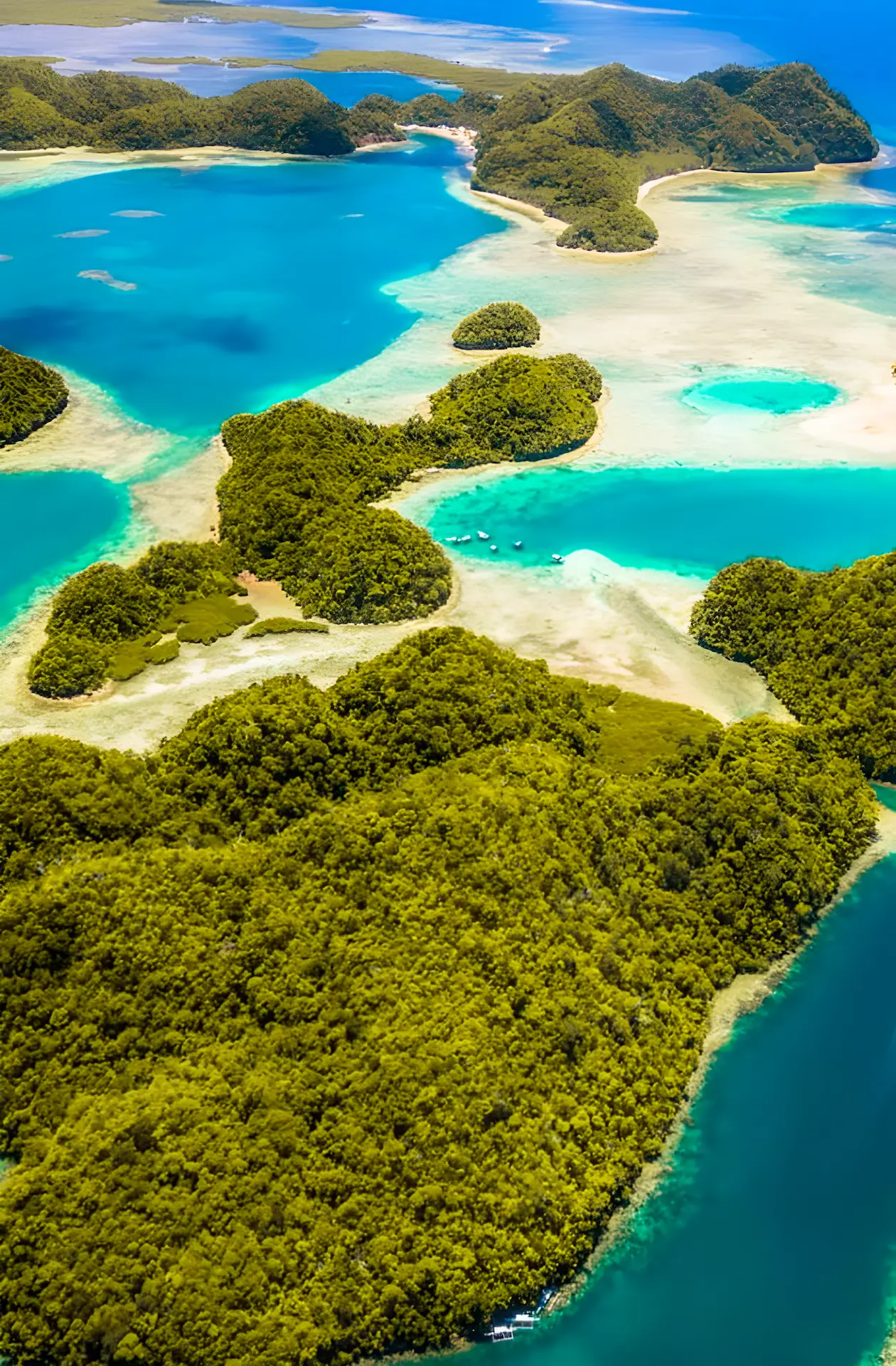
Island hopping here feels different from the dramatic cliffs of Palawan. It’s simpler and more relaxed. The usual route includes Naked Island (a pure sandbar), Daku Island (larger, with great food and cottages), and Guyam Island (a tiny, scenic oasis). It’s less about epic landscapes and more about easy, tropical island energy.
7. Food, Culture, and Timing
Siargao’s food scene is one of the strongest in the Philippines. Along Tourism Road, you’ll find everything from specialty coffee shops and healthy acai bowls to international fusion and local eateries.
Best Time to Visit:
- Surf Season: August to November (Big waves).
- Best Weather: March to June.
My Experience: I went in January 2026. While there were occasional rains, the island was incredibly lush and beautiful.
Final Thoughts: The Crafty Sparrow Perspective
Siargao stayed with me longer than I expected. Not because of a single dramatic moment, but because of how everything came together: the pace, the people, and the quiet spaces between the highlights. It’s not trying to impress you, and that’s exactly why it does.
Compared to the vibrant energy Boracay, Siargao feels less polished and more personal. Compared to my journeys through Palawan, it’s less dramatic but more grounded and livable. It’s where you go not just to see a place—but to feel a different way of living. It is the coastal equivalent to the quiet pilgrimage I found in the Northern Highlands.
The Crafty Sparrow Tip: Let the island set the pace. The best moments I had weren’t planned. They happened on the road, in a café, or watching the light change at the end of the day. Don’t overpack your itinerary. Leave space for the island to surprise you.
Frequently Asked Questions
Yes—especially for its laid-back lifestyle, surf culture, and natural beauty.
4–6 days is ideal.
No—there’s plenty to see and do beyond surfing.
Moderate—generally more affordable than Boracay. The airfare from Manila though is among the most costly of the popular Philippine destinations.
Motorbike rental offers the most flexibility. However tricycles for non-drivers and bigger groups is the most practical and also affordable.
Yes—but it’s more relaxed and less dramatic than Palawan.