Where I Felt Most Alive
Some places impress me instantly. Others take their time—quietly working their way in until I realize I’ve stopped moving, just taking it all in. Newfoundland and Labrador was the latter, and I wrote this newfoundland travel guide to capture the raw, unpredictable beauty of driving and hiking across the island.
From the moment I arrived in St. John’s, I could feel something different. The weather never really settled—low clouds, shifting fog, steady rain moving in and out. The skies carried a kind of weight to them, sometimes dramatic, sometimes almost ominous. At first, it felt limiting. But over time, I realized it was shaping the entire experience in a way clear skies never could.
Quick Trip Planning Summary
Use this quick newfoundland travel guide summary to jumpstart your trip planning.
- Location: Newfoundland and Labrador
- Route: St. John’s → Central Newfoundland → Gros Morne → Return
- Best Time to Visit: June to September
- Top Experience: Hiking in Gros Morne National Park
- Ideal Trip Length: 5–7 days
Newfoundland Compared to Canada’s Other Landscapes
I’ve spent time in places like Banff National Park and Whistler and Garibaldi Provincial Park, where landscapes feel grand, almost architectural in scale. Newfoundland felt completely different to me.
Here, the land feels older. Less structured. More exposed. In Gros Morne National Park, the Earth quite literally opens up, revealing its inner layers. Along the coast near St. John’s, cliffs drop sharply into the Atlantic, shaped by centuries of wind and weather. If the Rockies feel composed, Newfoundland feels raw—like it’s still being shaped.
The Drive Across Newfoundland: A Travel Guide
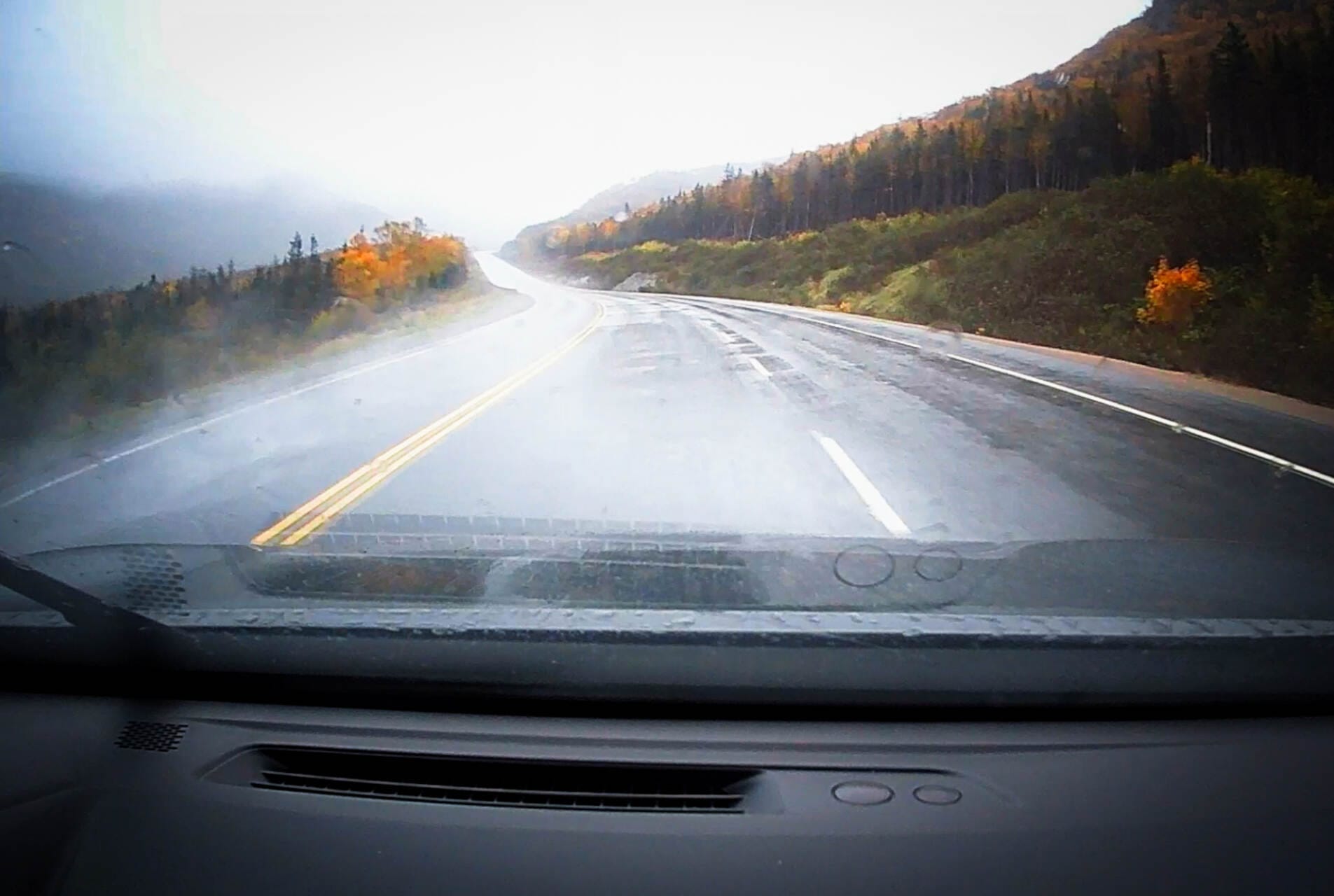
After landing in St. John’s, I began the long drive west toward Gros Morne National Park. This isn’t a quick journey. It’s hours of open road, forest, and long stretches where you feel completely removed from everything else. I stopped overnight in Botwood—a quiet, almost meditative pause in the middle of the island. By the time I continued west, I was already settling into the rhythm of the place.
Arriving in Gros Morne
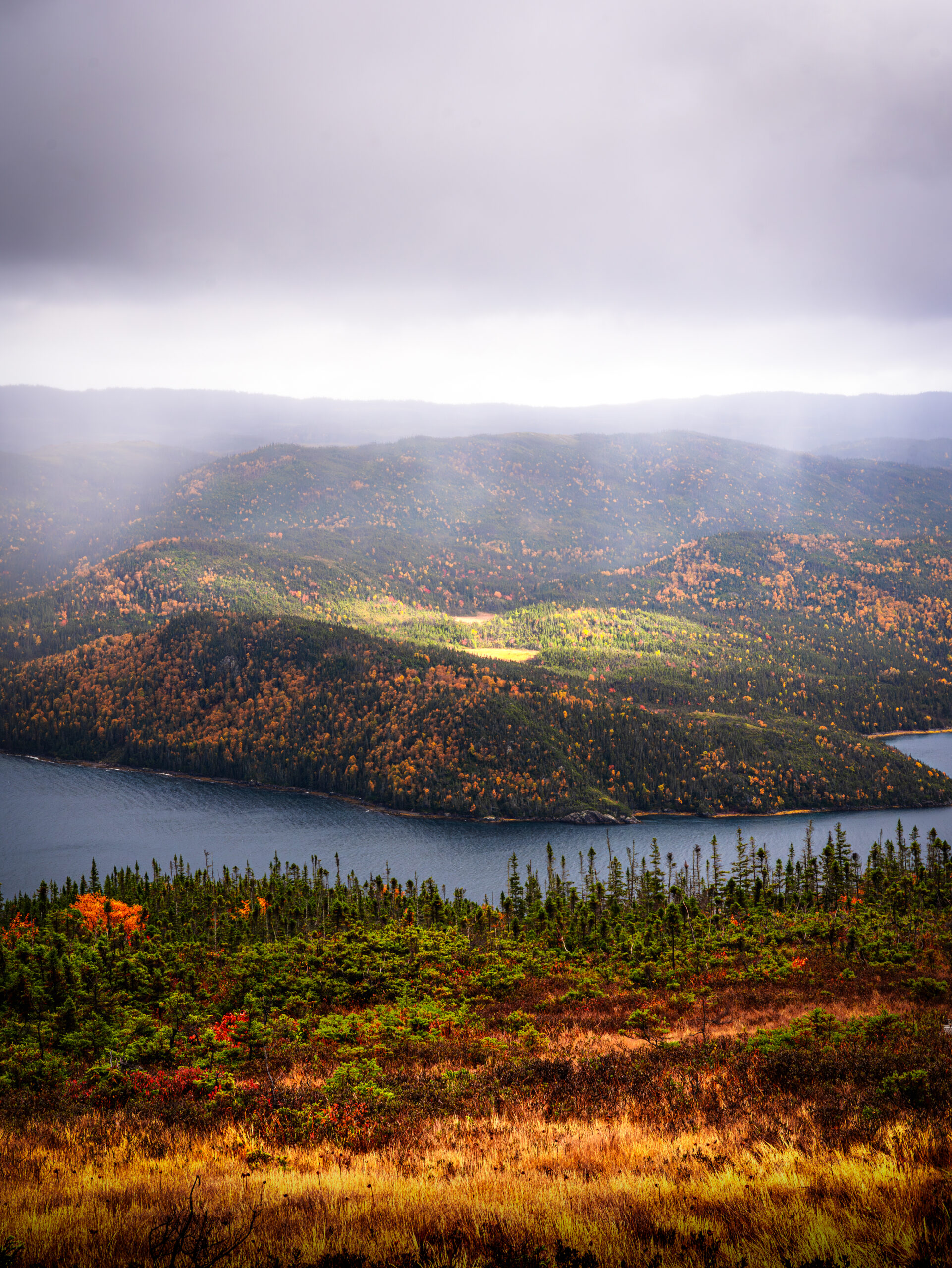
Reaching Gros Morne National Park felt like stepping into another environment entirely. I stayed near Rocky Harbour, waking up to views across the bay where mountains rise directly from the water. With the weather constantly shifting—fog rolling in, clouds sitting low over the peaks—the landscape never looked the same twice. Places like Norris Point and Rocky Harbour became part of a slower routine. Walking, driving, stopping, observing. There was no need to rush anything.
Walking the Tablelands
One of the most surreal places I explored was the Tablelands. The terrain feels completely out of place—rust-colored, barren, almost lifeless. Knowing that it’s part of the Earth’s mantle pushed to the surface only adds to that feeling. Under heavy cloud and shifting fog, it felt even more unreal. Quiet. Still. Almost otherworldly.
The Day I Climbed Gros Morne Mountain
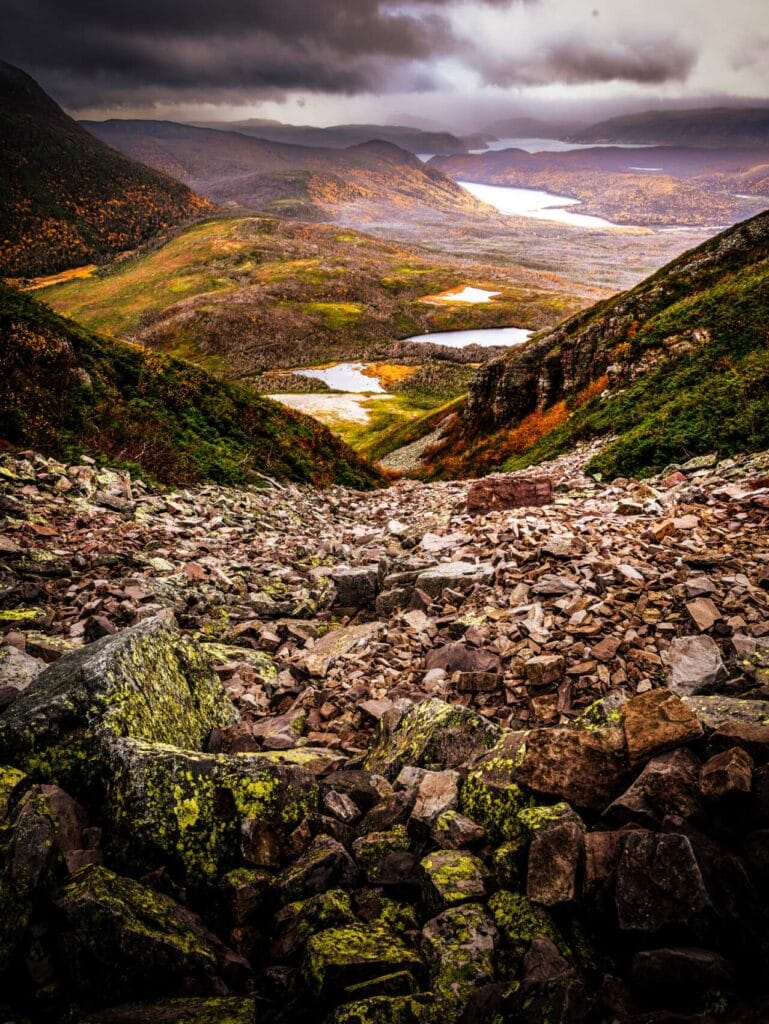
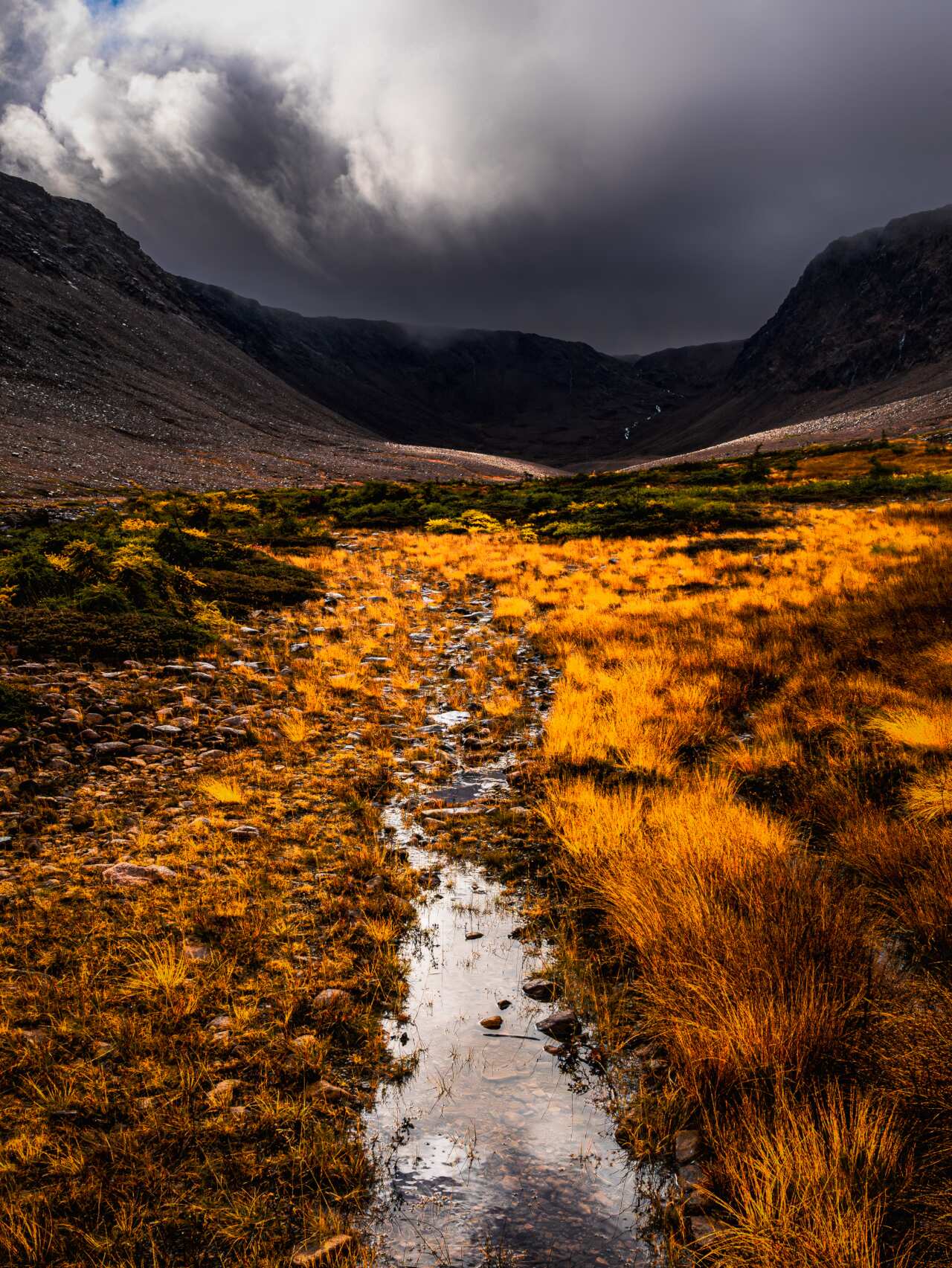
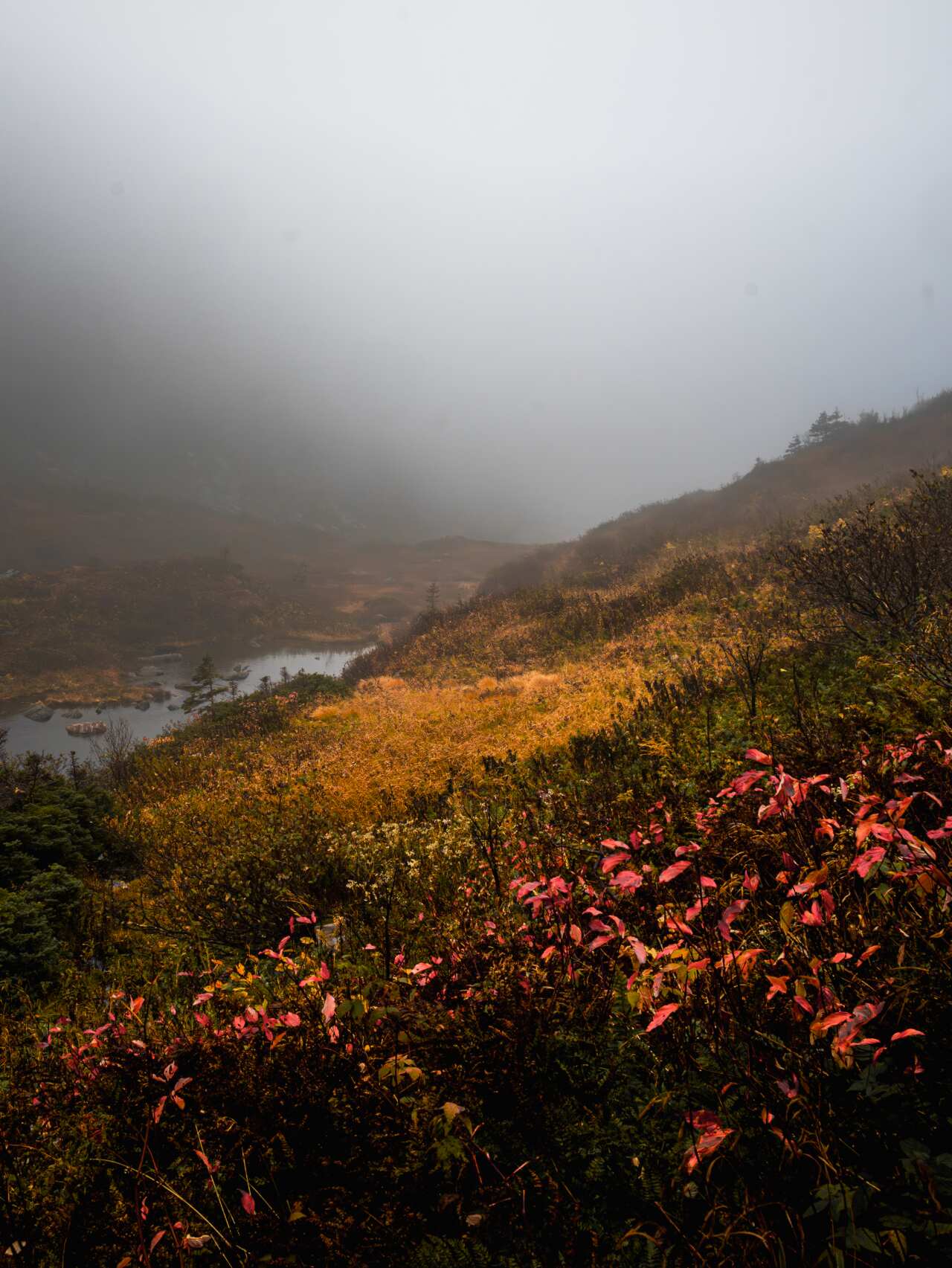
Climbing Gros Morne Mountain was something I had been looking forward to—but it became something far more intense than I expected. The weather never really gave me a break. Rain came in waves. Fog thickened into a white wall as I climbed.
As I neared the summit, the conditions turned violent. The wind surged to 60–80kph, strong enough to physically push me toward the edge. Then came the hail—striking with such velocity that it delivered a sharp, rhythmic sting against my skin. Visibility vanished completely, closing in to a claustrophobic 20 or 30 meters. My fingers, battered by the wet cold, became unresponsive—I had only about 30% to 50% control of their movement left.
I reached the summit and began the descent in a total whiteout. There were no landmarks left. I navigated the final 100 meters and the treacherous return purely by using AllTrails as a reference, staring at the digital line as my only tether to the world in the dense fog.
There was no one else on the mountain. No movement. No voices. Not even another car in the parking lot when I started. And strangely, that’s the part that stayed with me. Because somewhere in those conditions—wet, cold, dangerously exposed—I felt completely present.
There’s a kind of freedom in being out there alone, knowing most people chose not to be. A heightened awareness. A sharper focus. Every step matters more. Every decision carries weight. It’s not something I take lightly—but it’s something I’ve come to understand about myself. I don’t just tolerate those conditions. I’m drawn to them. Not because they’re dangerous—but because they strip everything down to what matters. The noise disappears. The distractions fade. It becomes just the mountain, the weather, and the next step forward.
Preparation Makes That Possible
I should say this clearly—none of that comes from being unprepared. Every hike I take, especially in environments like Gros Morne National Park, is planned carefully. I carry what I need without exception: first aid, lighting, backup power, navigation tools, emergency gear. That preparation is what creates the freedom to move in those conditions. Without it, the experience would feel reckless. With it, it becomes something else entirely—controlled, aware, and deeply immersive.
Slowing Down Along the Coast
After the intensity of the hikes, I found myself drawn to the quieter coastal moments. Rocky Harbour and Norris Point offered space to slow down. The ocean was calm at times, dramatic at others, always framed by mountains and heavy skies. I didn’t feel the need to move quickly. Newfoundland doesn’t really allow that anyway.
Returning to St. John’s
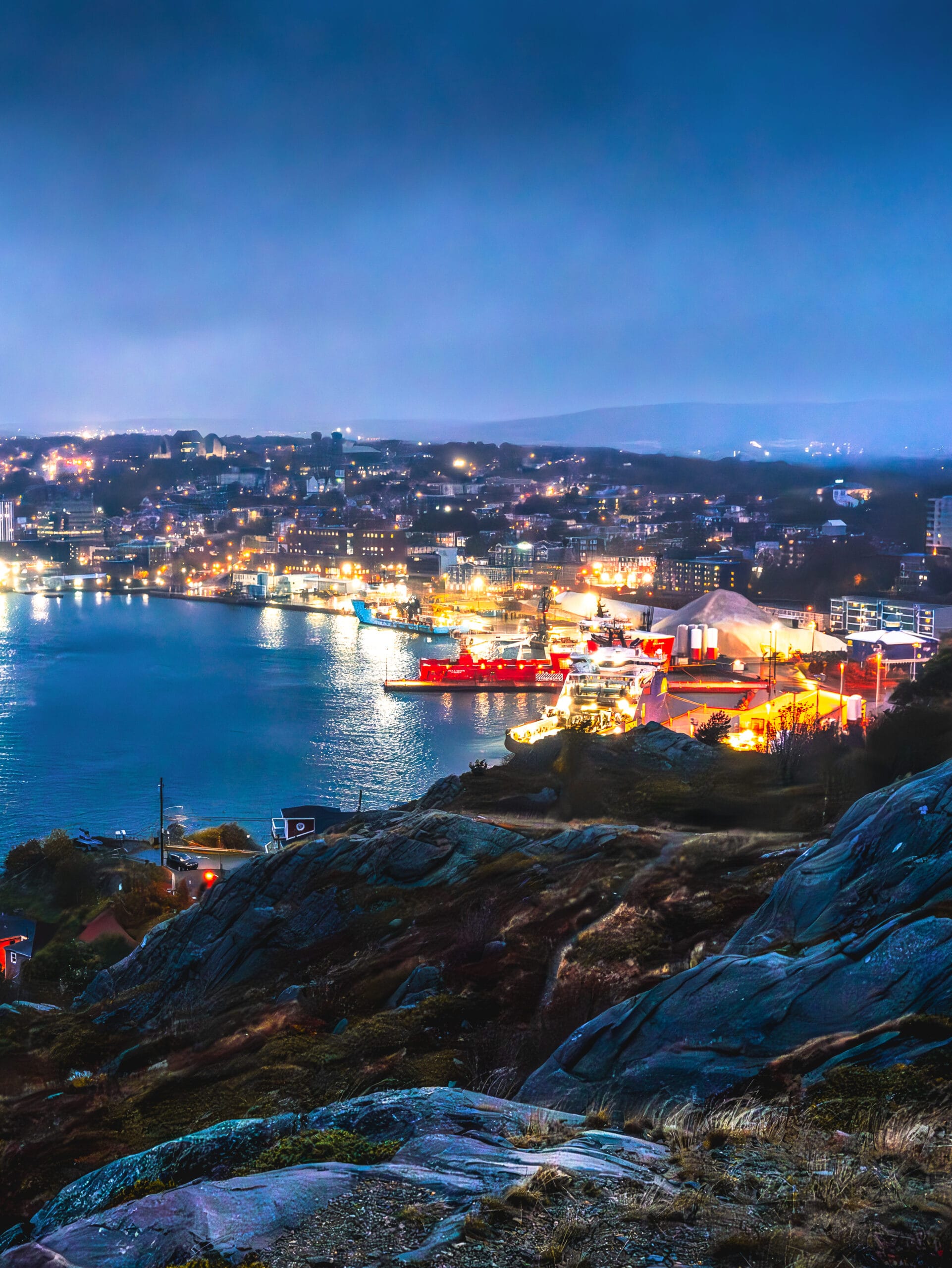
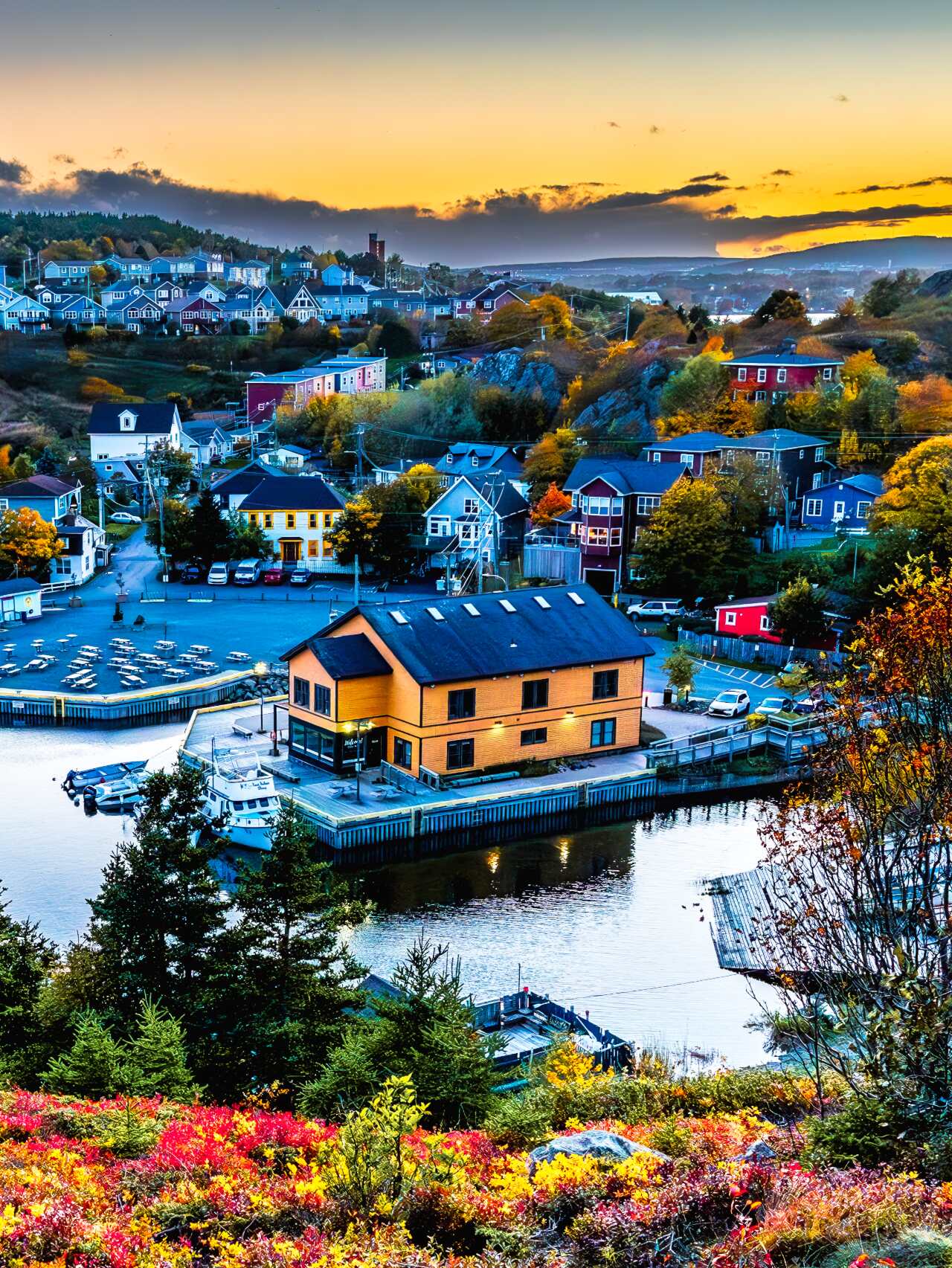
The drive back east toward St. John’s felt quieter. Less about reaching something new, more about absorbing what I had already experienced. I stayed near Quidi Vidi—a place that felt both connected to the city and removed from it at the same time.
Exploring St. John’s and the Avalon Peninsula
- Signal Hill & North Head Trail: Walking along Signal Hill, the coastline opened up in dramatic fashion. Cliffs dropped into the Atlantic, and the wind carried constantly through the landscape.
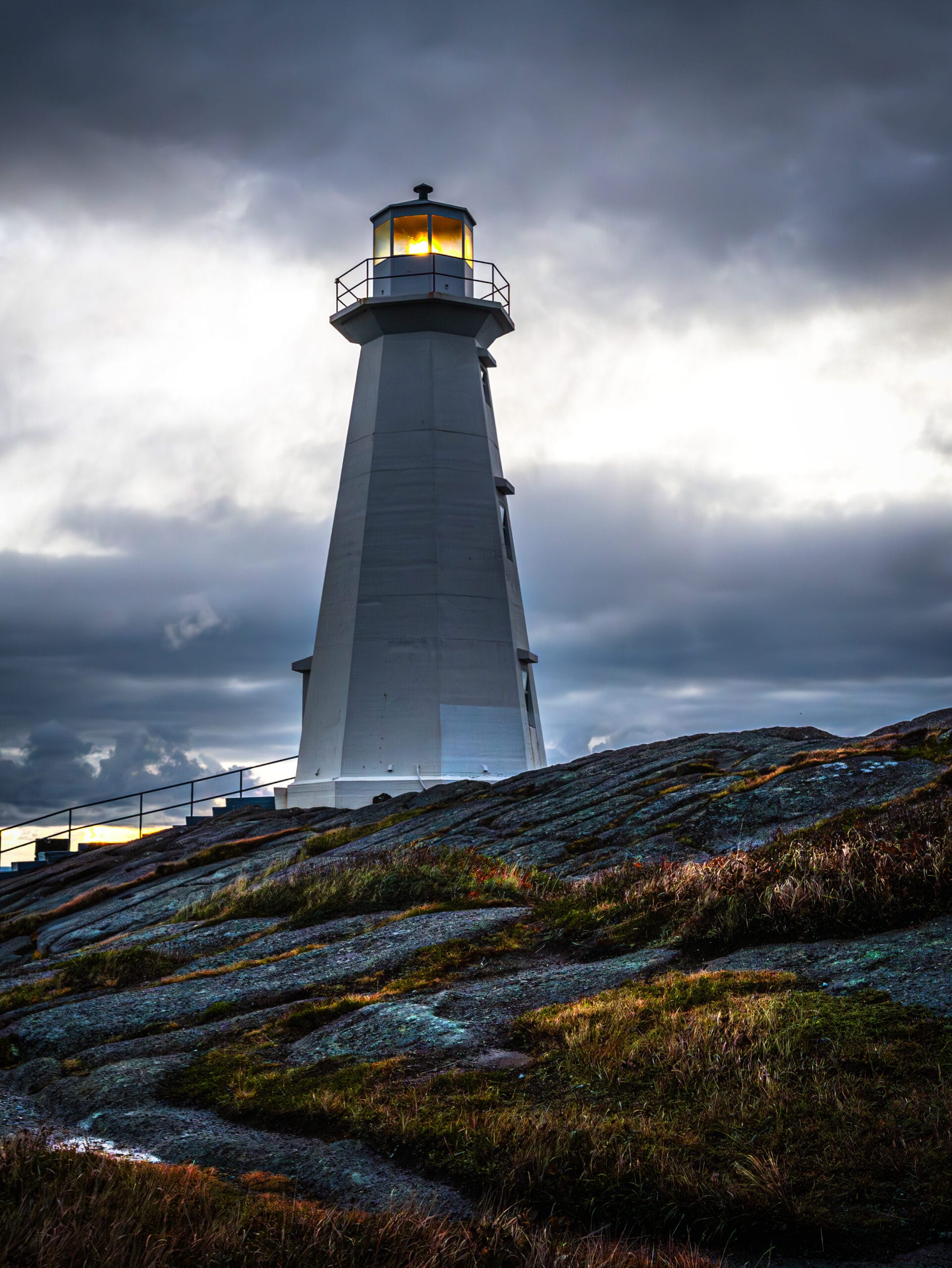
- Cape Spear: At Cape Spear, standing at the easternmost point in North America, I felt fully exposed to the Atlantic. There’s nothing between you and the horizon.
- Cobbler’s Path & Tors Cove: Near Tors Cove, hiking along the Cobbler’s Path offered some of the most rugged coastal scenery of the trip.
St. John’s: The city itself felt authentic—colorful homes, steep streets, and a strong sense of place that didn’t feel staged.
Shooting in Moody Conditions
Most travelers hope for clear skies. I didn’t get that. What I got instead was fog, shifting light, heavy cloud cover, and skies that constantly changed. And looking back, I wouldn’t trade that for anything. The mood added depth to everything. Mountains felt larger. Coastlines felt more dramatic. Even simple scenes carried a weight that clear skies often soften. If anything, Newfoundland showed me that “perfect” conditions aren’t always the most meaningful.
Crafty Sparrow Tip: Preparation Creates Freedom
The ability to move confidently in unpredictable conditions comes down to preparation. On every major hike, I carry:
- First aid kit
- Headlamp + extra batteries
- Power bank
- Whistle
- Trekking poles
- Emergency Mylar blanket
- Weather protection
- Energy Bars/snacks
- Water
- Hiking app / Trail Map
It’s this level of preparation that allows me to fully experience places like Gros Morne National Park without hesitation.
Final Thoughts
Newfoundland didn’t feel like a typical destination to me, and closing this newfoundland travel guide, I realize it’s a place that asks something from you. Maybe it was the weather—the fog, the rain, the constant movement in the sky—but everything felt more alive because of it.
It’s the wind along the cliffs at Cape Spear. The silence on the trails in Gros Morne National Park. The long stretches of road where it’s just you and the landscape. And somewhere along the way, I stopped trying to capture the experience—and just started living it.
The best time to visit is from June to September, when temperatures are milder and most trails, coastal routes, and attractions are fully accessible. However, even in summer, expect rapidly changing weather, including fog, rain, and strong winds.
The drive takes approximately 8–10 hours without long stops. Most travelers break it up with an overnight stay in central Newfoundland, such as in Botwood.
Absolutely. It’s one of Canada’s most unique landscapes, featuring fjords, coastal cliffs, and the rare geological formation of the Tablelands, where the Earth’s mantle is exposed.
Gros Morne Mountain is considered a strenuous hike for the average person, with steep elevation gain and loose rock sections. Weather can change quickly, making preparation essential. Proper gear, navigation tools, and awareness of conditions are strongly recommended.
Essential items include:
Waterproof jacket and layers
Hiking boots with good grip
Headlamp and extra batteries
Offline maps or GPS app
First aid kit
Extra food and water
Weather conditions can shift rapidly, so always prepare for colder, wetter conditions than expected.
Yes, Newfoundland is generally very safe, and locals are known for their friendliness. However, due to its remote nature, travelers should plan routes carefully, especially when hiking or driving long distances.
Top spots include:
Signal Hill
Cape Spear
Quidi Vidi
Cobbler’s Path
Unlike the structured alpine landscapes of Banff or Whistler, Newfoundland feels more raw and exposed. The scenery is shaped by ocean, weather, and time, creating a more rugged and unpredictable travel experience.
Explore more Great Canadian Landscapes:
• The Cabot Trail
• Whistler & Garibaldi
• Banff National Park