Where the Experience Becomes the Destination
Every time I return to Boracay, I’m reminded of how different it feels from the rugged isolation of Palawan. There’s no long journey into the unknown; no need to plan complex routes across islands or chase remote lagoons. Boracay meets you halfway. After the steep climbs of the Northern Highlands and the raw energy of Siargao, the refinement of this island is a welcome change of pace.
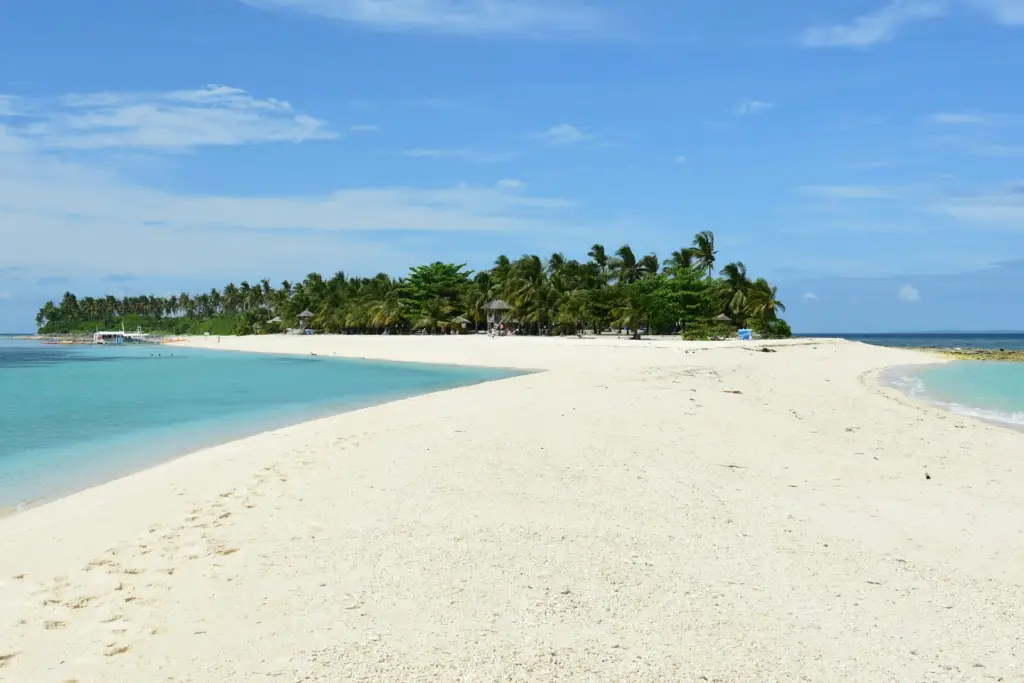
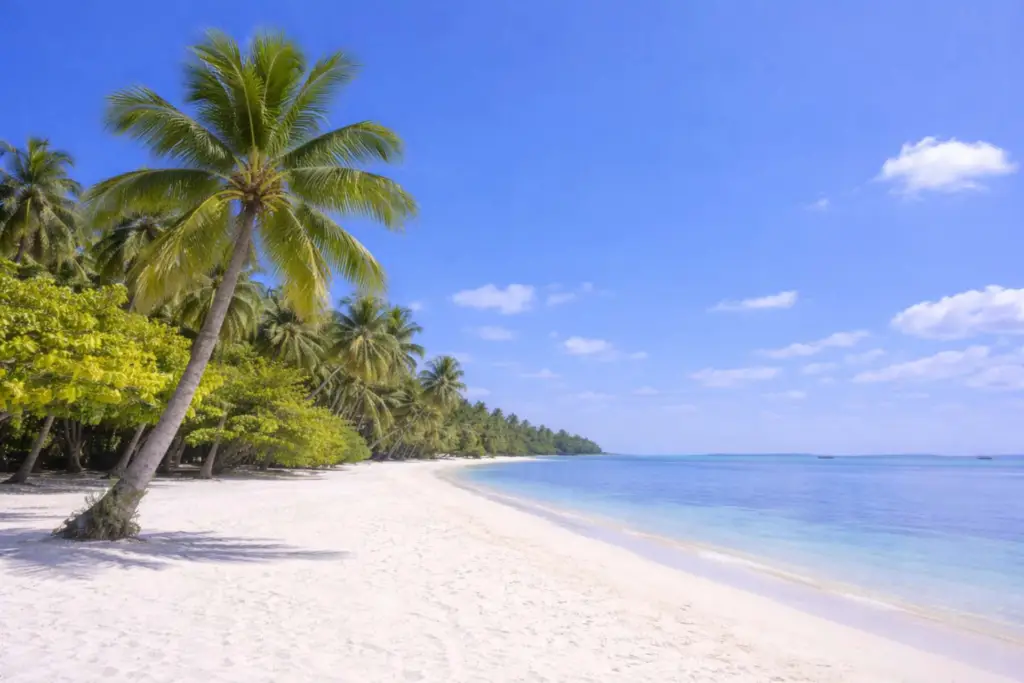
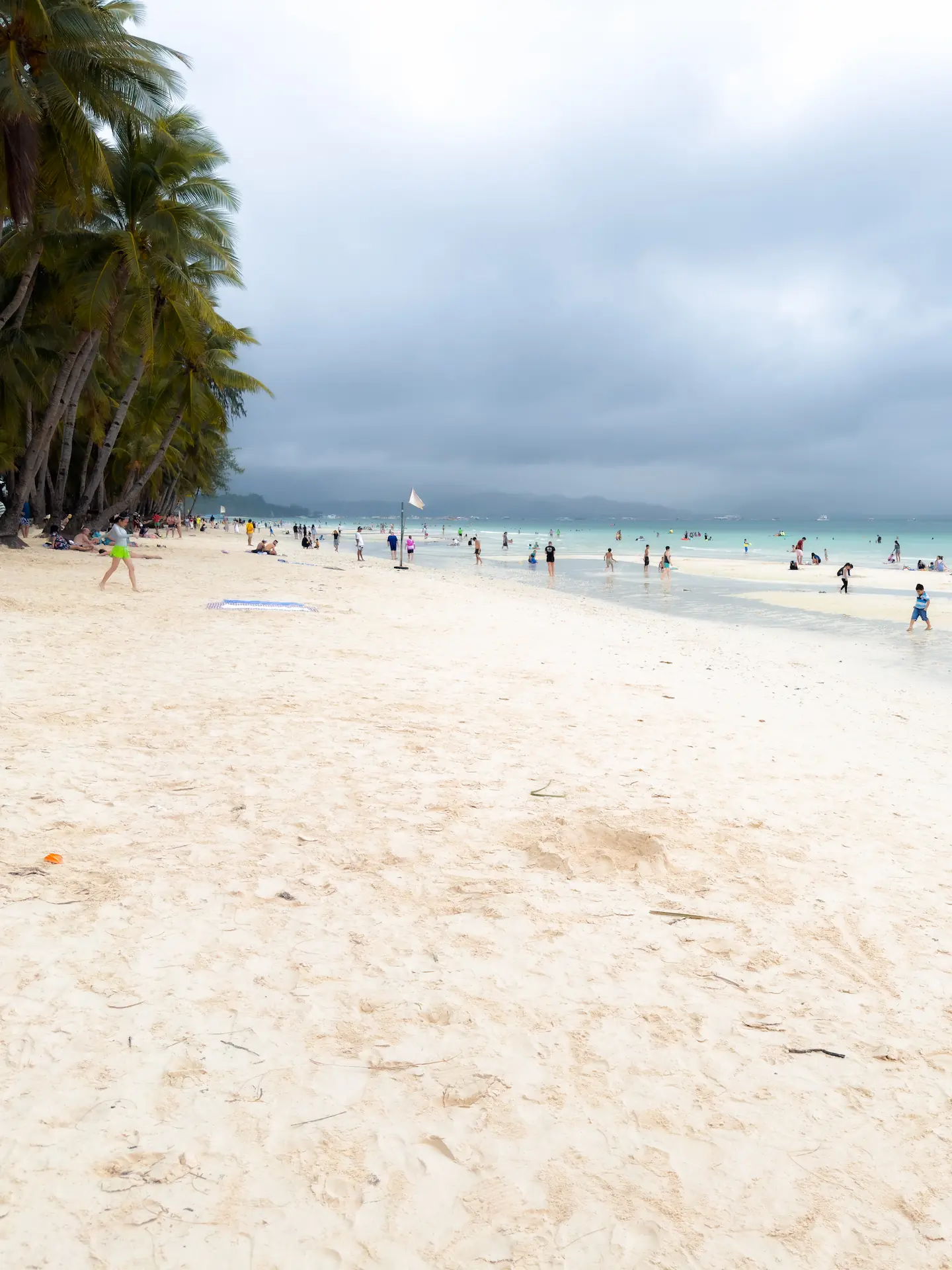
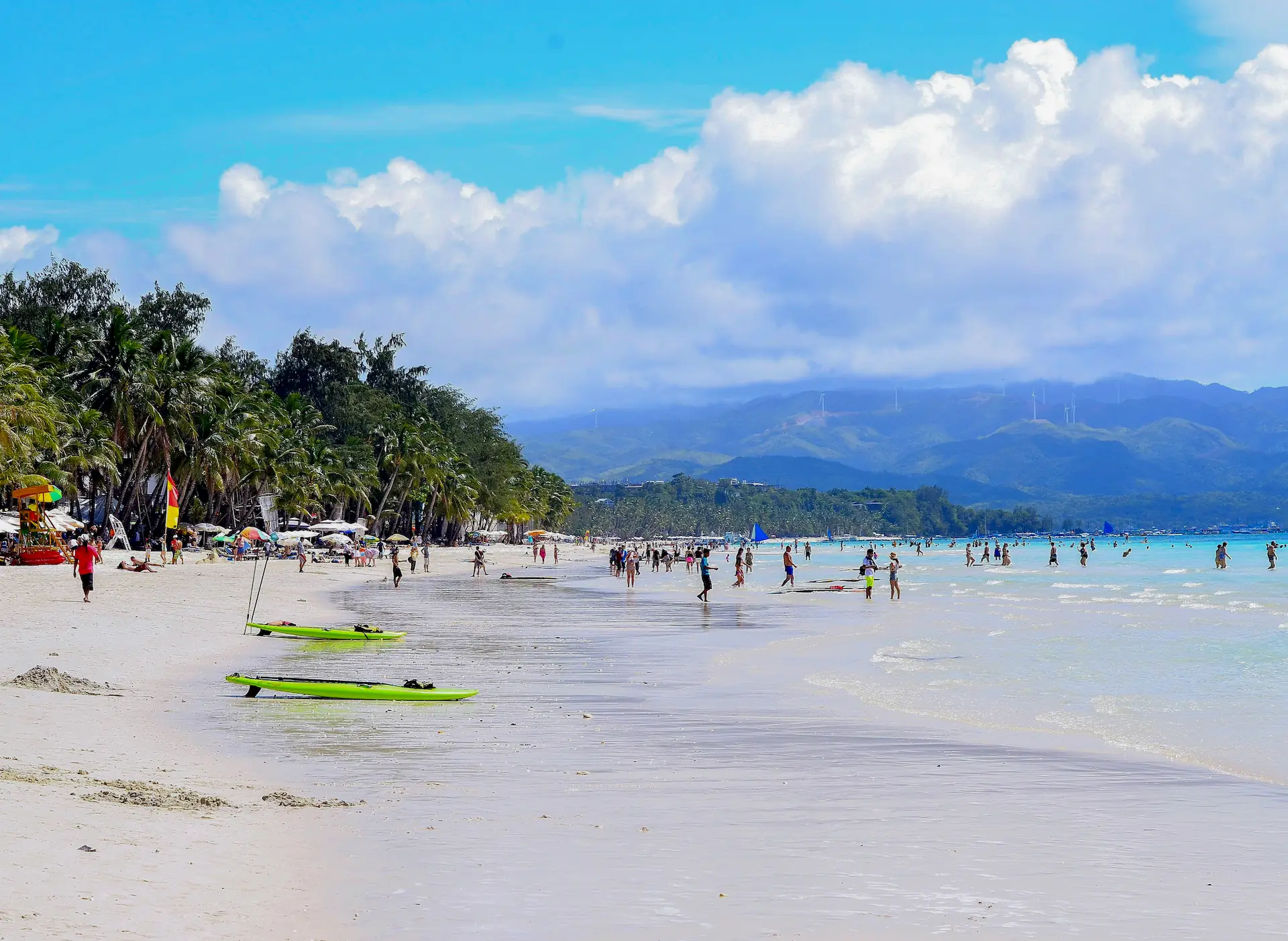
Within an hour of landing, you’re already walking barefoot on one of the finest stretches of white sand in the Philippines—the kind that feels almost unreal underfoot. The water is calm, clear, and inviting, and everything you need is already within reach. Boracay isn’t about discovery; it’s about refinement, ease, and knowing exactly why you came.
1. Getting There: The Path of Least Resistance
Getting to Boracay is part of what makes it so accessible. Most travelers fly into Caticlan Airport (MPH), the closest gateway. From there, it’s a short, well-organized sequence: a quick tricycle to the jetty port, a brief ferry crossing, and then another ride to your hotel. Within 30 to 60 minutes of landing, you’re already on the island.
I’ve also done the trip by land—driving all the way to Caticlan and crossing by boat. It takes more time, but it offers a different sense of journey, especially if you’re combining destinations. There is also the option of flying into Kalibo (KLO), though that involves a 2-hour land transfer before you even reach the ferry.
2. Understanding the Stations: Mapping Your Stay
Where you stay in Boracay shapes your entire experience. Think of the island in sections:
- Station 0 (The Exclusive Enclave): Just north of Station 1 lies the unofficial “Station 0.” Home to resorts like Shangri-La and Crimson, it offers private beaches and a level of quiet that feels worlds away. It’s beautiful, but you won’t casually walk out to explore; the experience is contained within the resort.
- Station 1 (Space and Calm): This area offers the widest stretch of White Beach. It’s connected to the action but has more “breathing room.” Just keep in mind that the walk to the center of the island at night can feel longer than expected.
- Station 2 (The Social Heart): This is where Boracay comes alive. It has the highest concentration of restaurants and shops. During my last visit in 2025, I stayed at Feliz Hotel Boracay. It struck the ideal balance—Spanish-inspired interiors and a huge private front yard plaza that created a comfortable buffer from the beachfront noise. I could step into the energy and away from it just as easily.
- Station 3 (Slower and Simpler): Further south, the beach narrows and the pace slows down. Accommodations here are more affordable, making it a favorite for long-stay travelers, though you’ll travel a bit more for diverse dining.
3. Beyond White Beach: The Island’s Other Faces
While White Beach is the centerpiece, Boracay has hidden corners worth a visit:
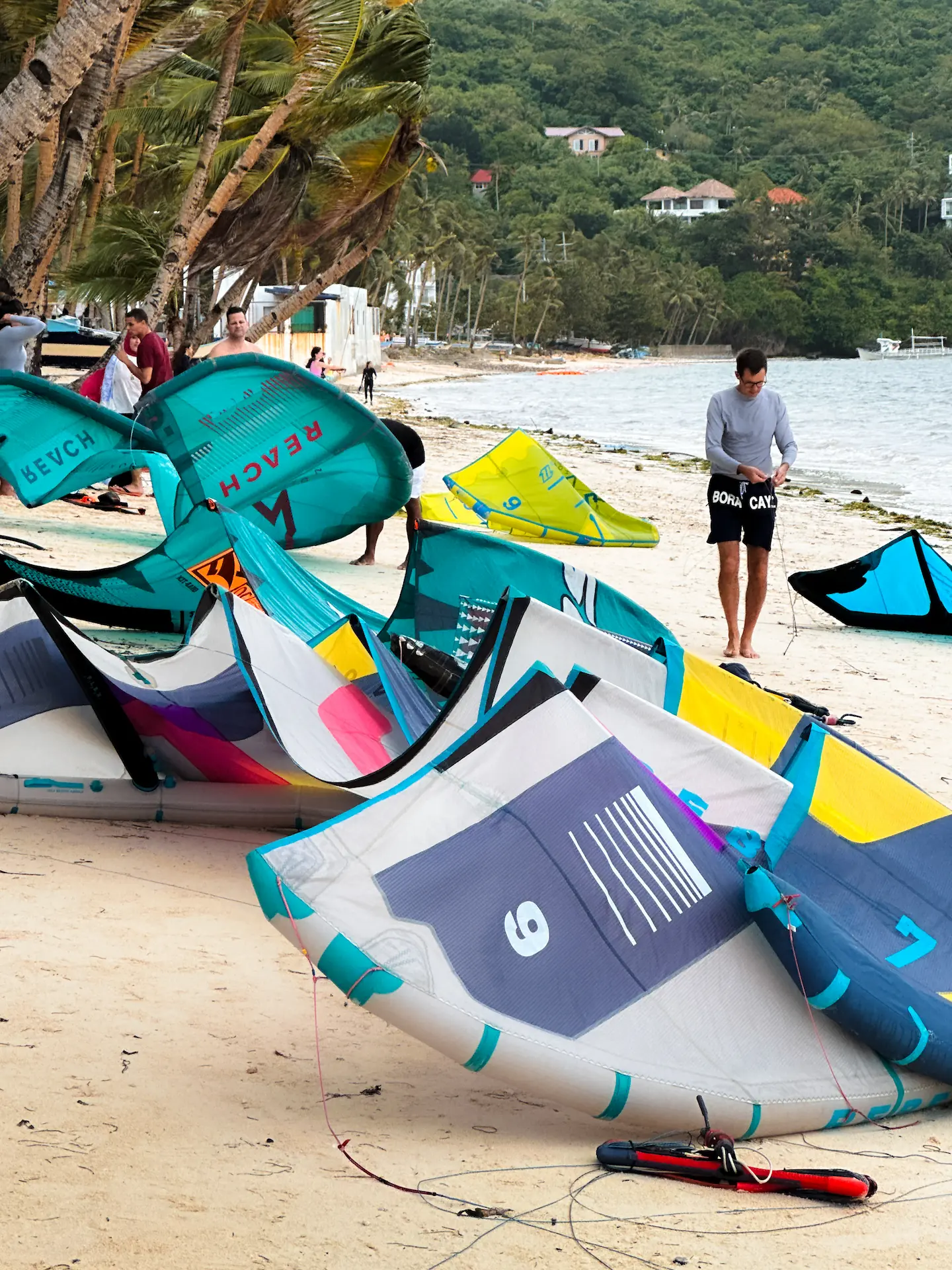
- Bulabog Beach: Located on the opposite side, this is the hub for kite surfing. The winds are stronger, and the vibe is purely athletic.
- Diniwid Beach: A tucked-away alternative just beyond Station 1 for a quieter escape.
- Newcoast & Ilig-Iligan: These newer developments feel more curated and exclusive, with fewer crowds.
4. Activities: The Art of Doing Less
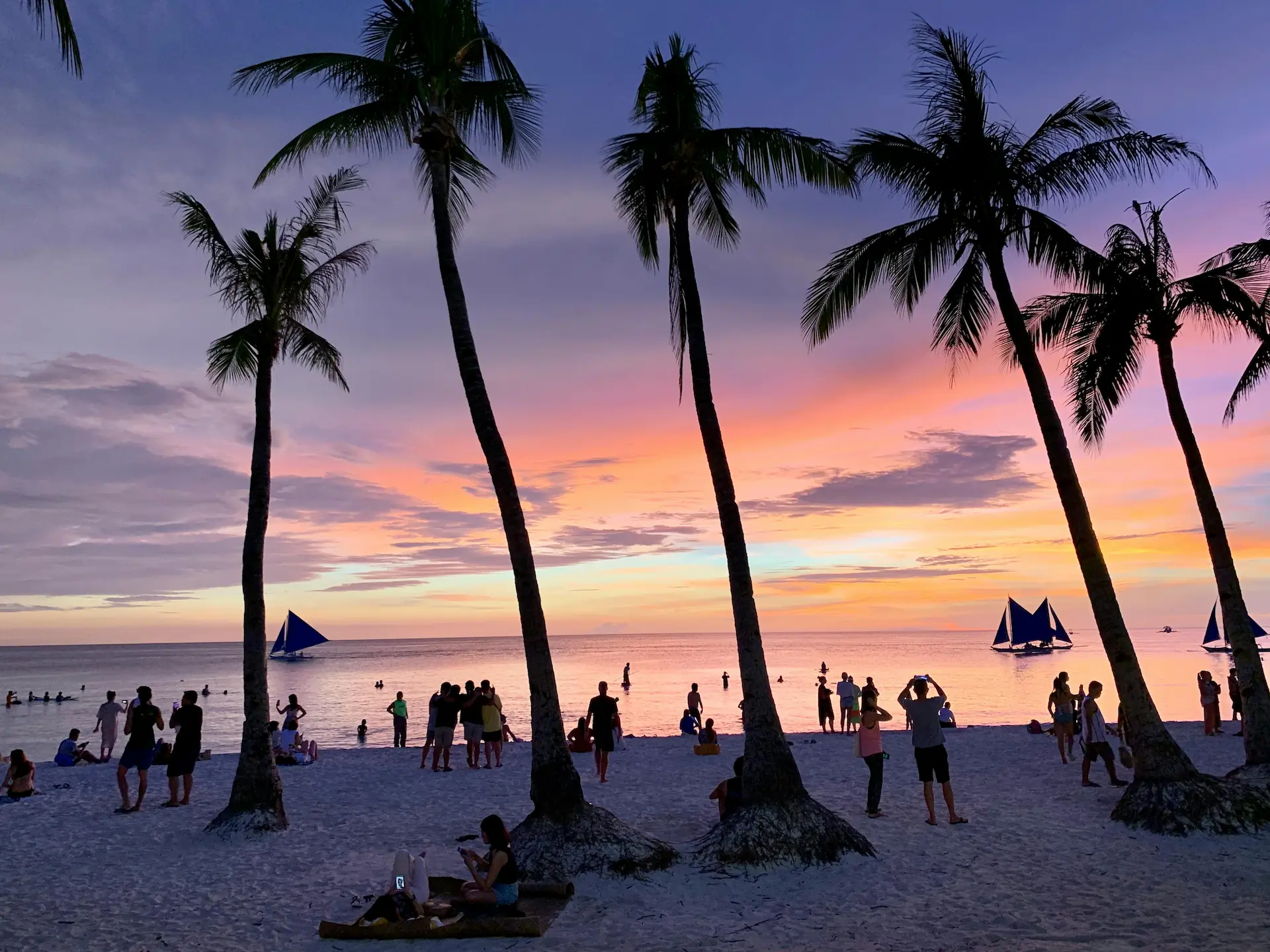
One of the most memorable experiences I’ve had here is sunset sailing on a traditional Paraw. There’s no engine—just the wind. The boat glides quietly as the sky shifts through shades of gold and orange. It captures something essential about the island.
While Boracay offers everything from parasailing to paddleboarding, I usually give a small reality check regarding Island Hopping. While enjoyable, the landscapes are less dramatic than Palawan. Here, island hopping is an option, not the main event.
5. The “Gulay” Reality Check
The best time to visit is the dry season (November to May). However, between February and May, parts of White Beach can experience seasonal algae buildup. The water near the shore may appear green. It’s natural and temporary, but it’s a detail often overlooked by first-timers.
6. The Culinary Strip: Where the Beach is the Dining Room
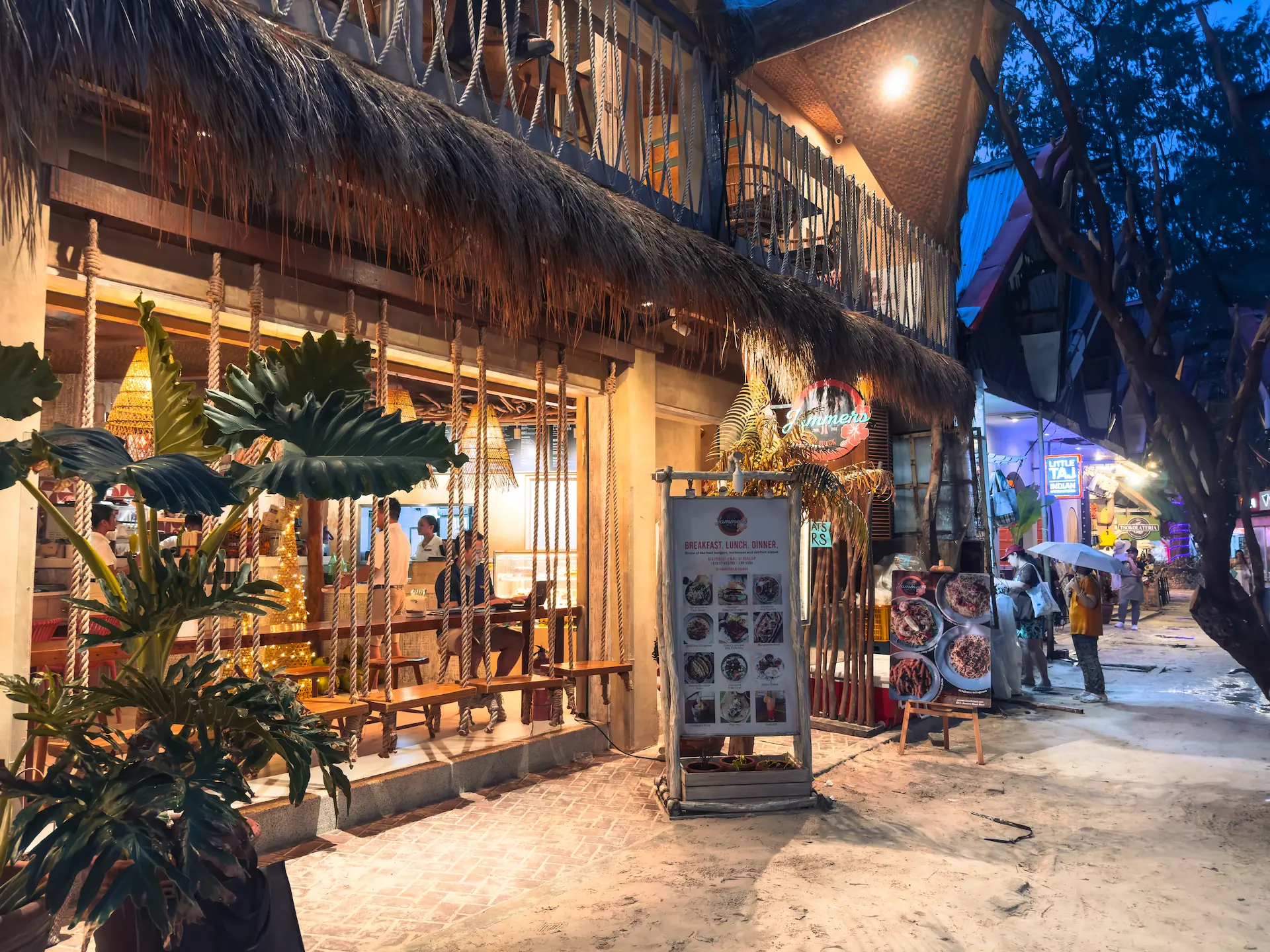
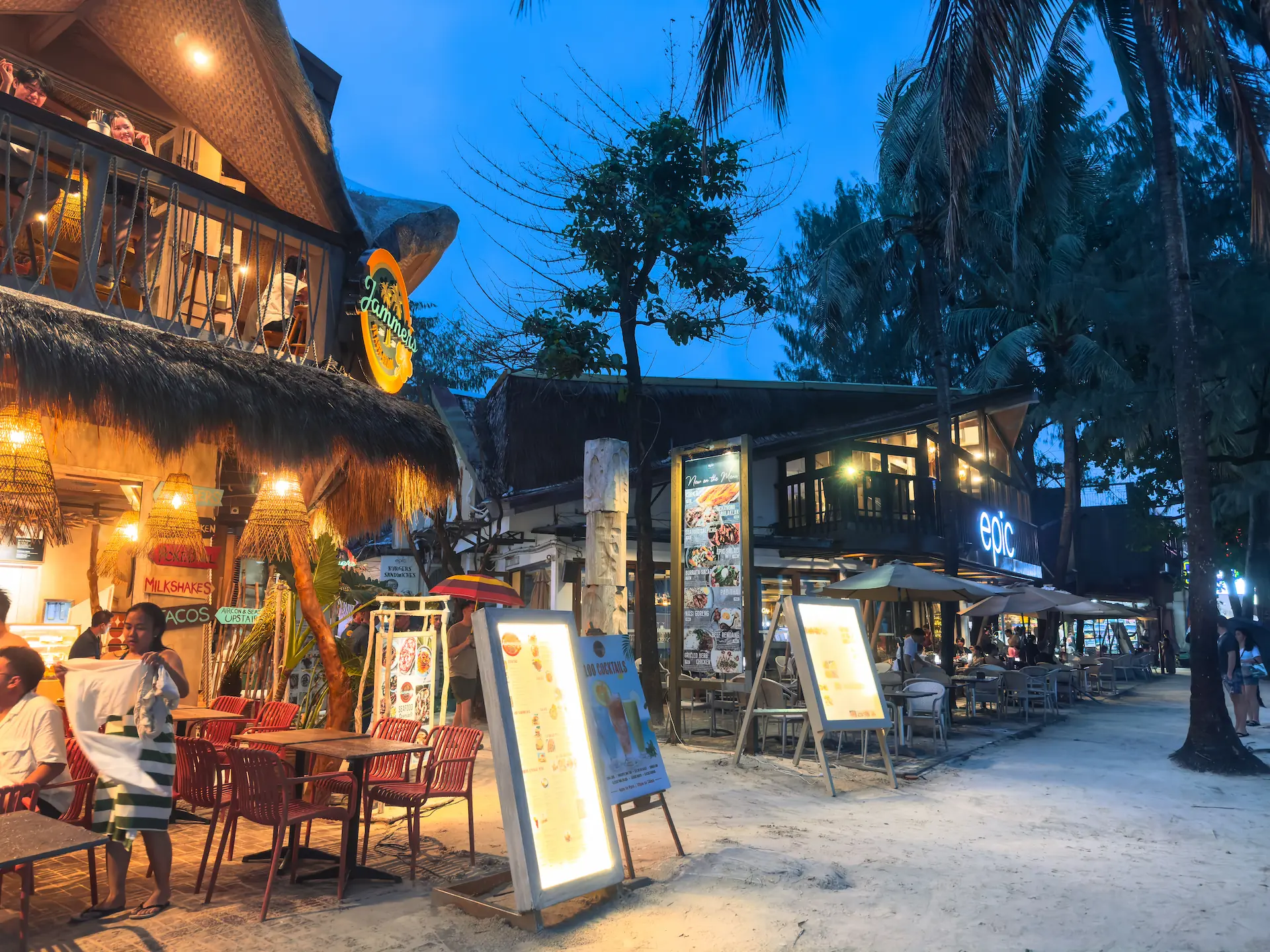
Boracay likely has the highest concentration of world-class restaurants of any destination in the Philippines—and they are all accessible without a single motorized transfer. You can walk from a Greek taverna to a Spanish tapas bar, then to a Filipino grill, all while keeping the sand between your toes.
The D’Mall Experience
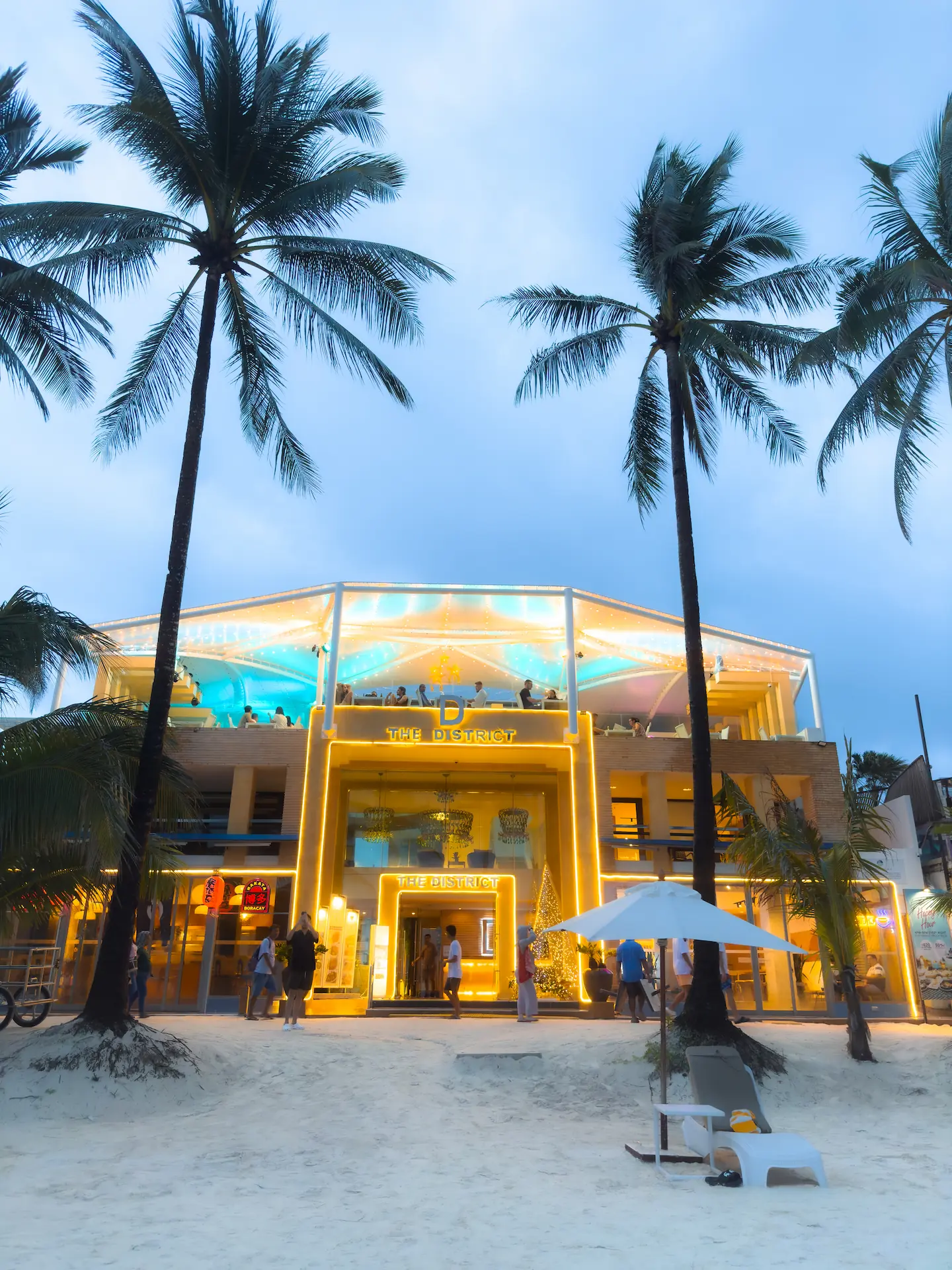
At the center of Station 2 is D’Mall (a local play on “The Mall”). It isn’t a traditional enclosed building; it’s a vibrant, open-air labyrinth of boutique shops, market stalls, and global eateries.
- The Vibe: It feels like a tropical village crossroads. You’ll find everything from high-end swimwear to “Budget Mart,” the island’s unofficial meeting point.
- The Food Variety: D’Mall is a culinary “Greatest Hits” album. You can have Cyma’s famous flaming cheese for lunch, a Halomango soft-serve for a snack, and Aria’s wood-fired pizza for dinner—all within a 5-minute walk.
Don’t-Miss Island Bites (2026 Edition)
| Place | Specialty | Why it’s a Staple |
| Cyma (D’Mall) | Flaming Cheese (Saganaki) | The “Opa!” energy is the heartbeat of Station 2. |
| BarLO (Station 1) | Oyster Sisig | A legendary dish that defines the Boracay food scene. |
| The Sunny Side Café | Ube Pancakes | The gold standard for beachfront brunch. |
| Coco Mama (D’Mall) | Coconut Ice Cream | Vegan, served in a shell, and essential for the heat. |
7. Shopping: From Sarongs to Souvenirs
Shopping in Boracay is more of an “experience” than a chore.
- Beachfront Vendors: Ideal for quick buys like polarized sunglasses and those iconic Boracay oversized hats.
- D’Mall Boutiques: Head here for higher-quality local brands and unique beachwear.
- D’Talipapa: If you’re looking for bulk souvenirs (magnets, shirts, dried mangoes), this local market area offers better bargaining rates.
8. The 48-Hour Boracay “Cravings” Itinerary
- Day 1 Morning: Brunch at Sunny Side Café. Order the Bacon & Mango Grilled Cheese.
- Day 1 Afternoon: Browse D’Mall. Grab a Mango Soft Serve at Halomango.
- Day 1 Sunset: Grab a Chori-burger from a beach stall—it’s the island’s signature street food.
- Day 1 Dinner: BarLO for the Four-Cheese Pizza and Oyster Sisig.
- Day 2 Morning: A light start at Coco Mama (D’Mall).
- Day 2 Lunch: Dos Mestizos (Station 3) for authentic Spanish Paella.
- Day 2 Afternoon: Explore Puka Beach via E-trike for a quieter swim.
- Day 2 Dinner: Aria (Station 2) for wood-fired pizza during the beachfront fire dance show.
Final Thoughts: The Convenience Factor
There is a reason people keep coming back to Boracay despite the rising popularity of newer destinations. The island exists in a beautiful paradox: it is the most developed island in the Philippines, yet it feels the most effortless. In 2026, Boracay’s greatest strength isn’t just the sand—it’s the freedom of choice.
It’s the only place where you can wake up in a world-class suite, have a five-course Greek lunch, and end the night dancing on a beach that is cleaner today than it was twenty years ago. Whether you’re hiding away in the silence of Station 0 or getting lost in the neon labyrinth of D’Mall, Boracay doesn’t just meet expectations—it simply gives the moment to you.
Boracay Travel FAQ
Yes—especially for its accessibility, beach quality, and complete lifestyle experience.
Station 2 offers the most convenience, while Station 1 and 3 provide quieter alternatives. Station 0 is best for luxury and privacy.
3–5 days is ideal.
Expect to pay an Environmental Fee (₱300) and a Terminal Fee (₱150) at the port. Using the digital iPass can help you skip the manual lines.
Beyond the White Beach: If you crave a bit more adventure after the ease of Boracay, explore my guides to the limestone lagoons of Coron, the hidden beaches of El Nido, or the serene rice terraces of the North.